Style
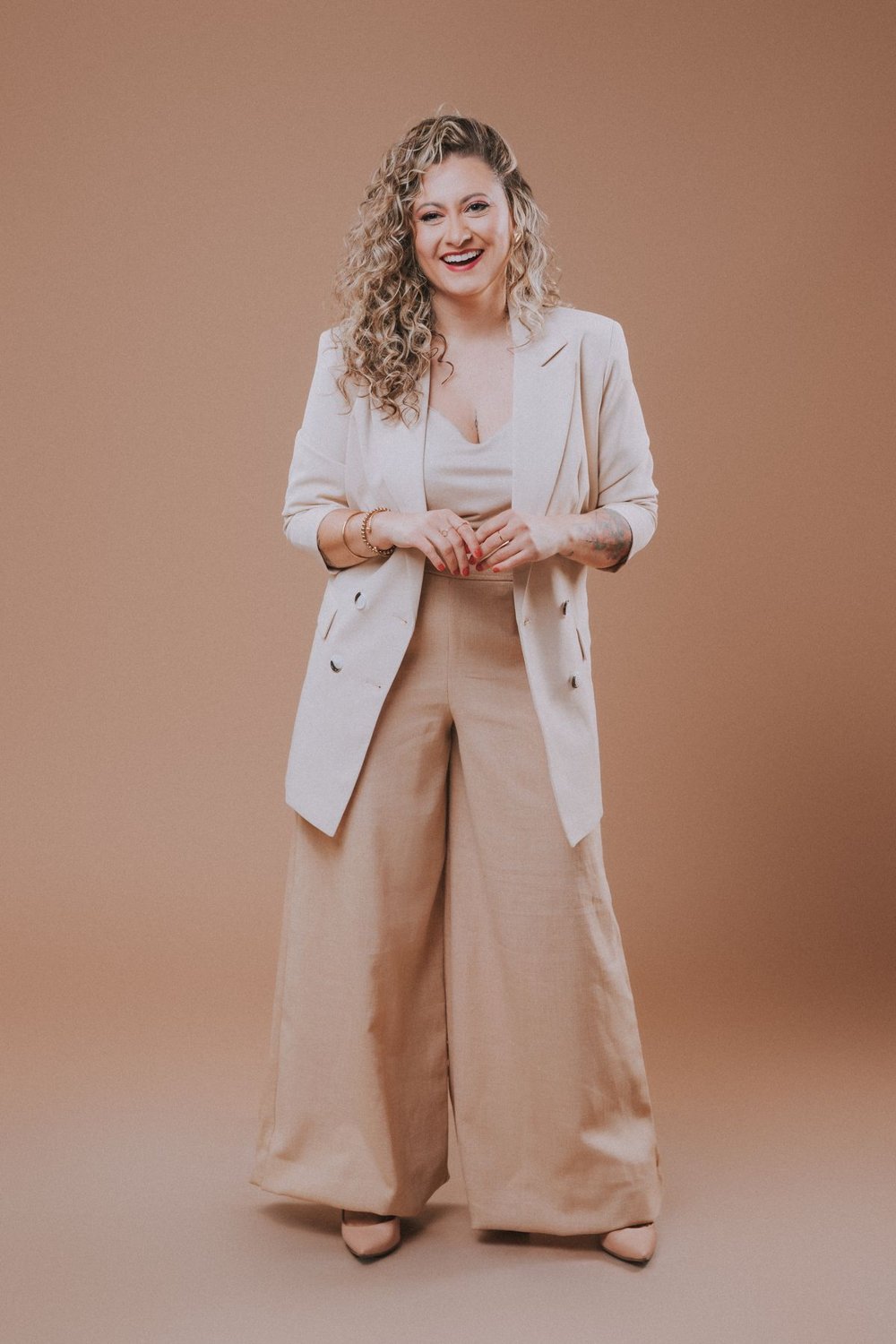
Finding a jacket length for wide-leg trousers
A jacket changes where the eye reads the waist and how much of a wide trouser leg remains visible. Start with the pair you actually wear.
The subjects
Outfit ideas start with the clothes, the occasion and the way you want to feel in them. Explore shape, colour and combinations.
Style
A jacket changes where the eye reads the waist and how much of a wide trouser leg remains visible. Start with the pair you actually wear.
Style
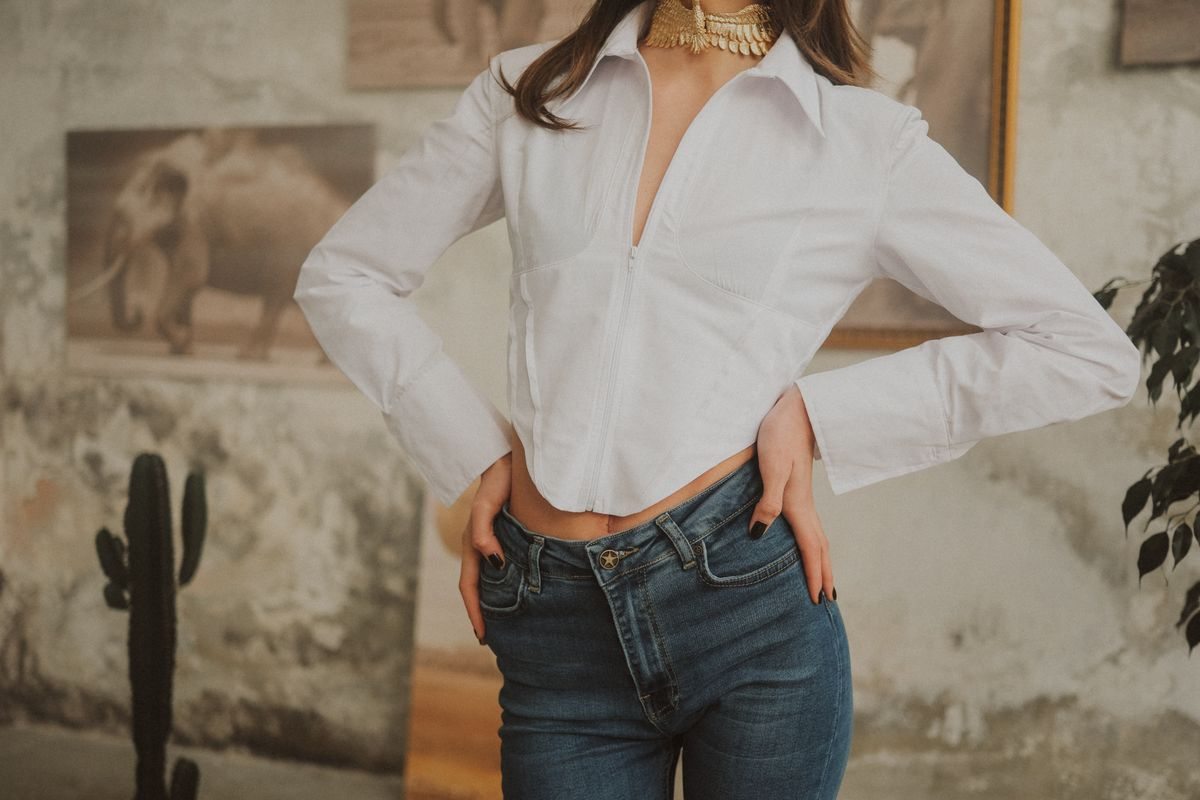
A familiar shirt can change character with its sleeves, hem and the clothes beside it.
Style
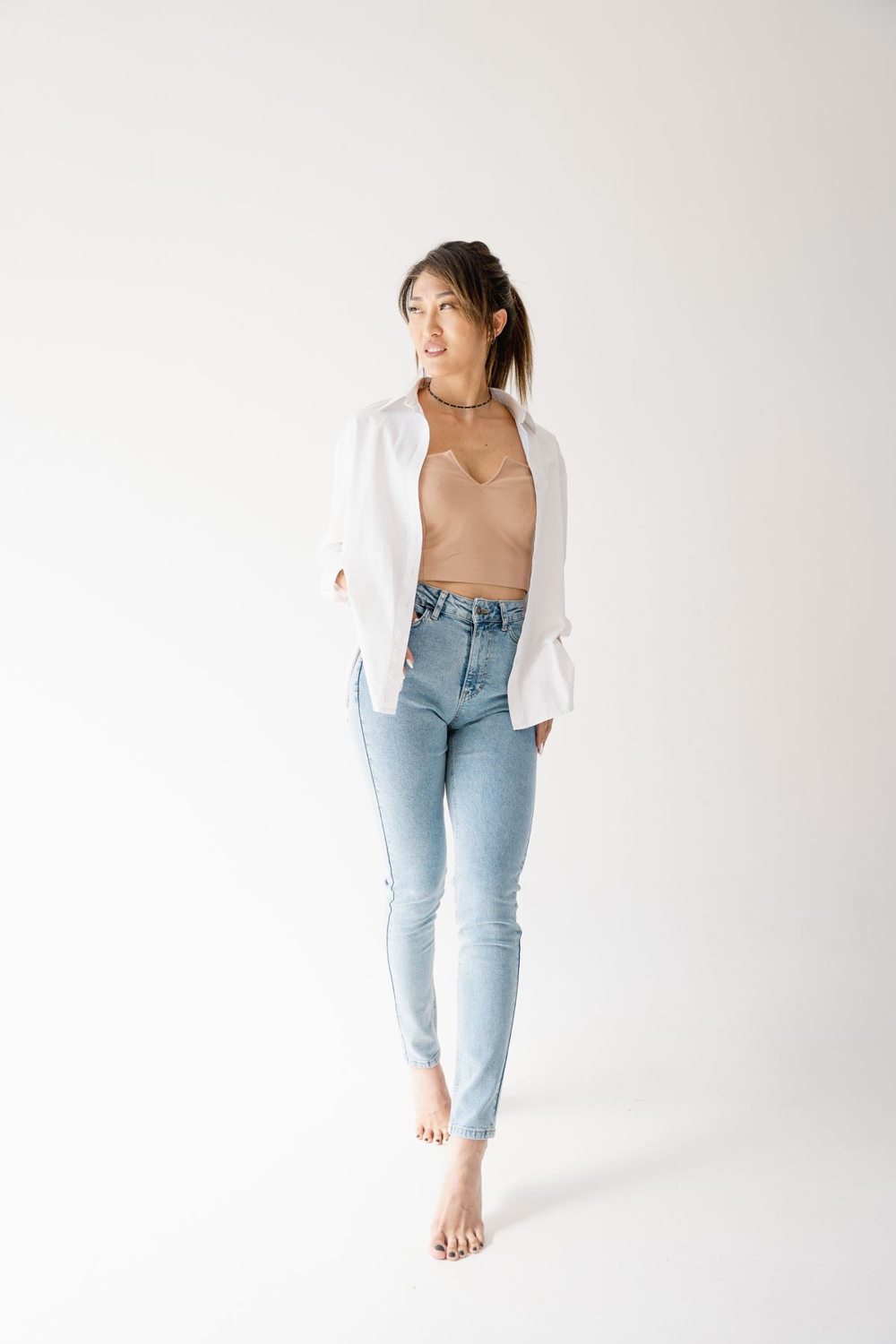
The wash of the denim, the top and the shoe all change the balance of a straight-leg outfit.
Style
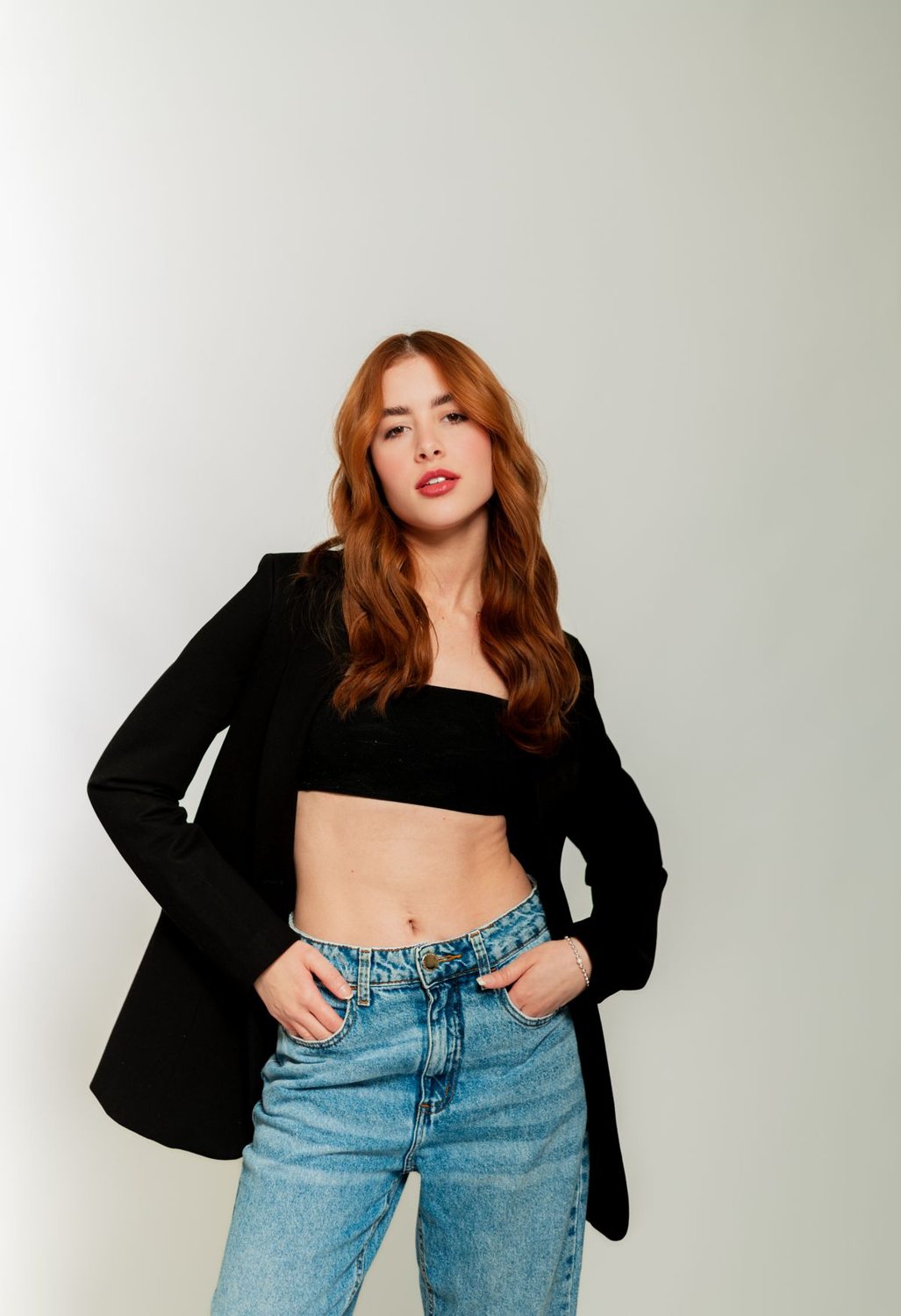
A jacket and denim can share an outfit without either one looking as though it arrived by accident.
Style
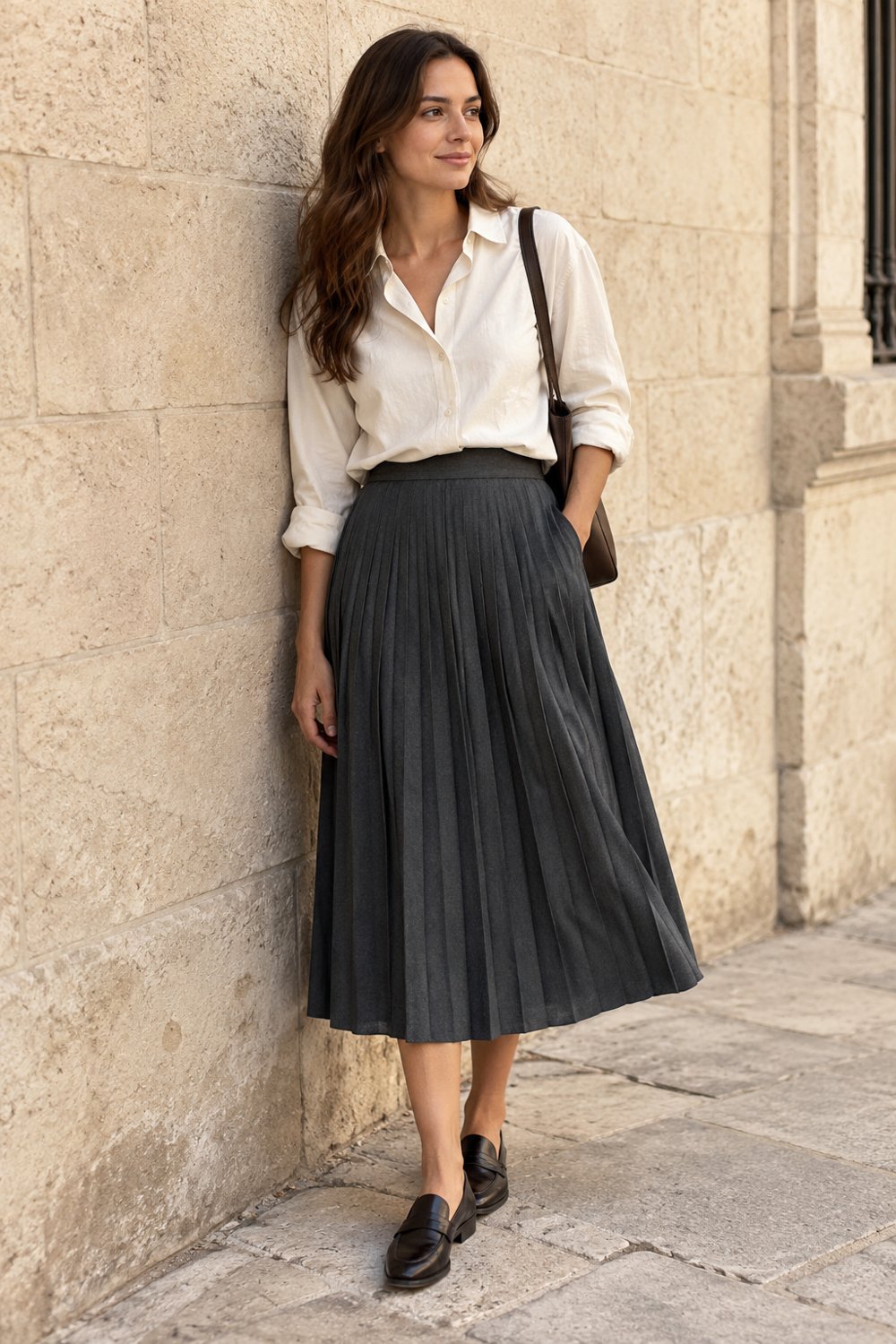
Hem length is only one part of a midi-skirt outfit. The waist, volume and shoe matter too.
Style
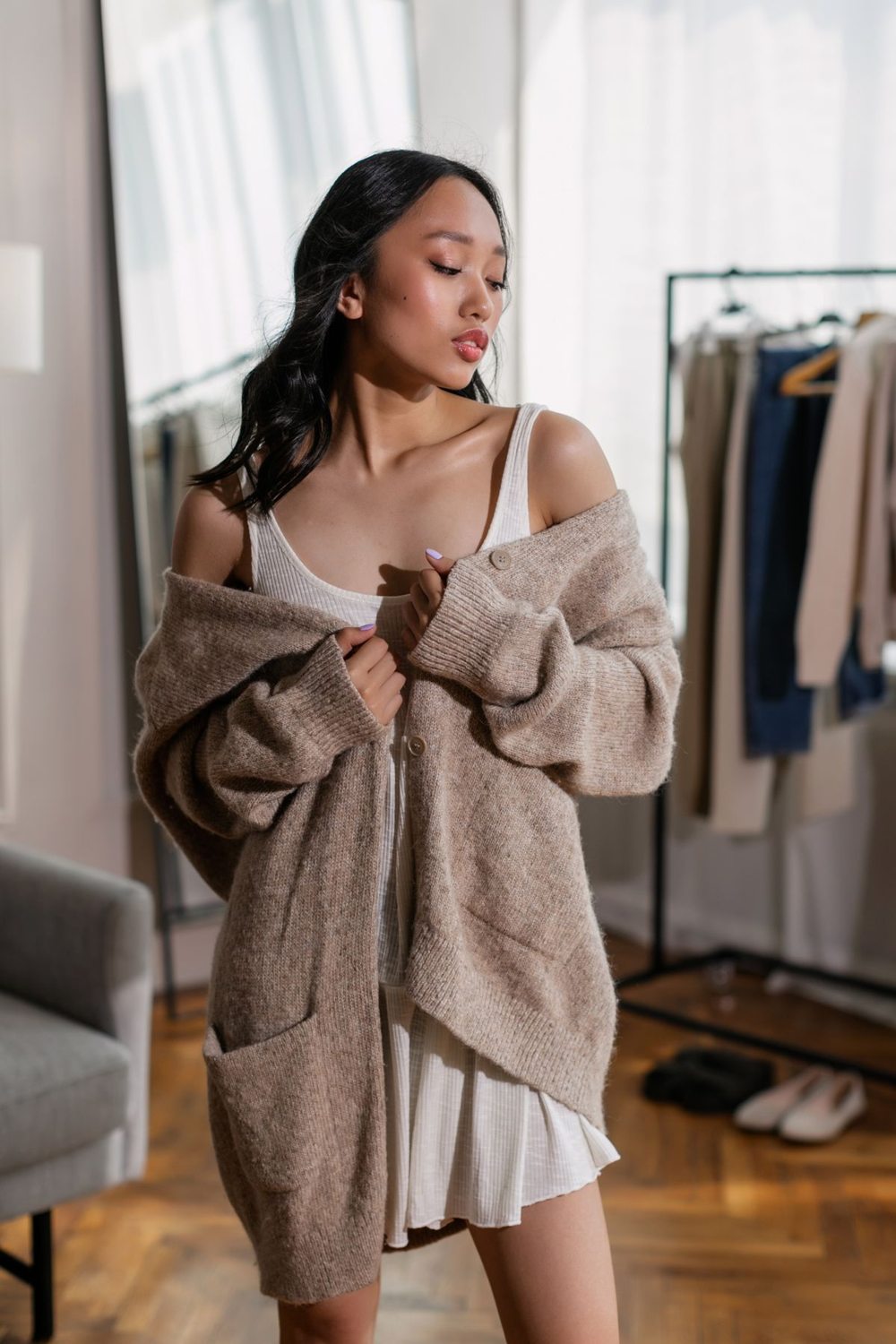
A knit can turn a dress into a different outfit, provided the layers can move together.

Style
Use the work itself, the room and a little observation to make sense of an unclear dress code.

Style
Prepare the clothes and the small details before a first day, then leave space to learn the workplace.
Style
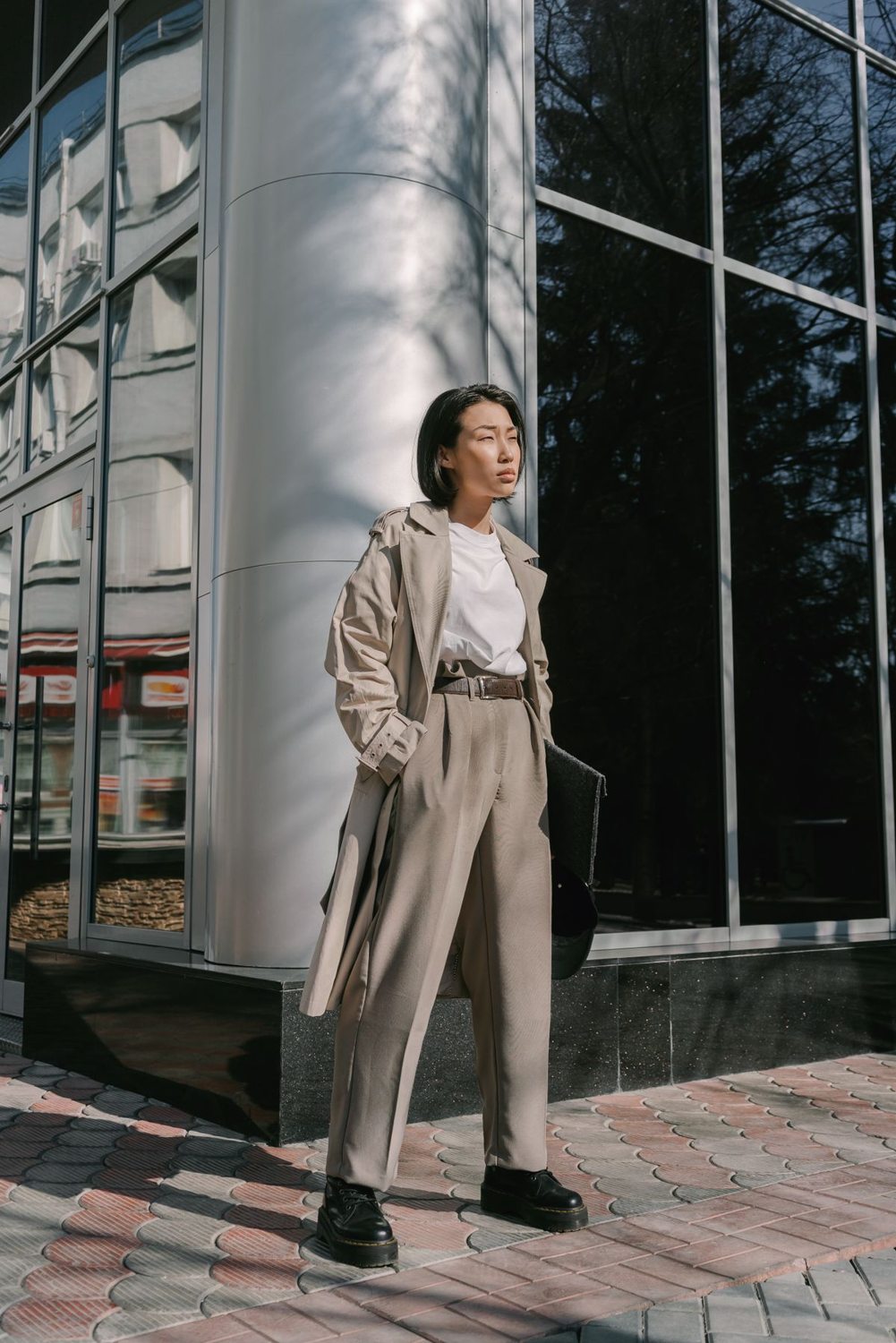
Plan for the walk, the train and the room at the end rather than one temperature.

Style
A daytime outfit can go to dinner with a change of emphasis rather than a bag full of replacements.

Style
Walking clothes for town need to work at pavement level before the rest of the outfit matters.
Style
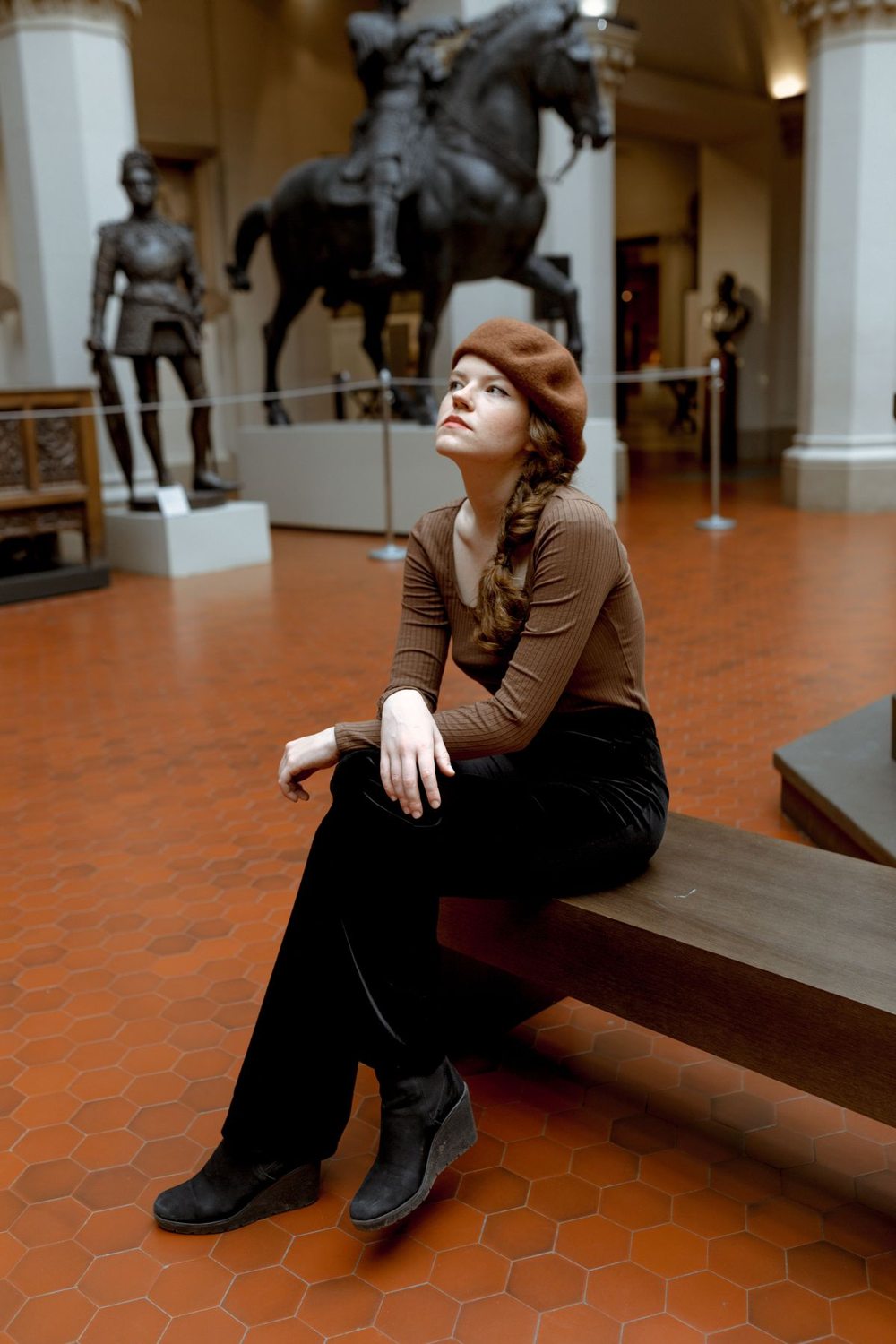
Dress for standing, walking and stopping to look, with layers that are easy to carry.
Style
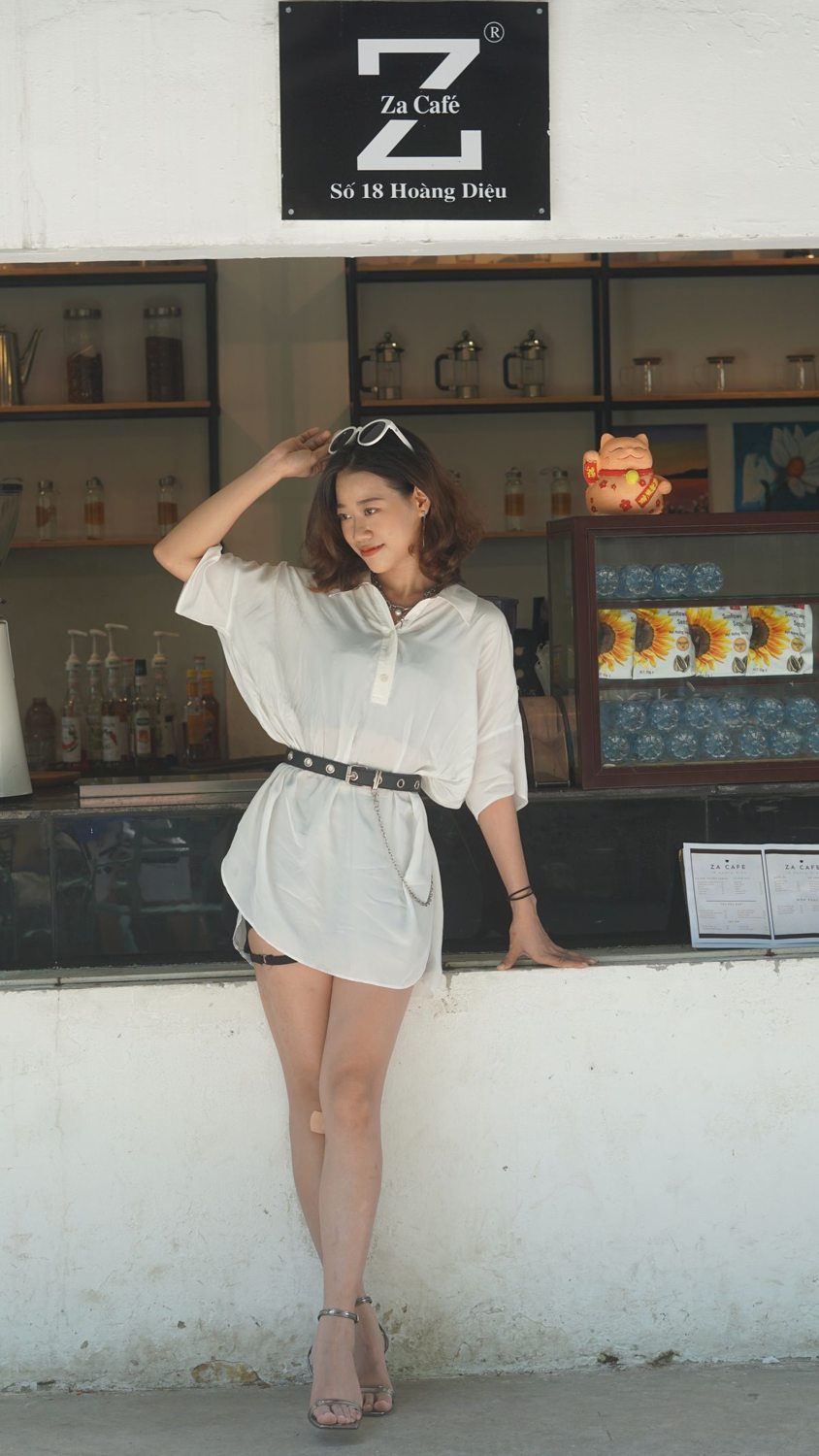
A weekend lunch outfit can feel considered without borrowing the formality of the working week.
Style
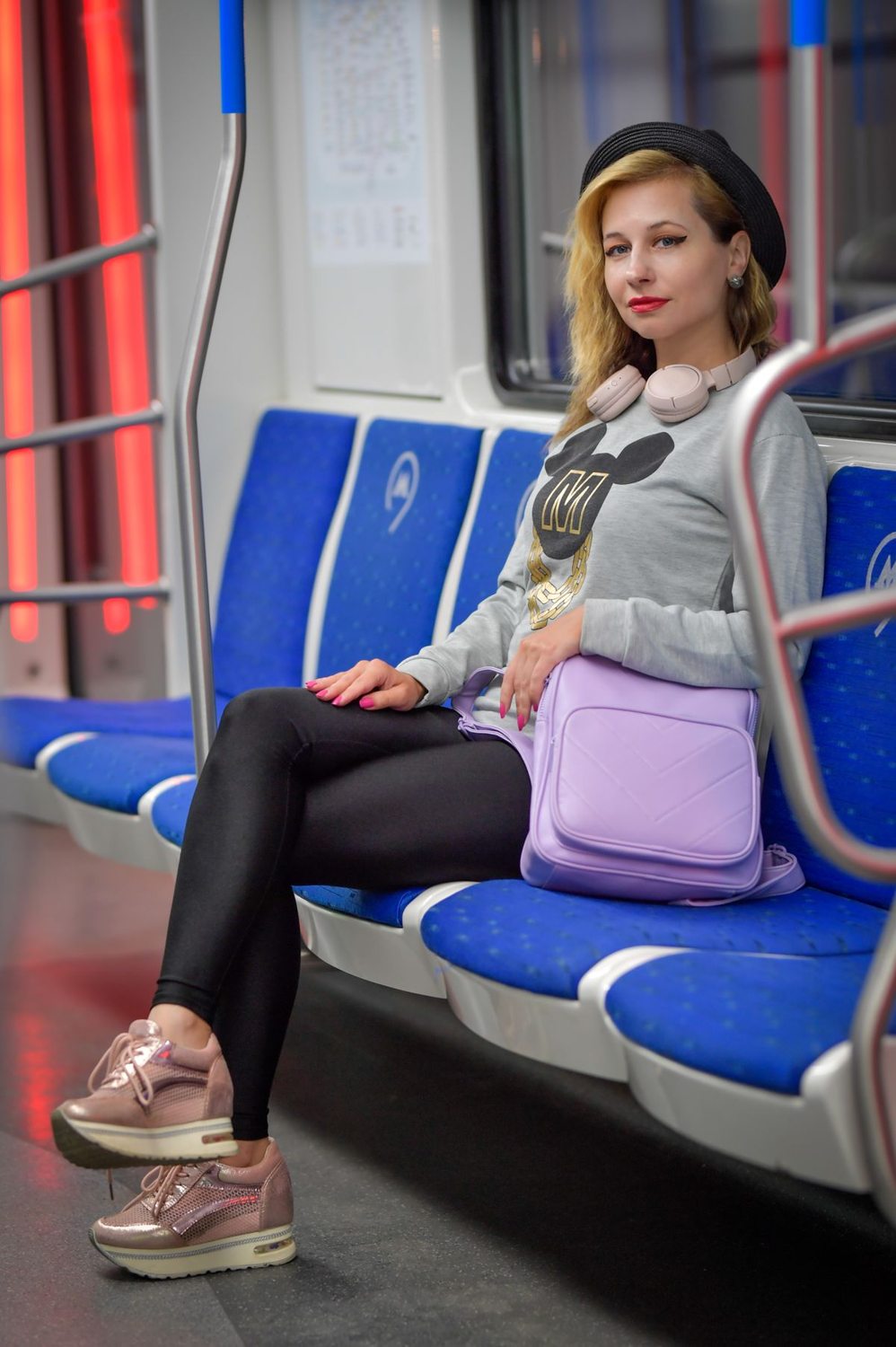
Long train journeys are easier when your clothes work seated as well as standing.
Style
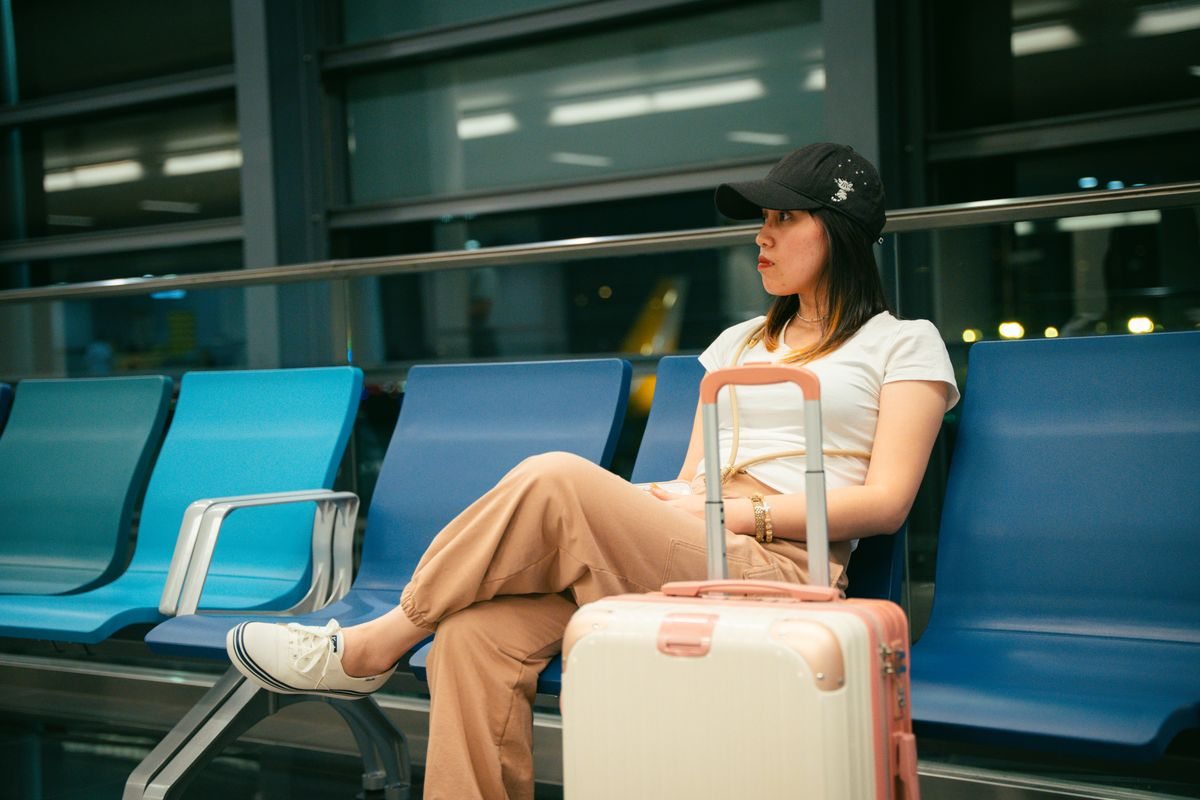
When the weather changes between departure and arrival, make the layers easy to separate.
Style
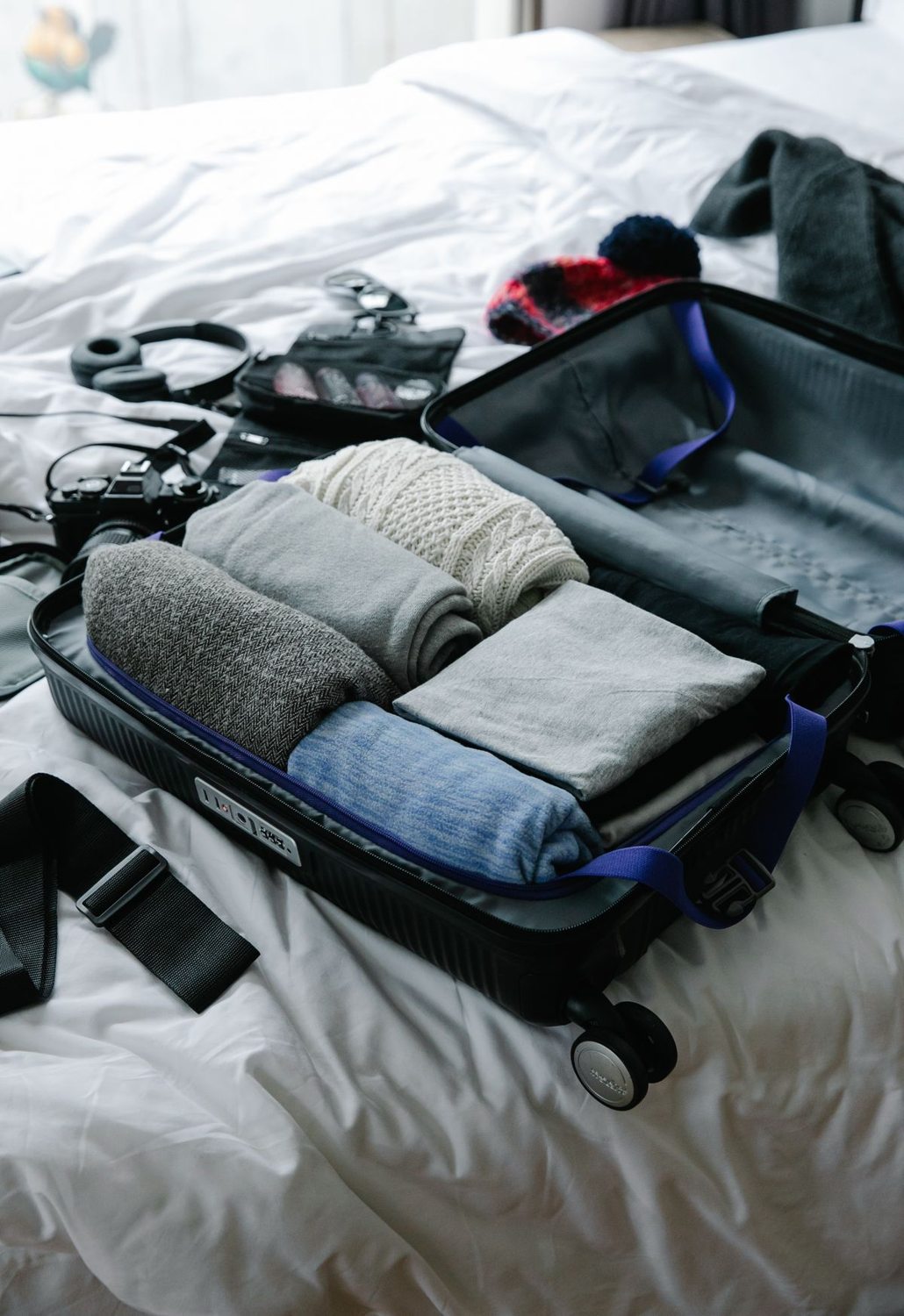
A short trip becomes easier to pack when the clothes form actual outfits before they enter the case.
Style
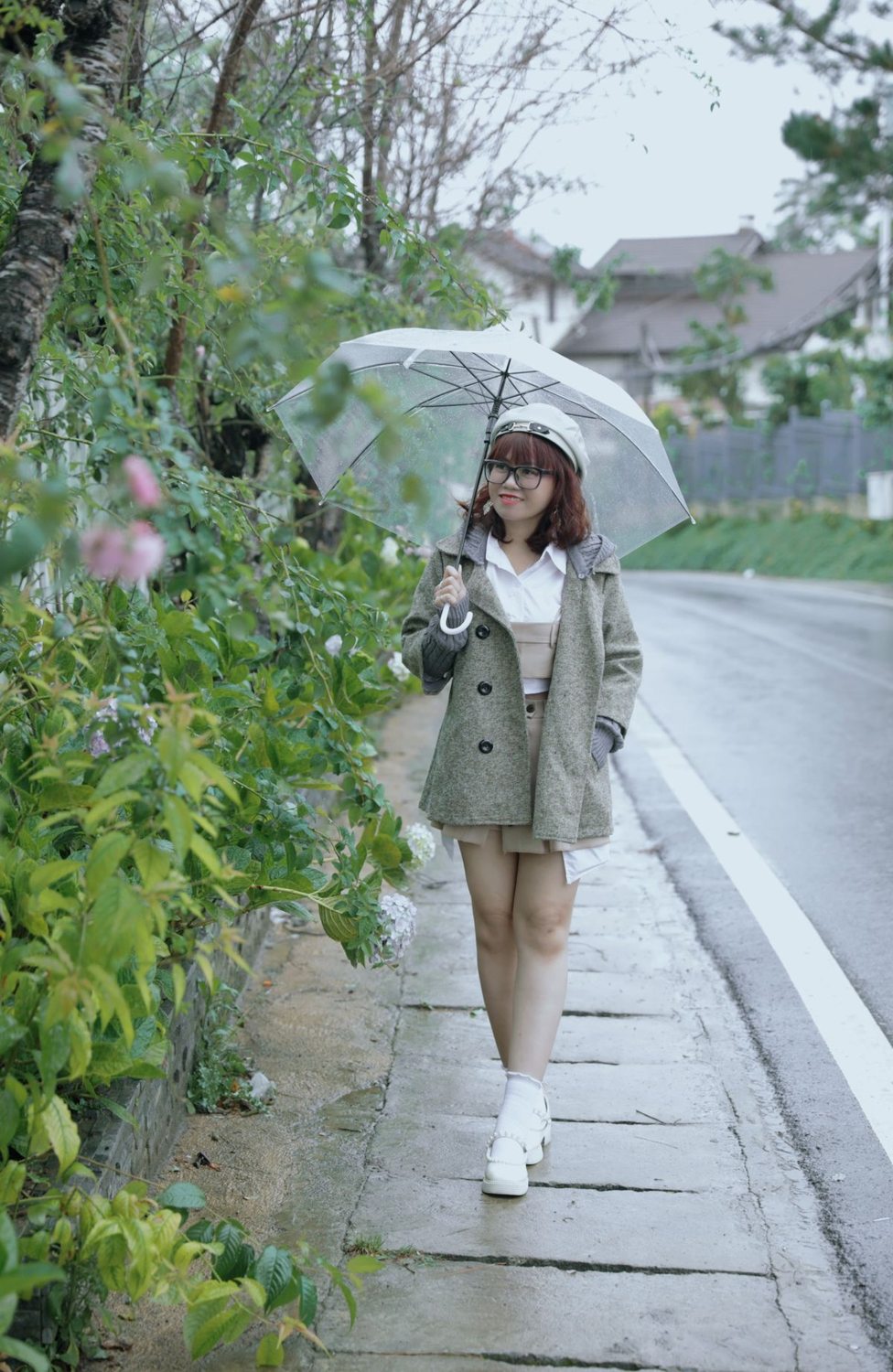
In wet weather, the lowest part of the outfit often deserves the first decision.
Style
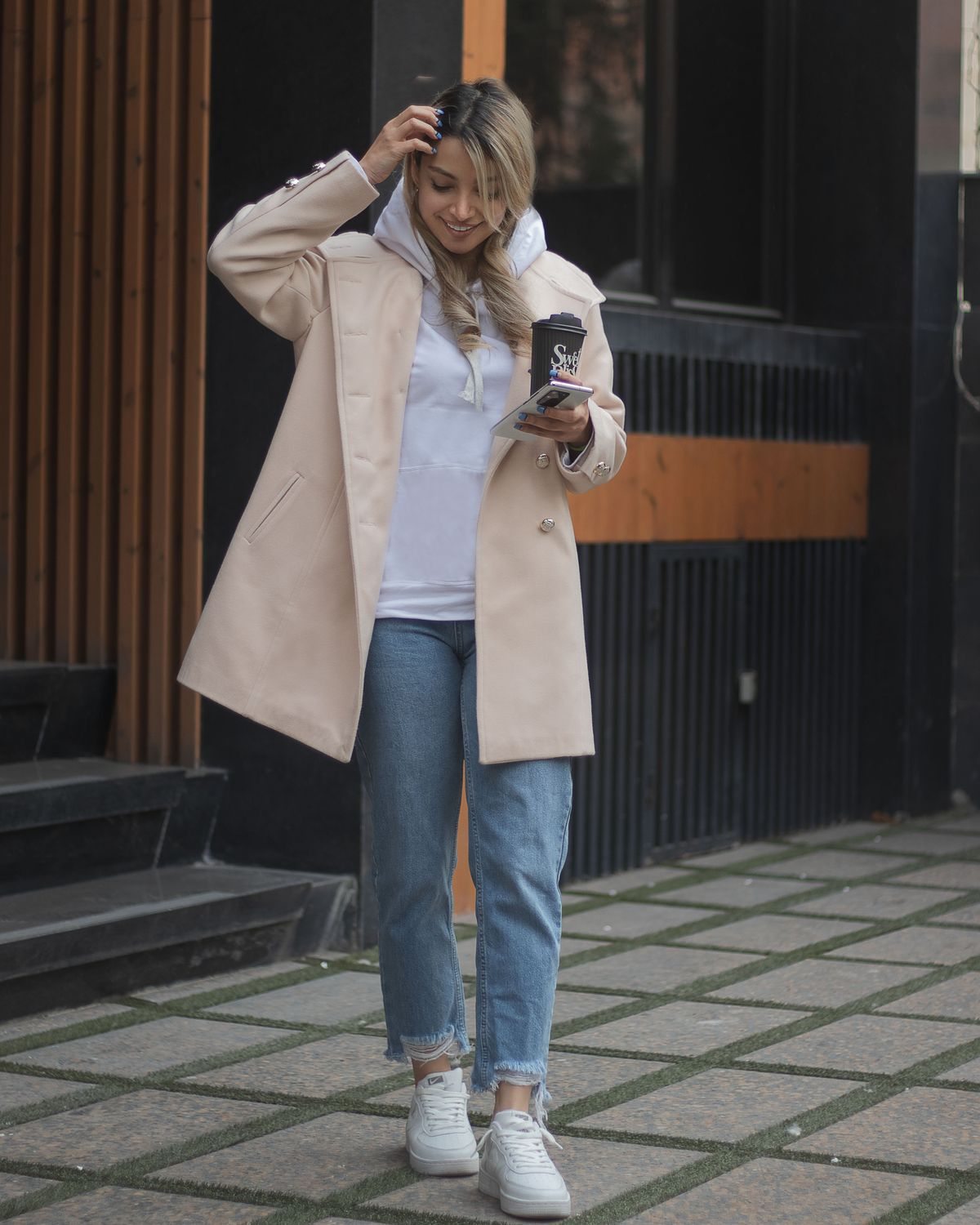
Changeable weather calls for a few useful adjustments, not every season in one outfit.

Style
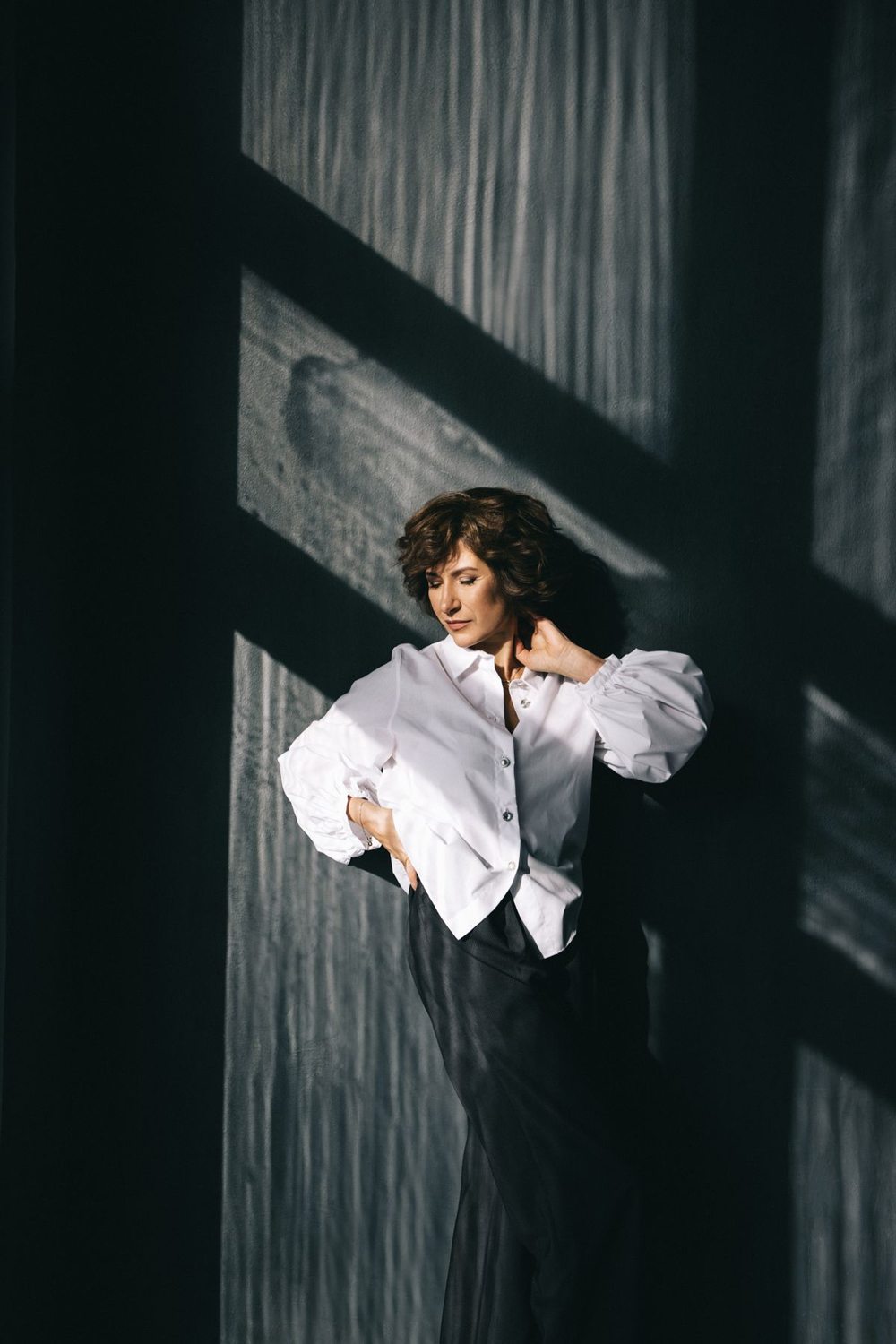
A warm afternoon can still need a layer once the light changes. Choose one that belongs with the daytime clothes.
Style
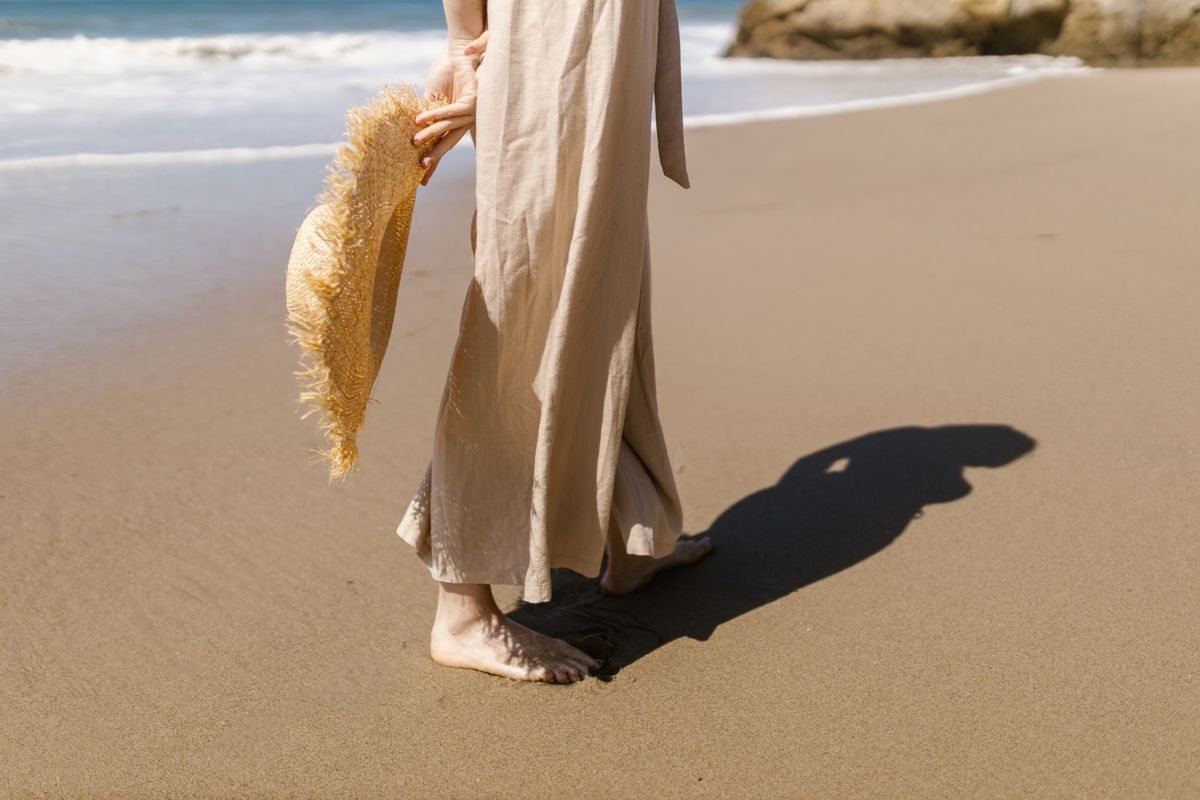
Treat the coat as one version of the outfit, then make sure the indoor version has its own balance.
Style
Linen trousers can work for errands, lunch or an informal workplace when the rest of the outfit gives them a clear setting.
Style
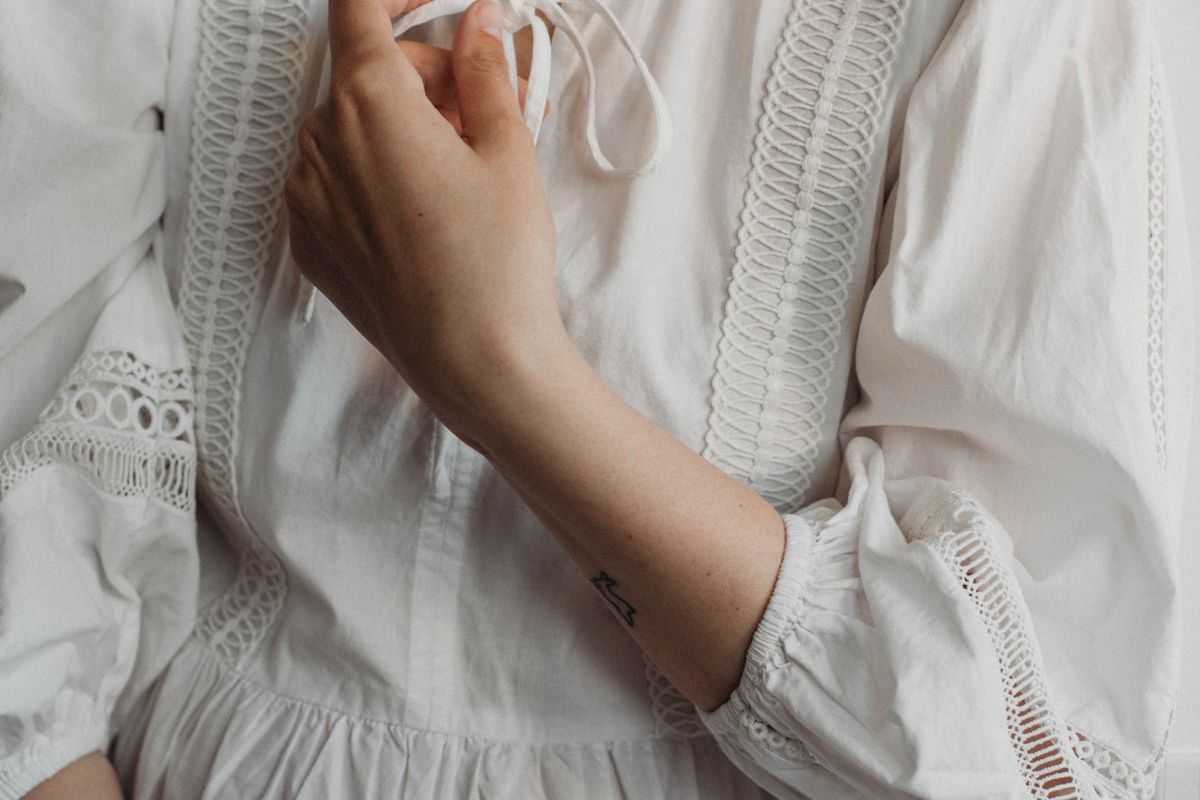
A cotton dress can be an ordinary-day outfit when its fit, layers and care suit the way you live.

Style
The shape and weight of a denim skirt matter more than the idea that denim automatically means casual.
Style
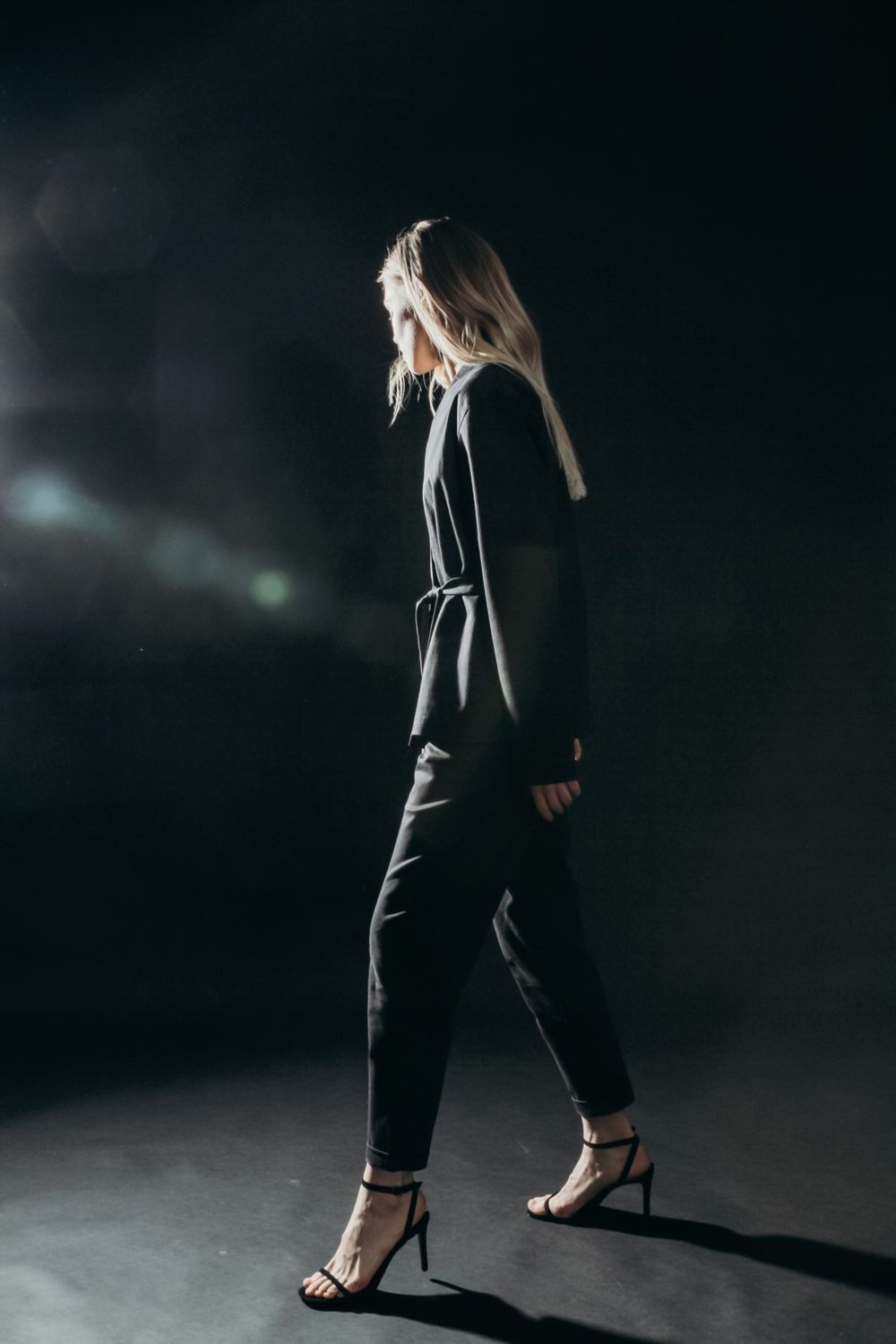
Keep the trousers in place and change the fabric, neckline or shoe to see how much the outfit can move.
Style
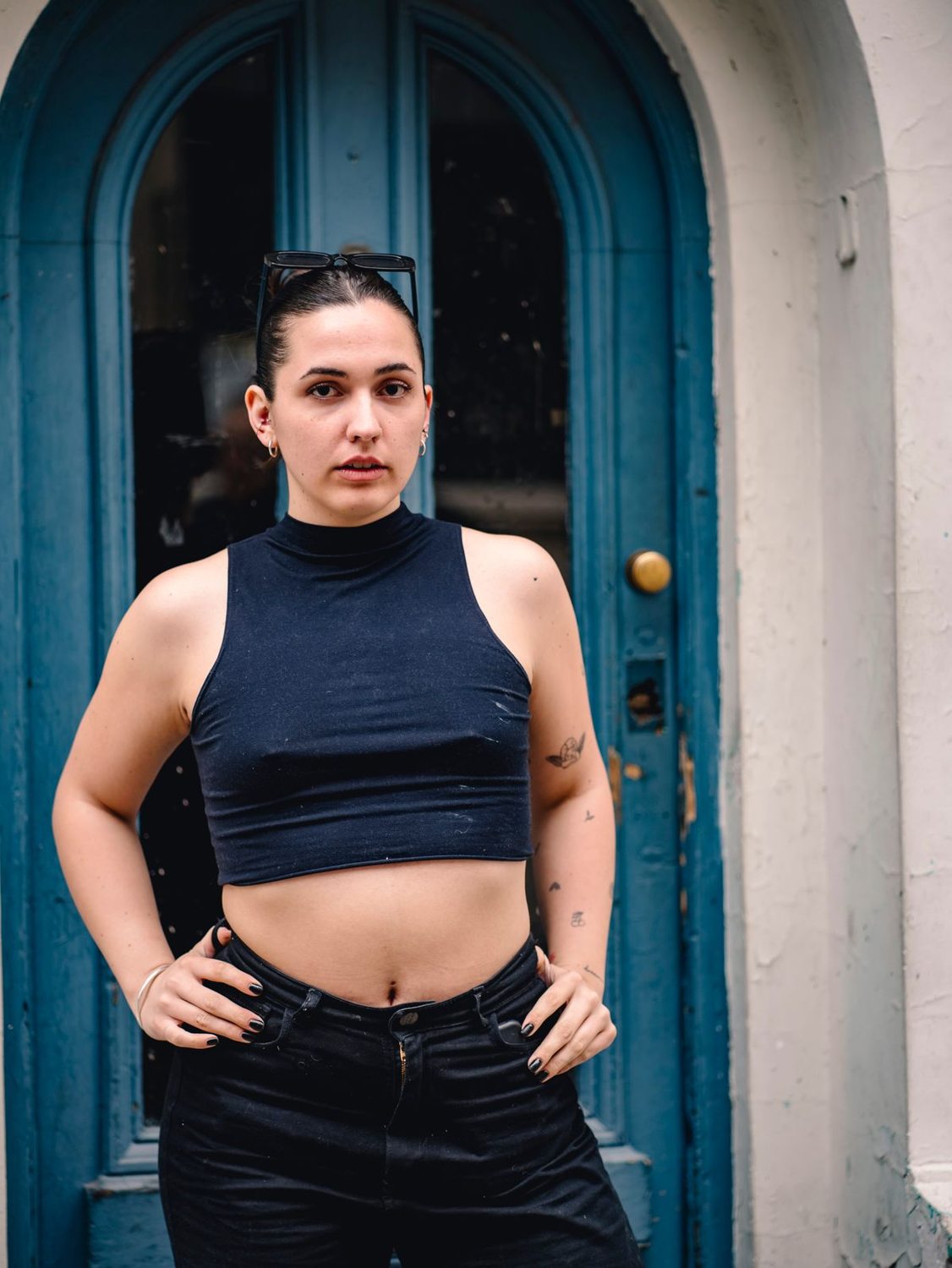
Navy and black can sit together when their difference looks deliberate in the light where you wear them.
Style
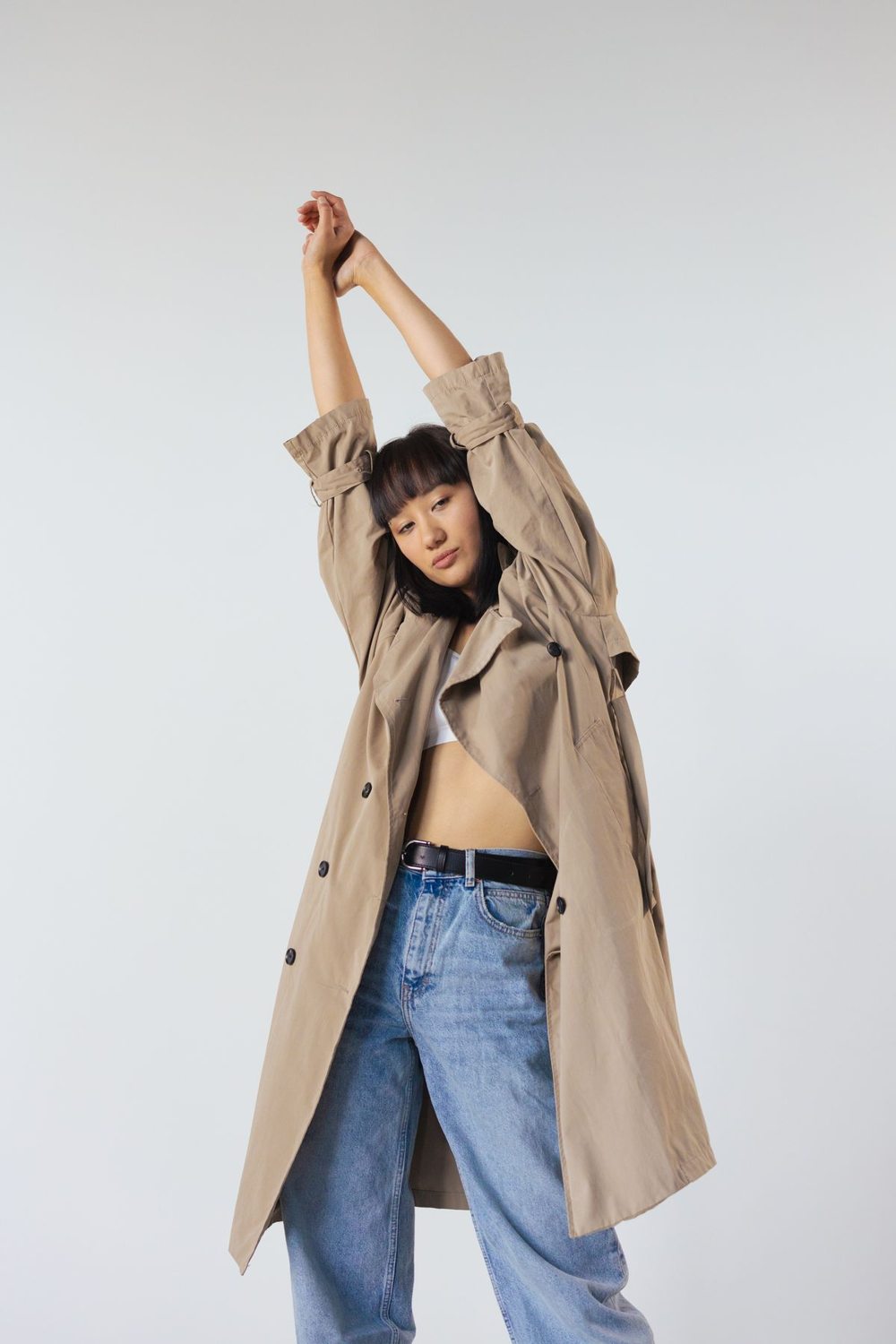
Brown and blue offer more combinations than a tan coat with jeans. The shade and texture set the mood.
Style
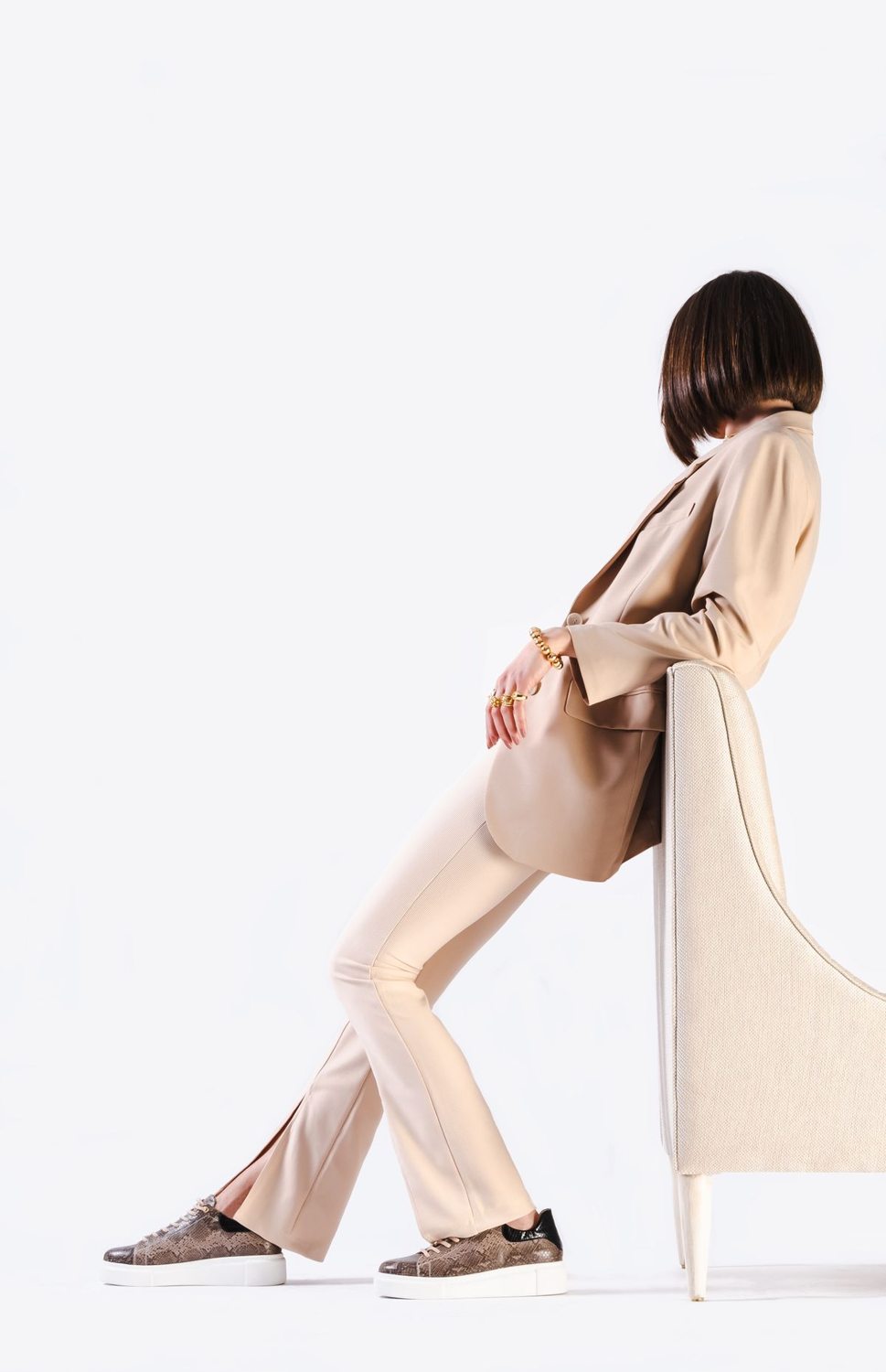
A tonal outfit can use related colours at different depths, with texture making the differences visible.
Style
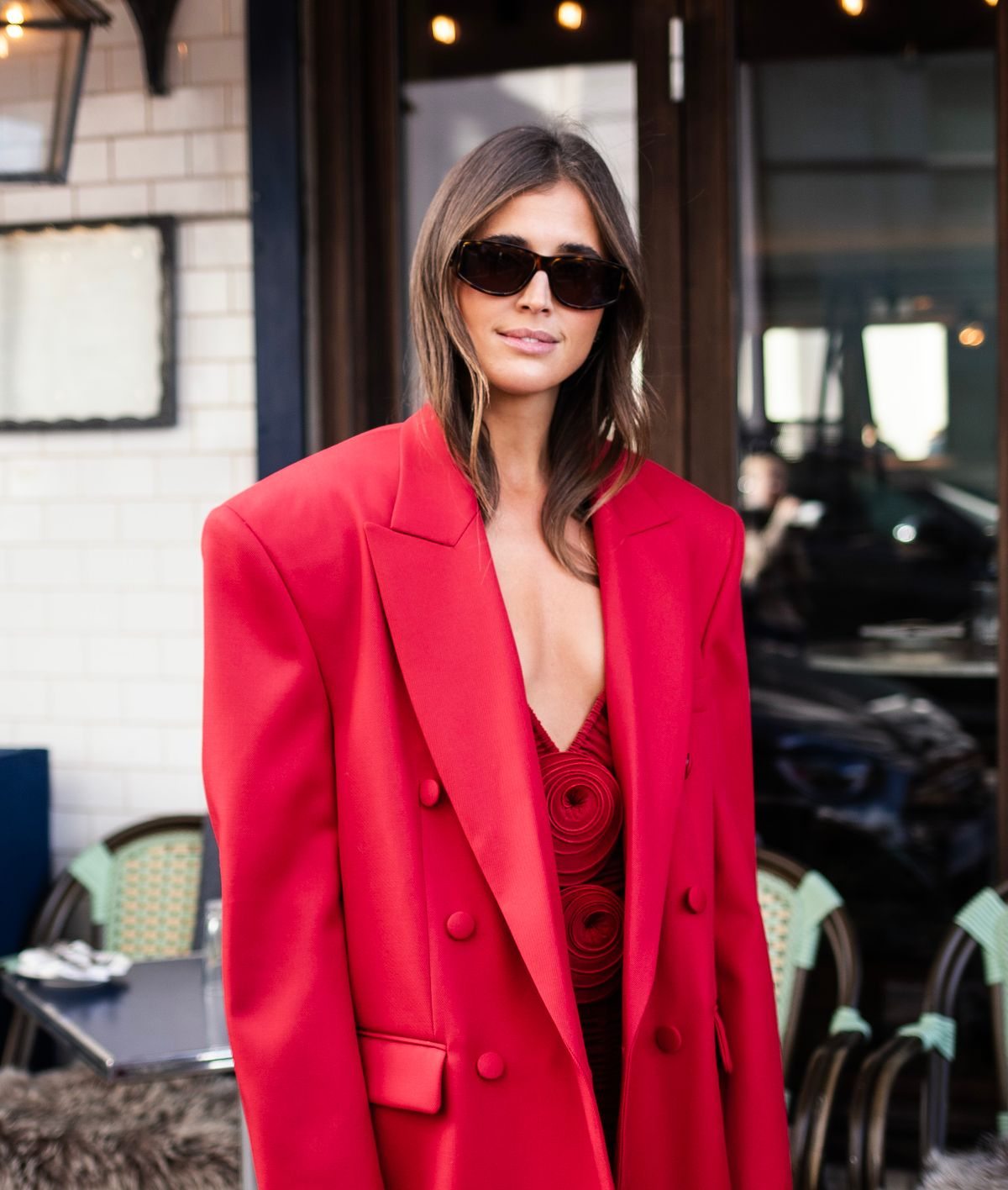
One bright garment can set the direction while the rest of the outfit gives it space.
Style
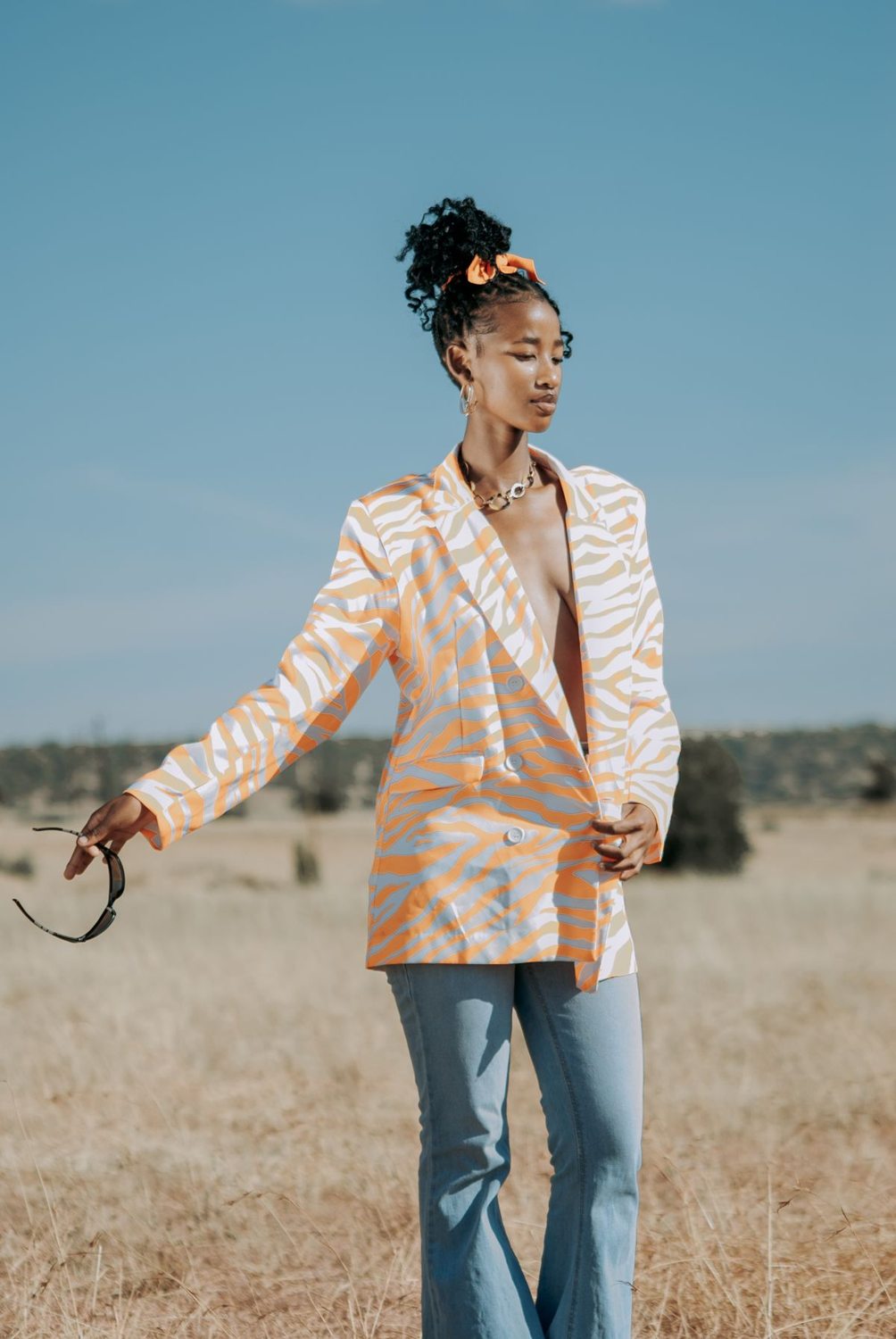
A print provides colour and rhythm before you add anything else. Use those details to make the next choice.
Style
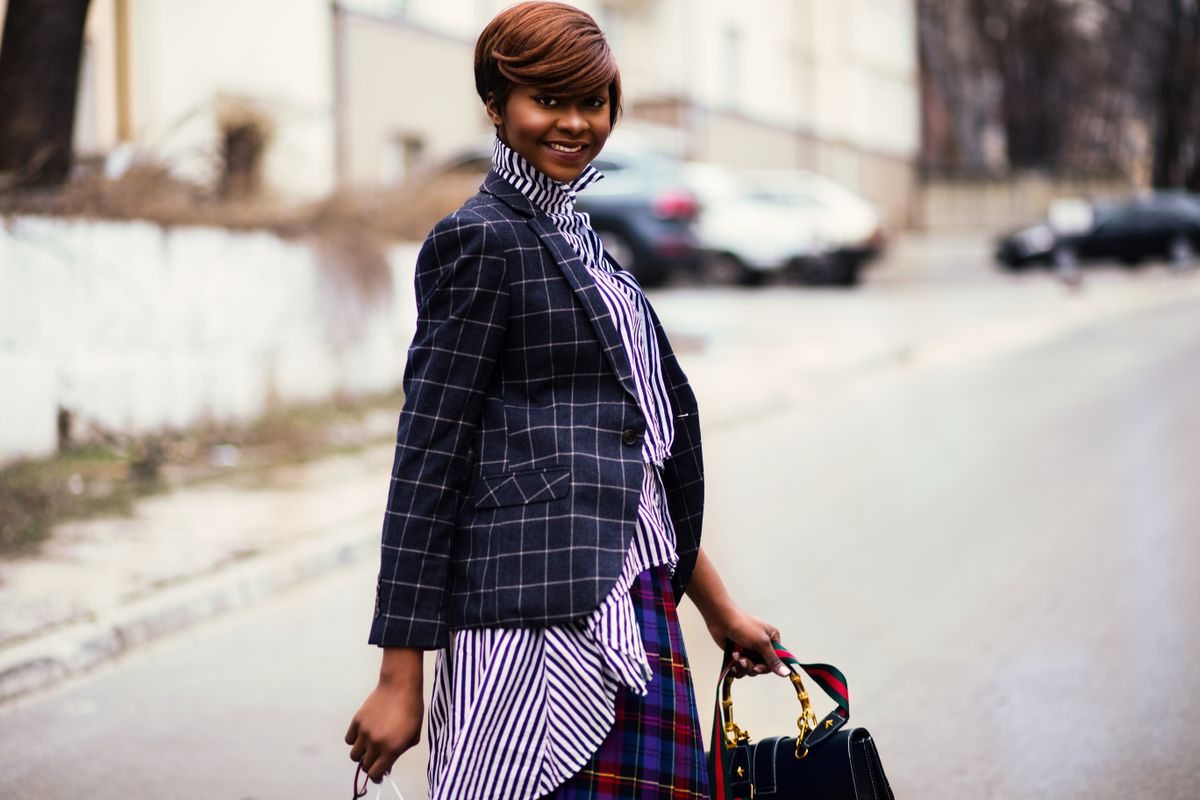
Two patterns are easier to judge when you change one variable at a time and leave some plain space.
Style
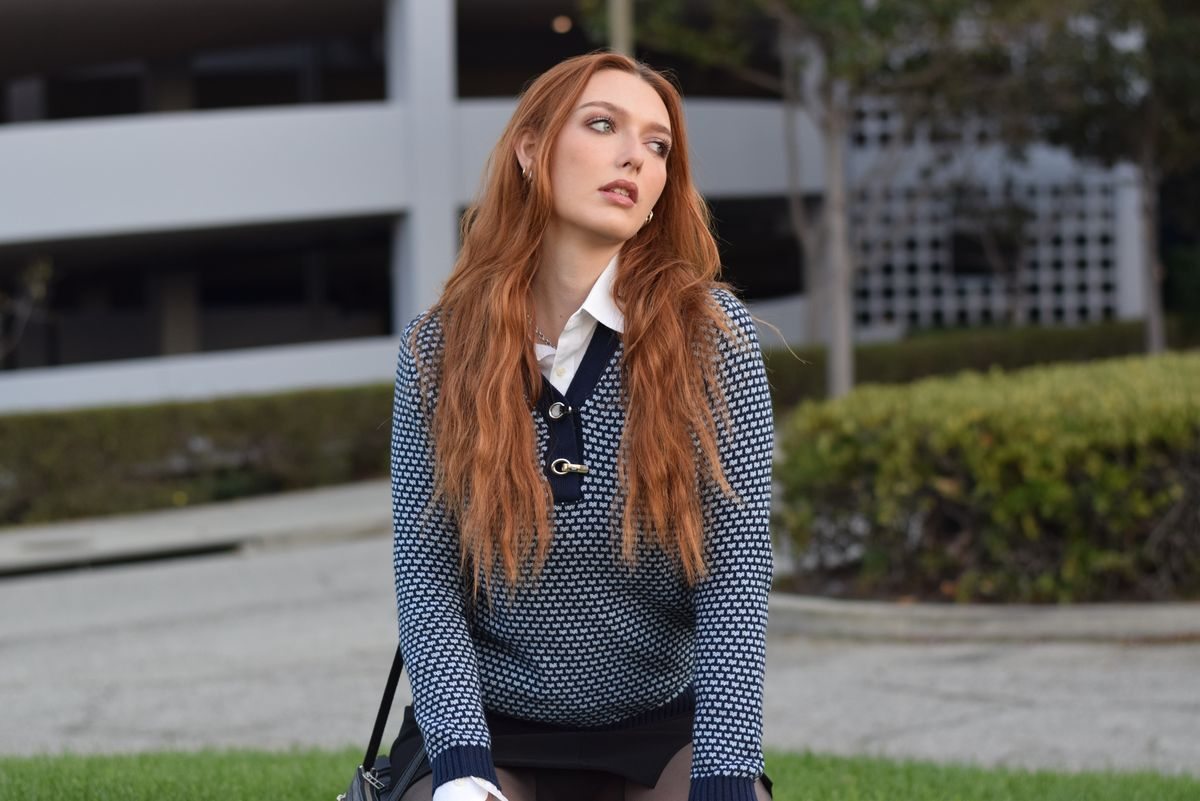
The collar is the visible part, but comfort under a knit begins at the shoulders, sleeves and hem.
Style
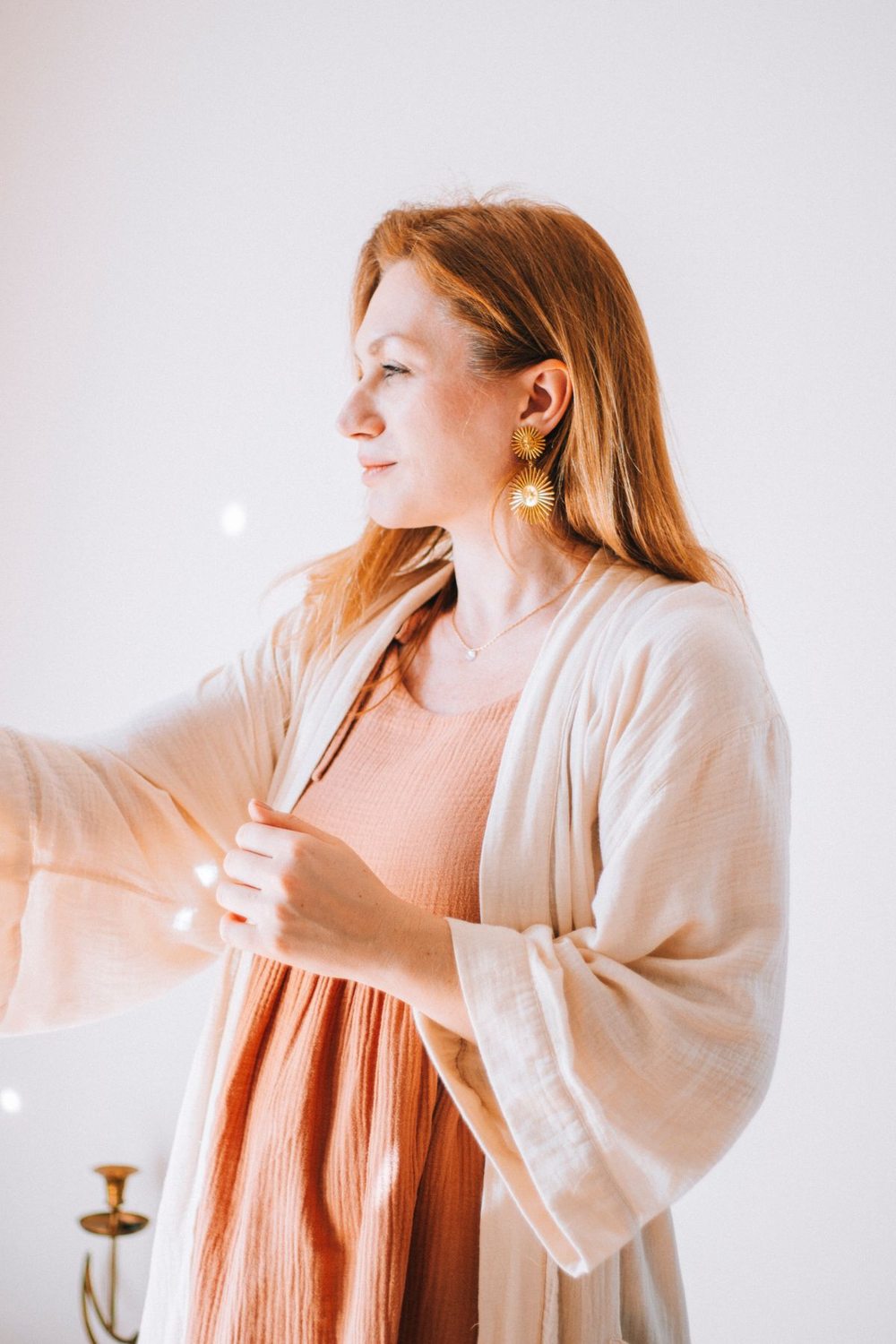
A cardigan can carry an outfit on its own when the fastening, neckline and lower half are considered together.
Style
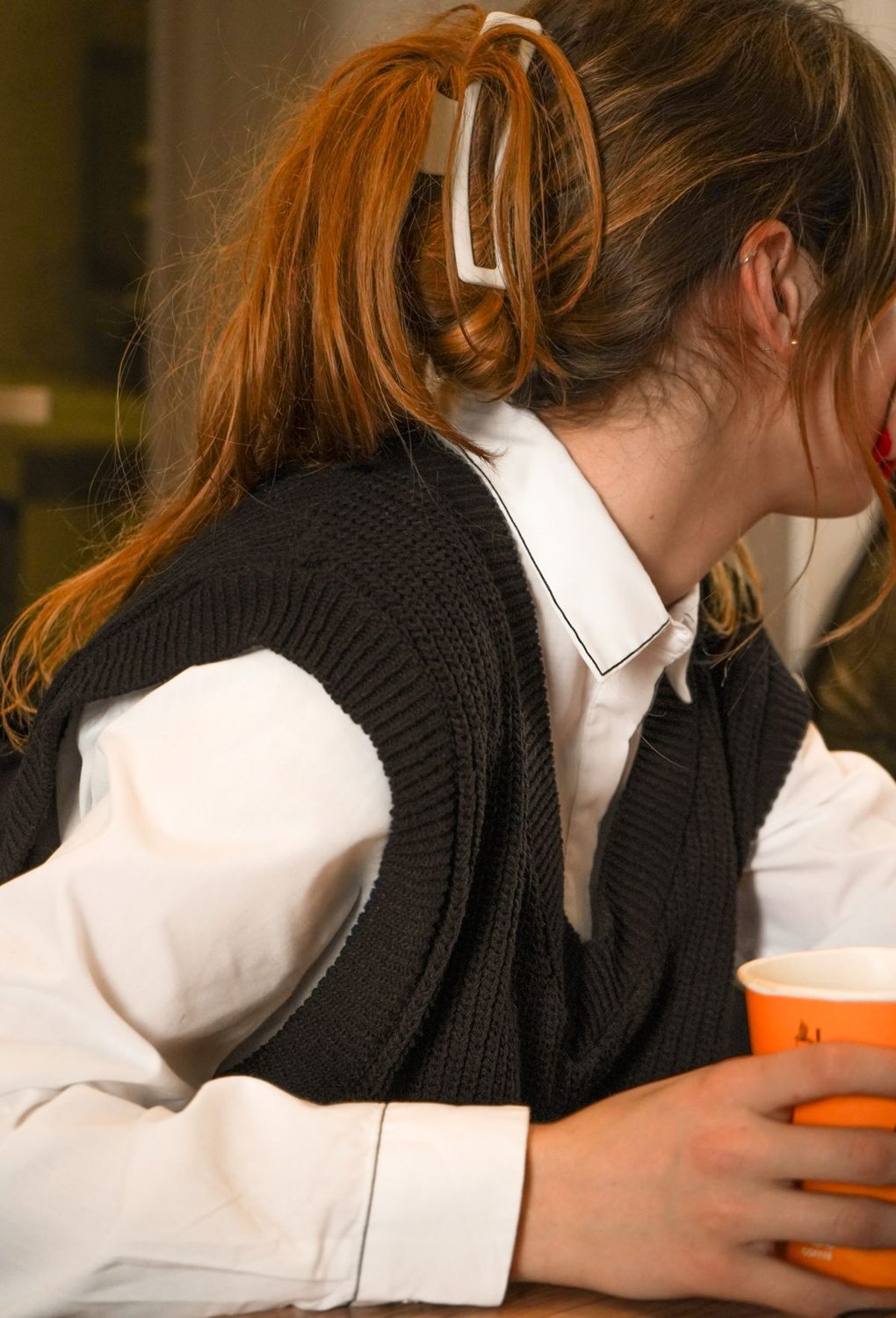
A knitted vest adds texture and warmth while leaving the sleeves beneath it visible.
Style
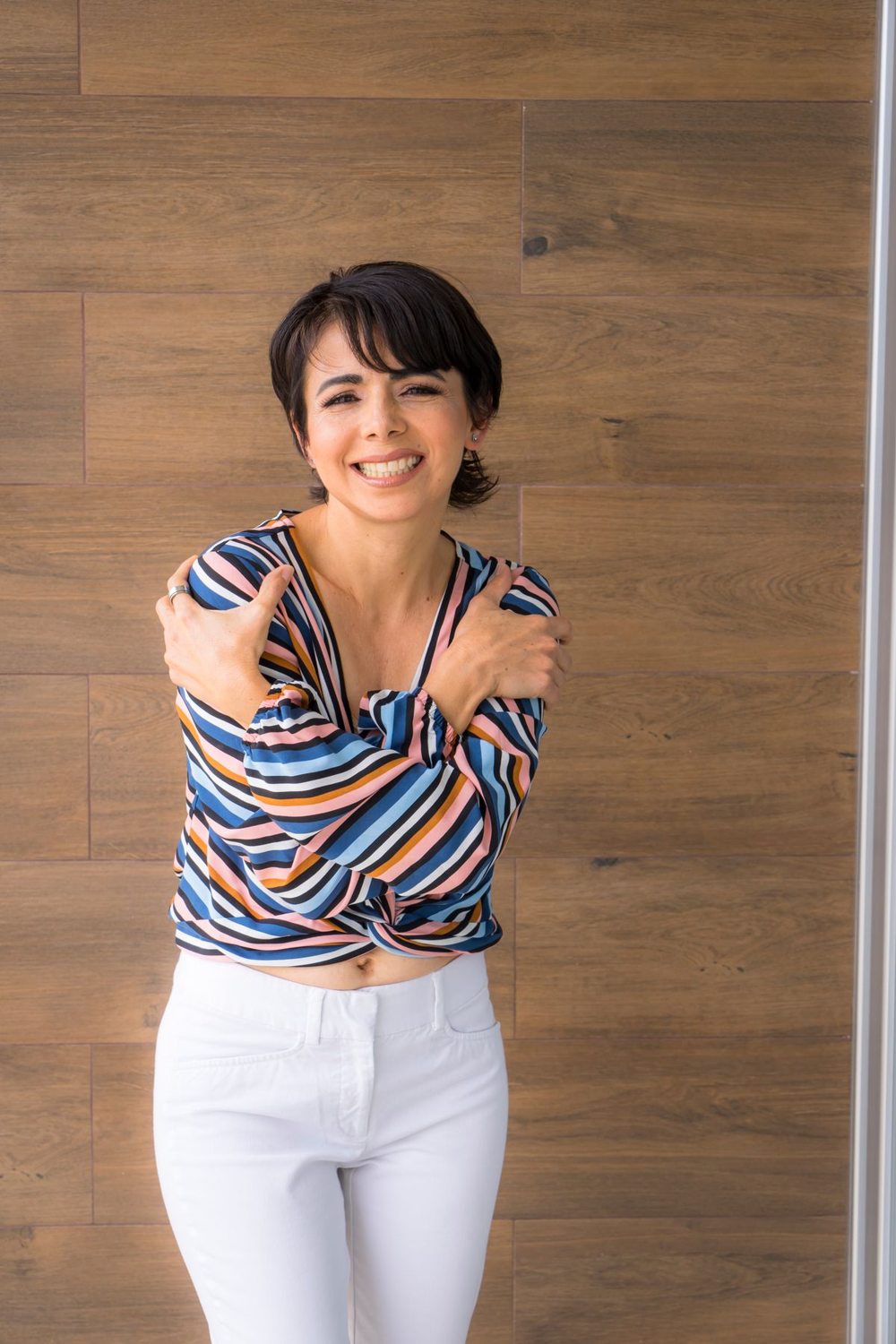
A striped top can work with skirts, tailored trousers and softer shapes without losing its familiar character.

Style
An oversized shirt can be a loose top, an open layer or a piece with one deliberate tuck. Decide its job first.
Style
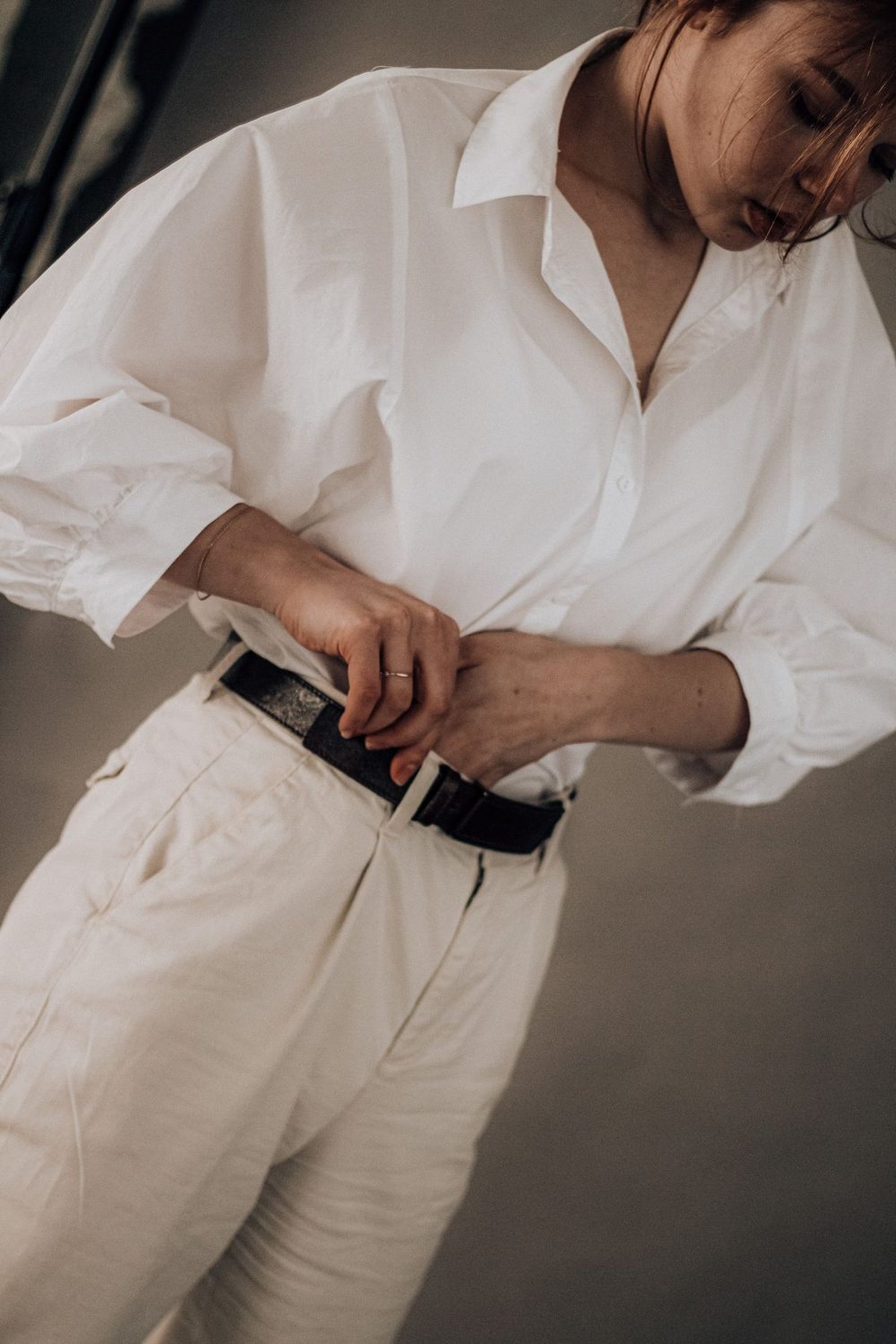
A shirt tuck should leave enough fabric to sit, reach and breathe without rebuilding it every time you stand.
Style
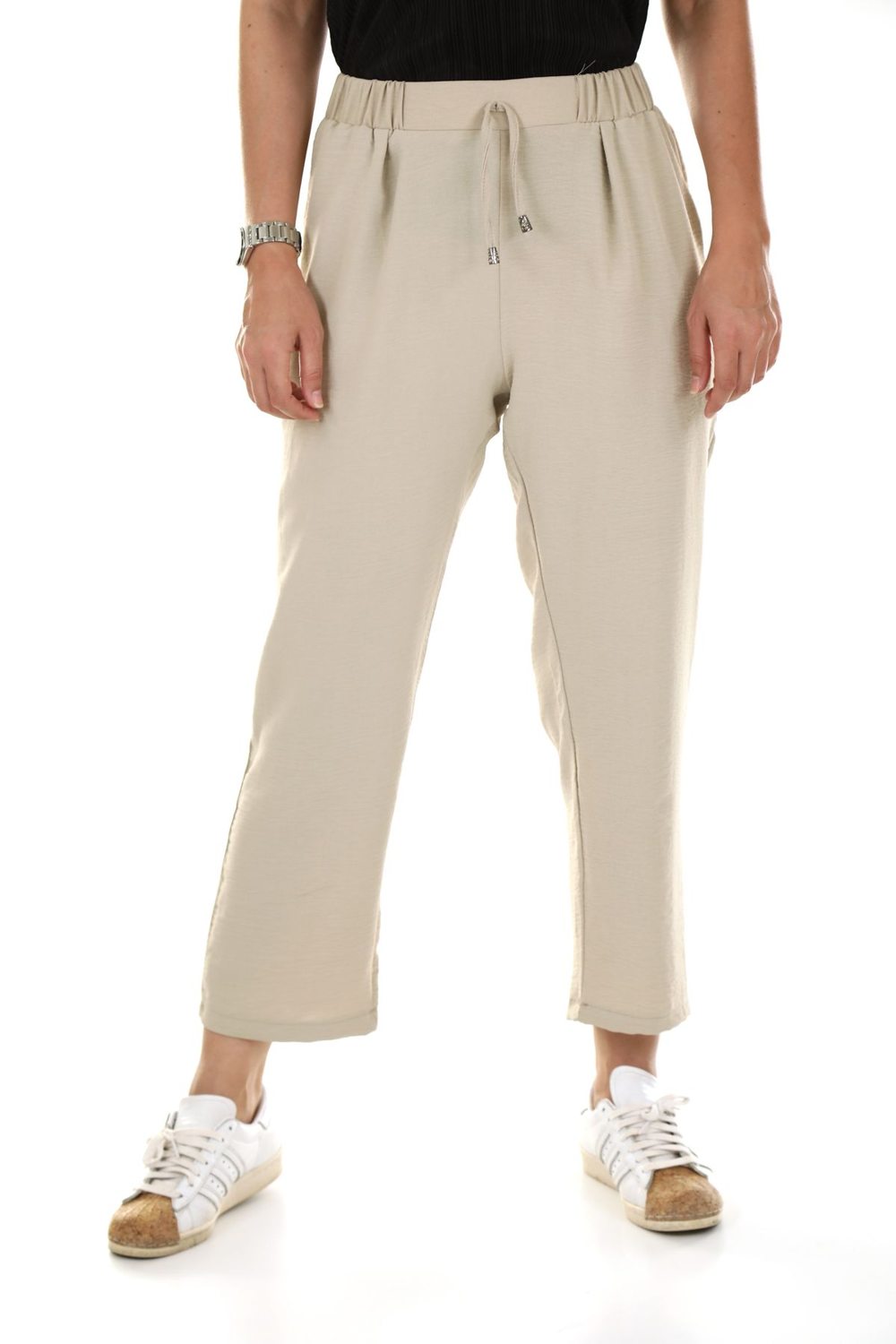
The space between a cropped hem and a shoe is part of the outfit, and small changes can make it feel more settled.
Style
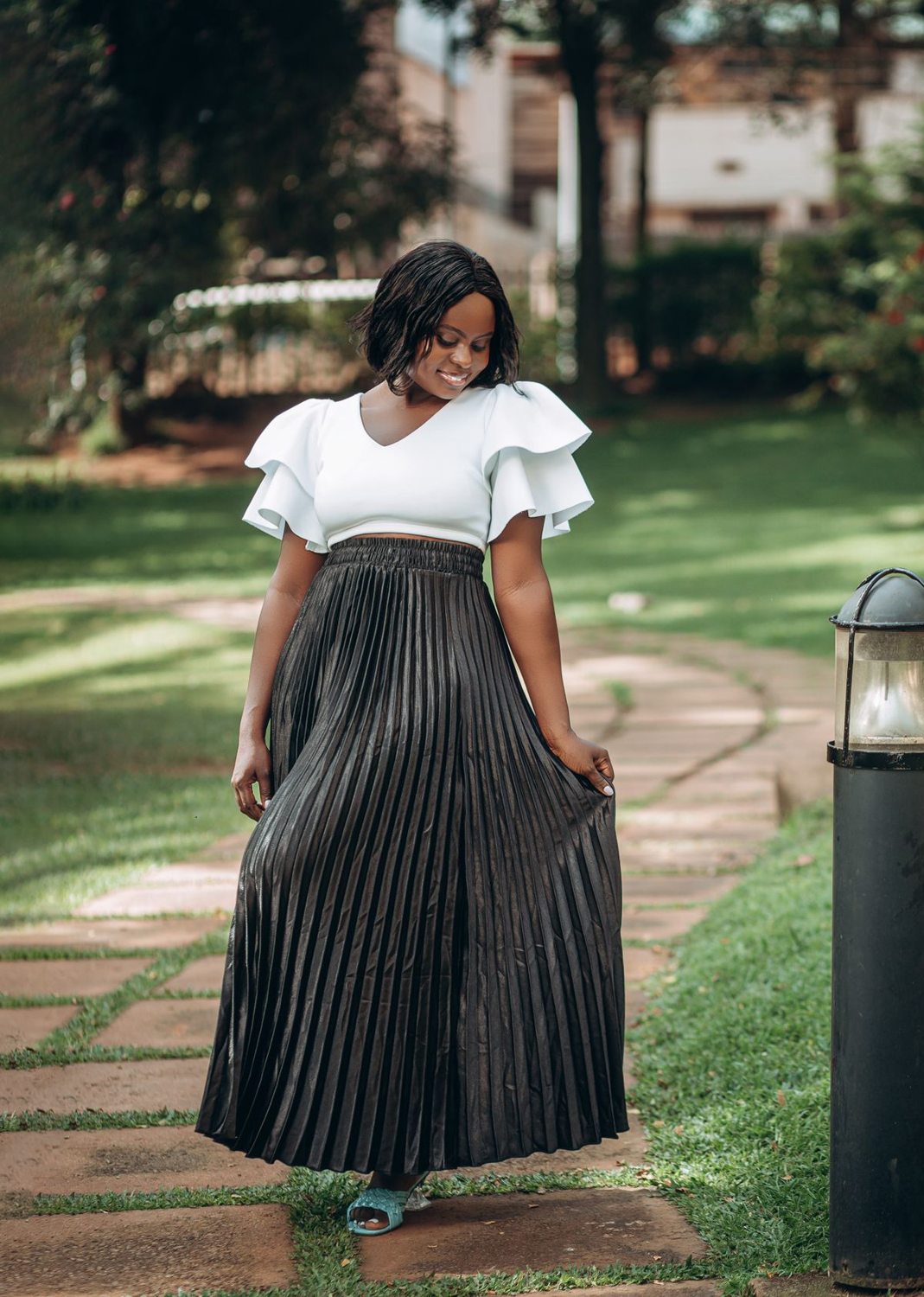
A long skirt should have enough movement for the route, the chair and the steps you will meet.
Style
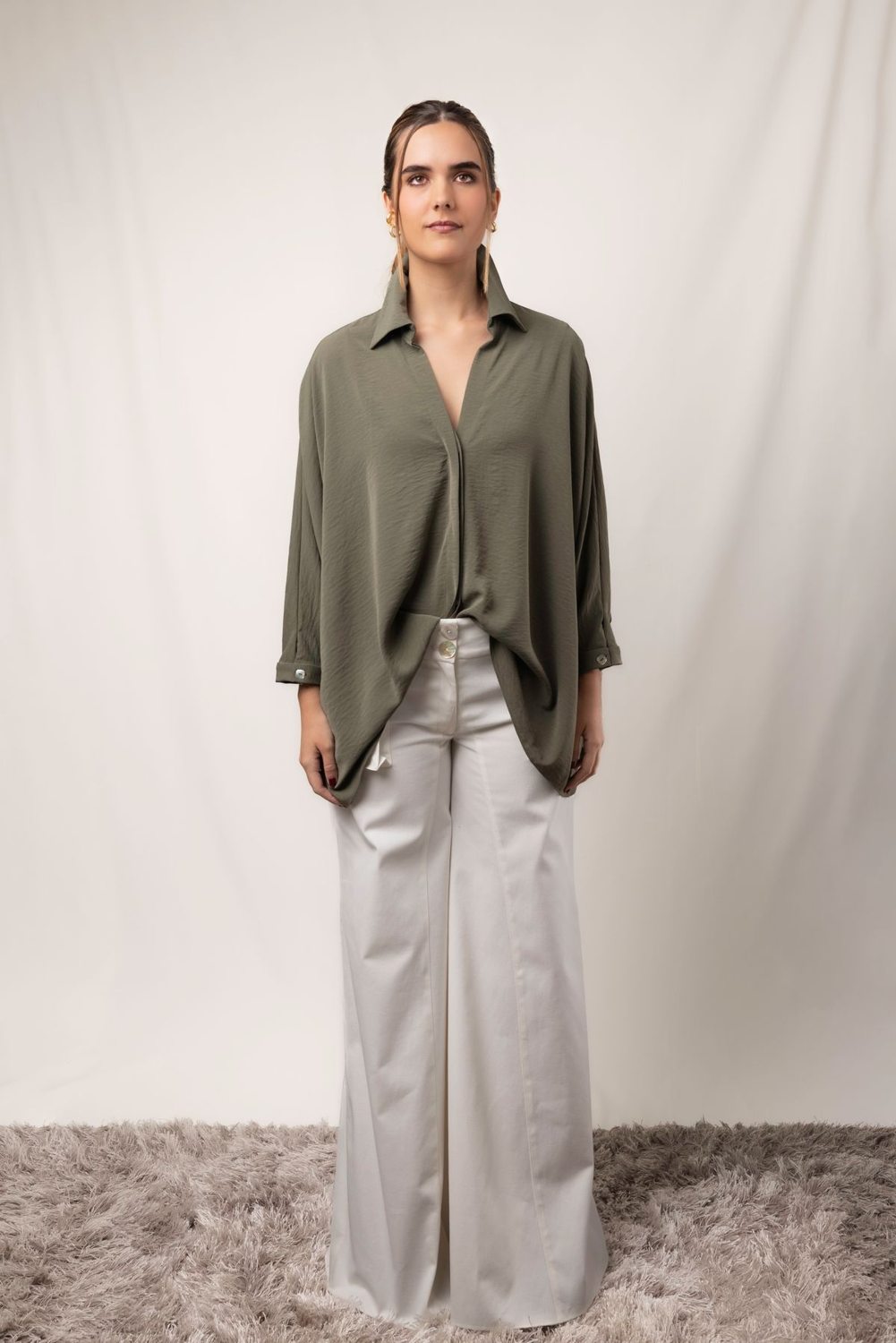
Loose clothing from shoulder to hem can work when the fabric, lengths and openings remain clear.
Style
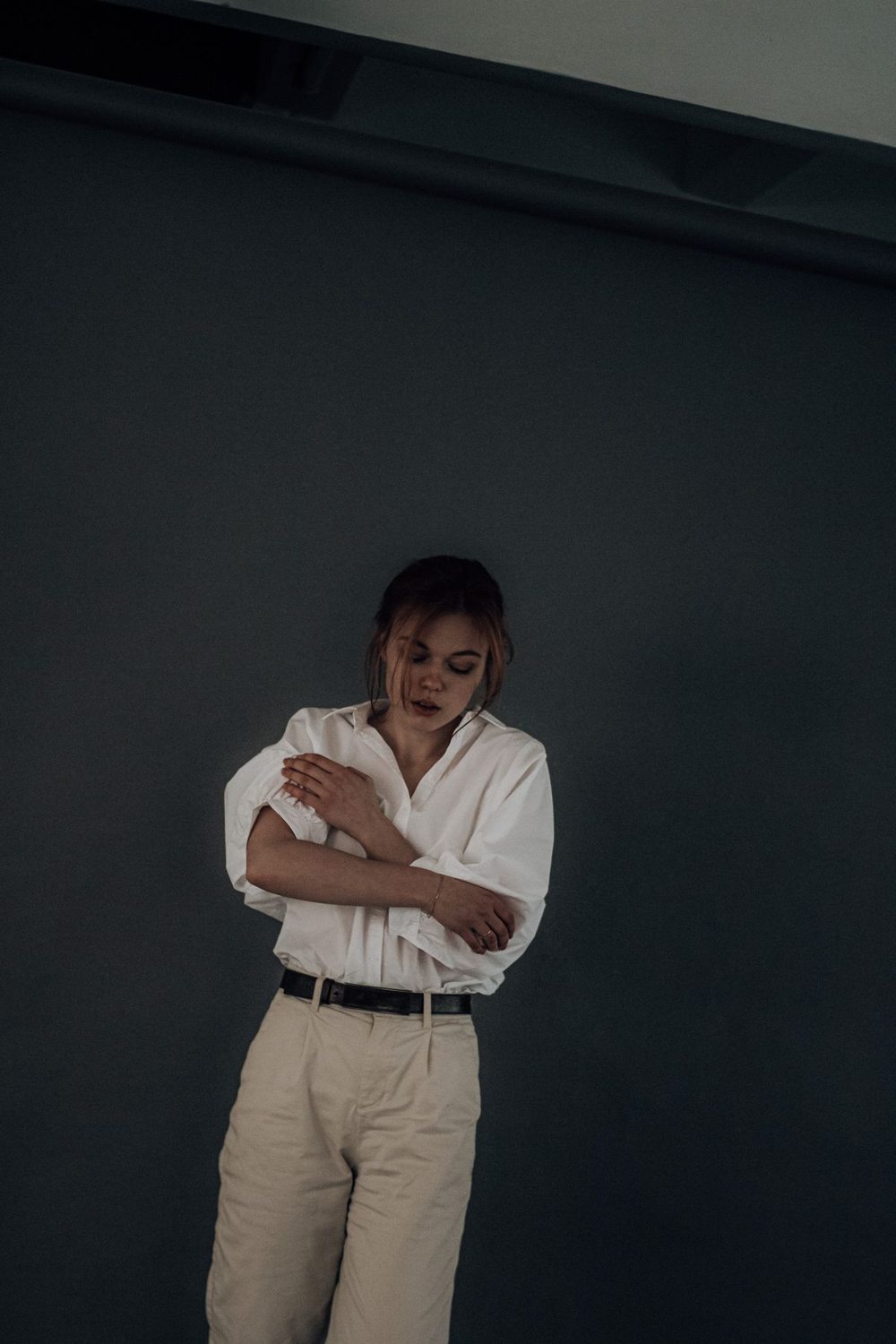
Room in an outfit can sit at the shoulder, sleeve, waist or leg. Choosing where it matters makes fit easier to judge.
Style
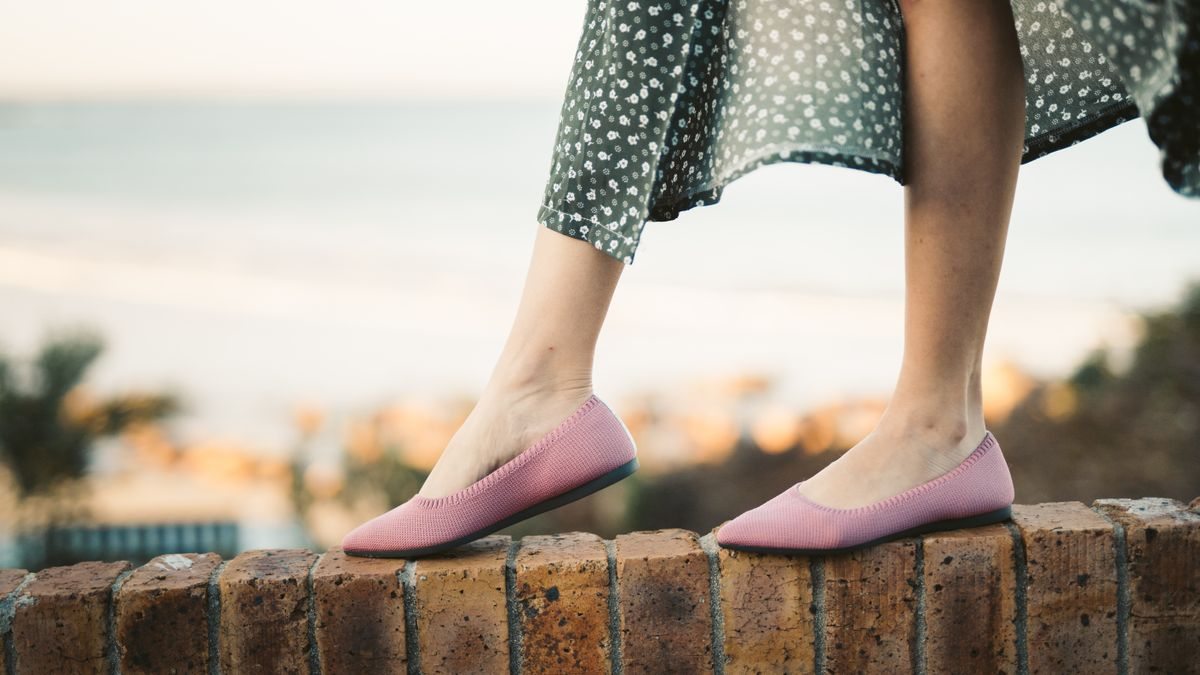
Choose the flat shoes first, then let the hem, fabric and accessories establish the evening outfit.
Style
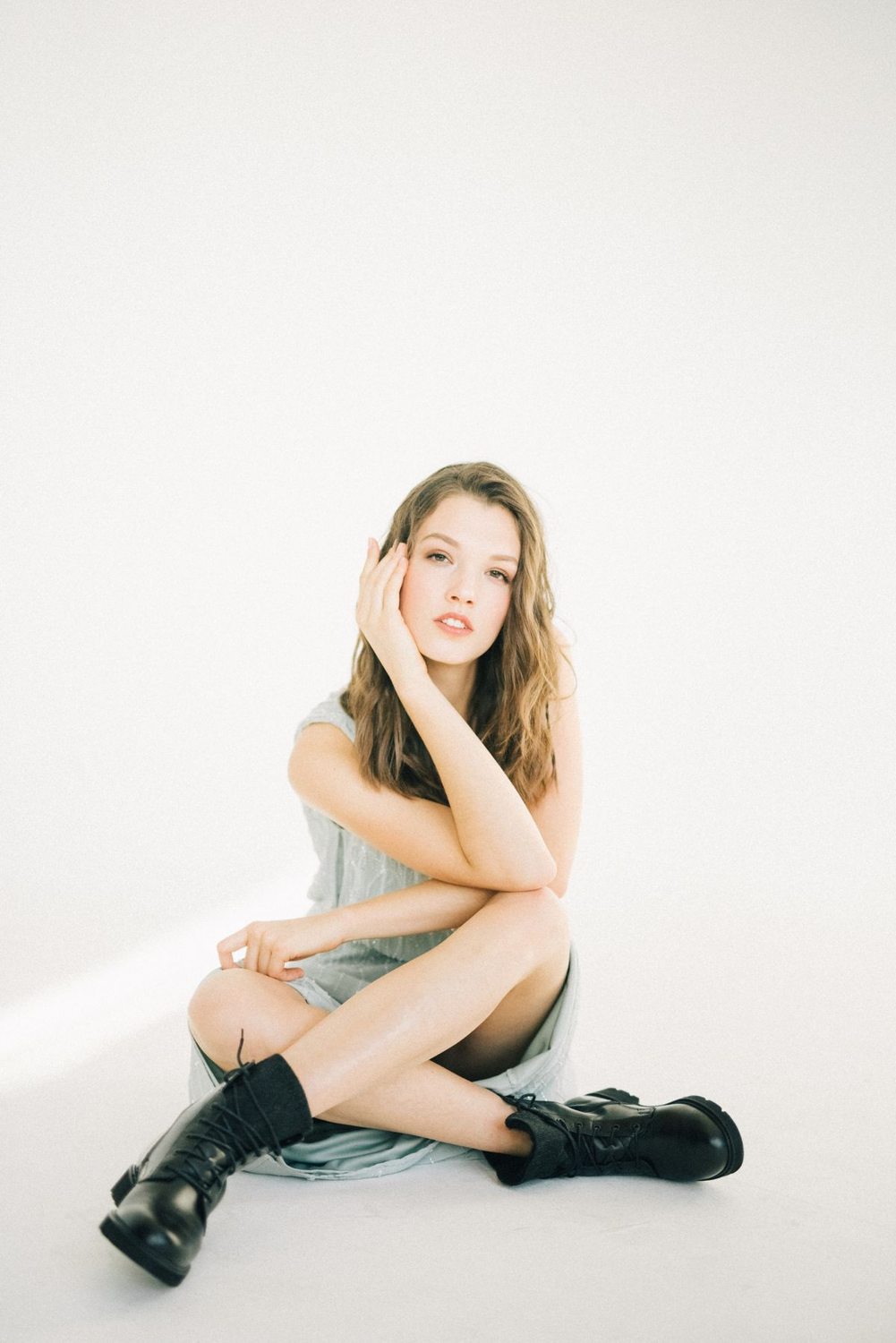
A dress and boots meet at a small but visible boundary. Check that boundary while walking, not just standing.
Style
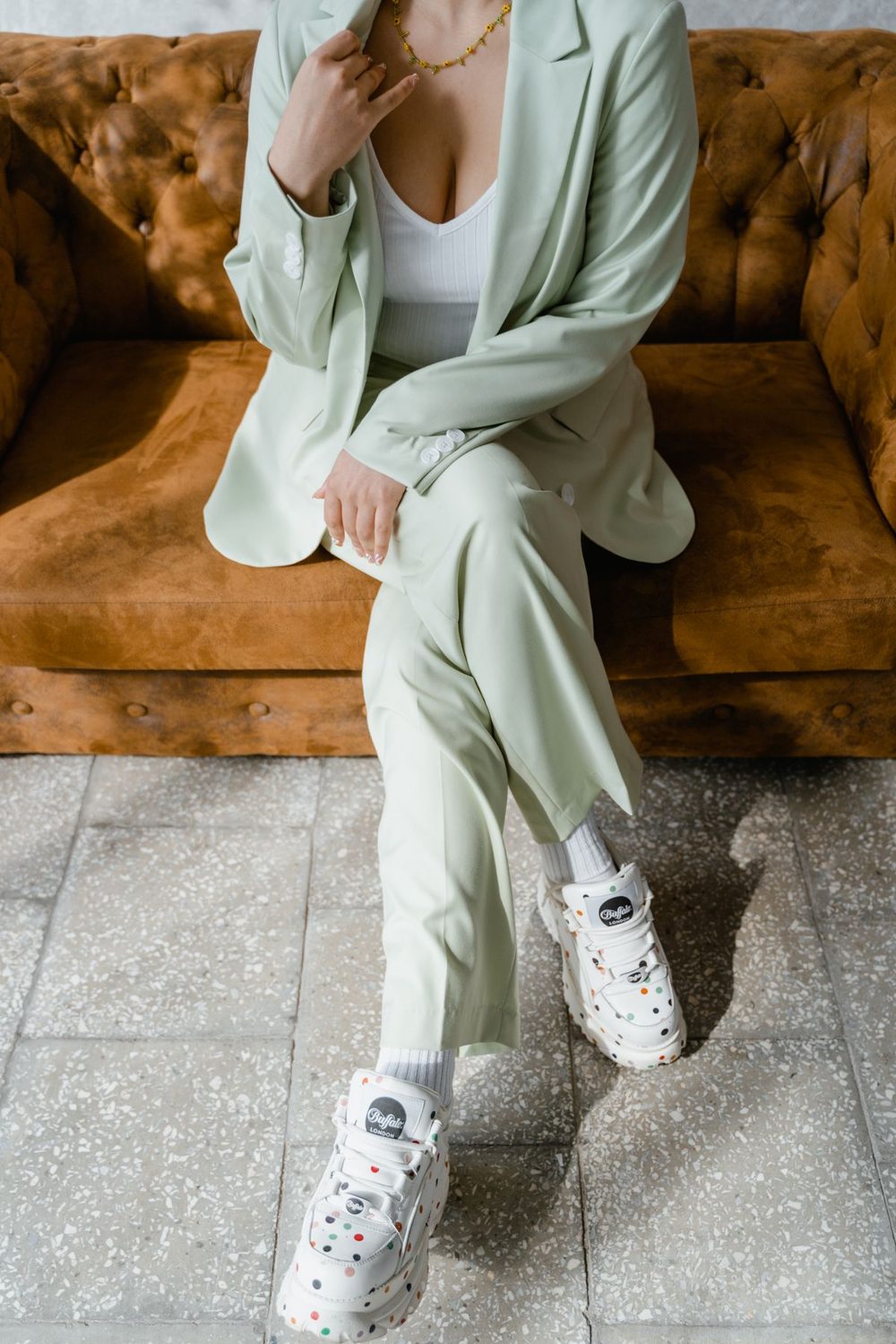
Trainers and tailoring can share an outfit when the trouser length and the rest of the clothes support the choice.
Style
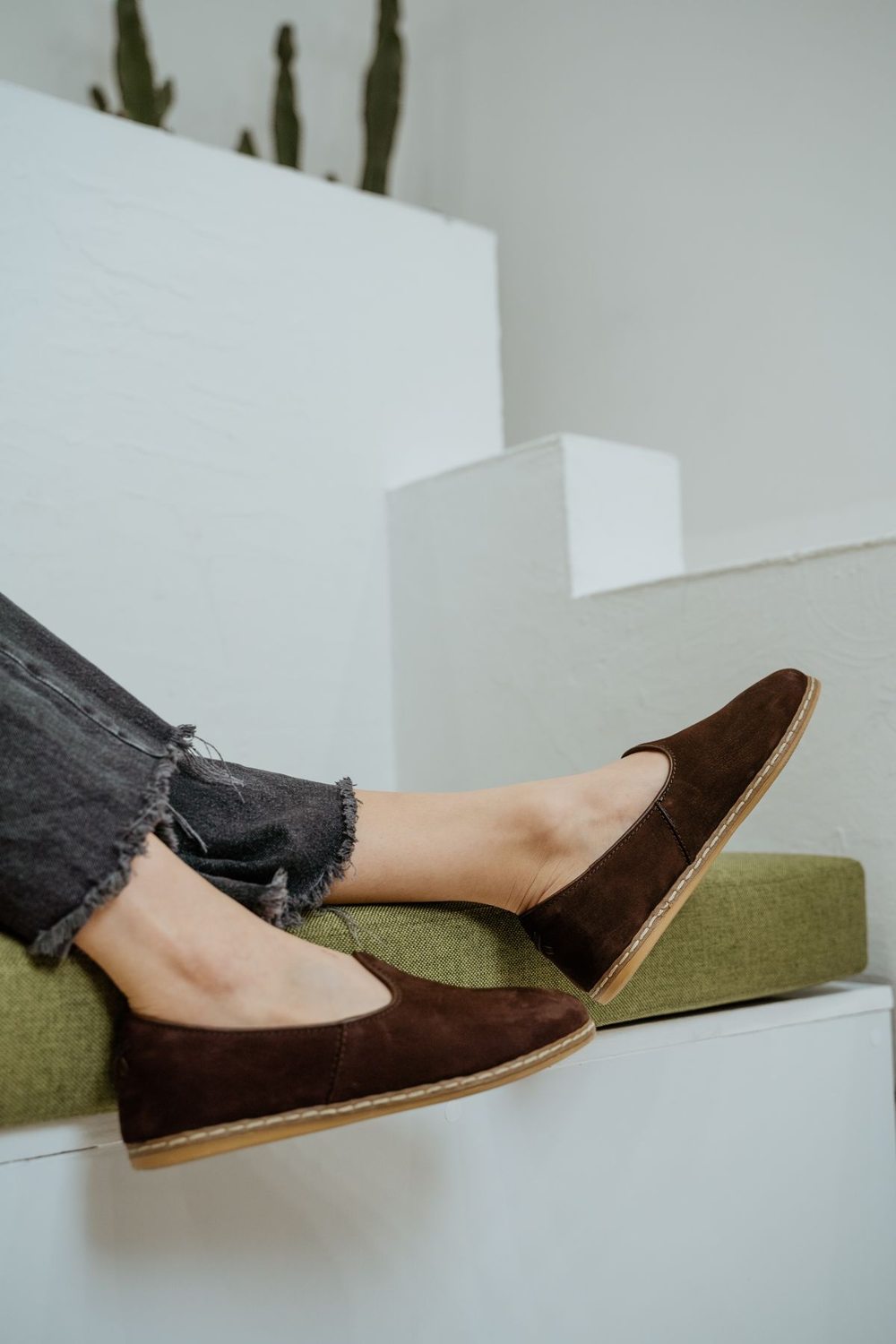
Loafers can bring a firm shape to casual clothes, but their fit and the trouser hem need to work together.
Style
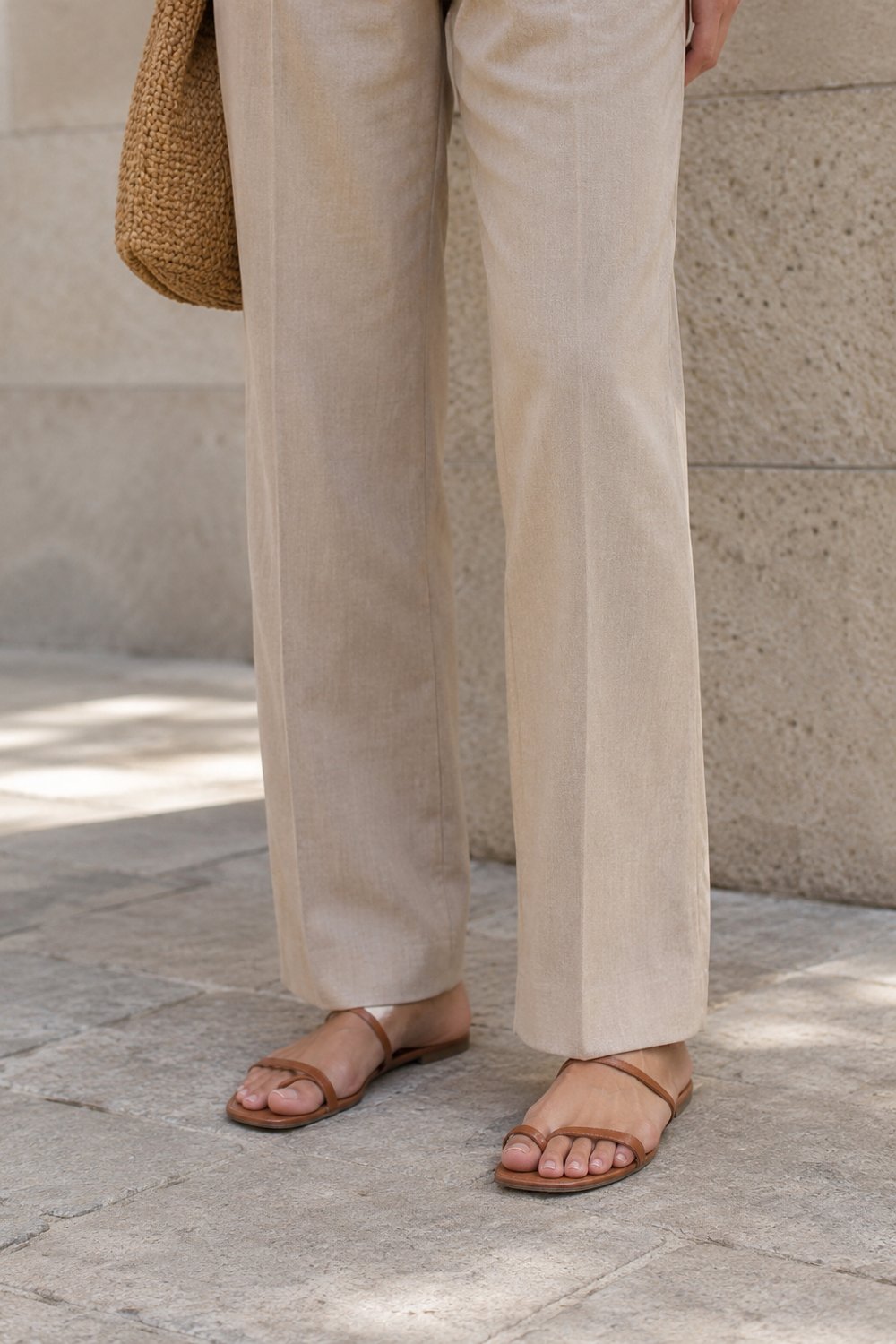
A trouser hem that works with a heel may be too long for a flat sandal. Check the moving version before deciding.
Style
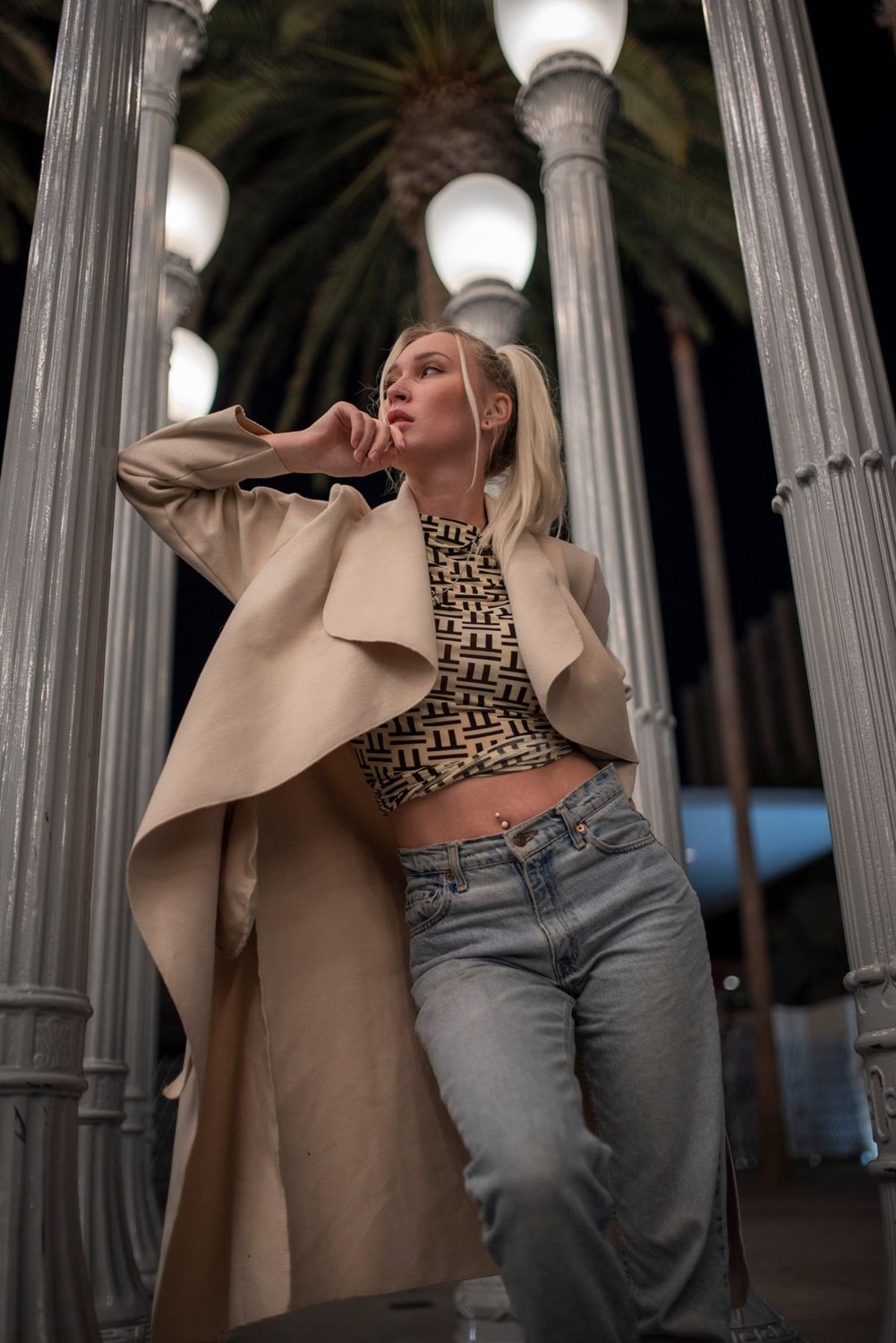
The coat should accommodate the outfit underneath, including sleeves, collars and the bag strap.
Style
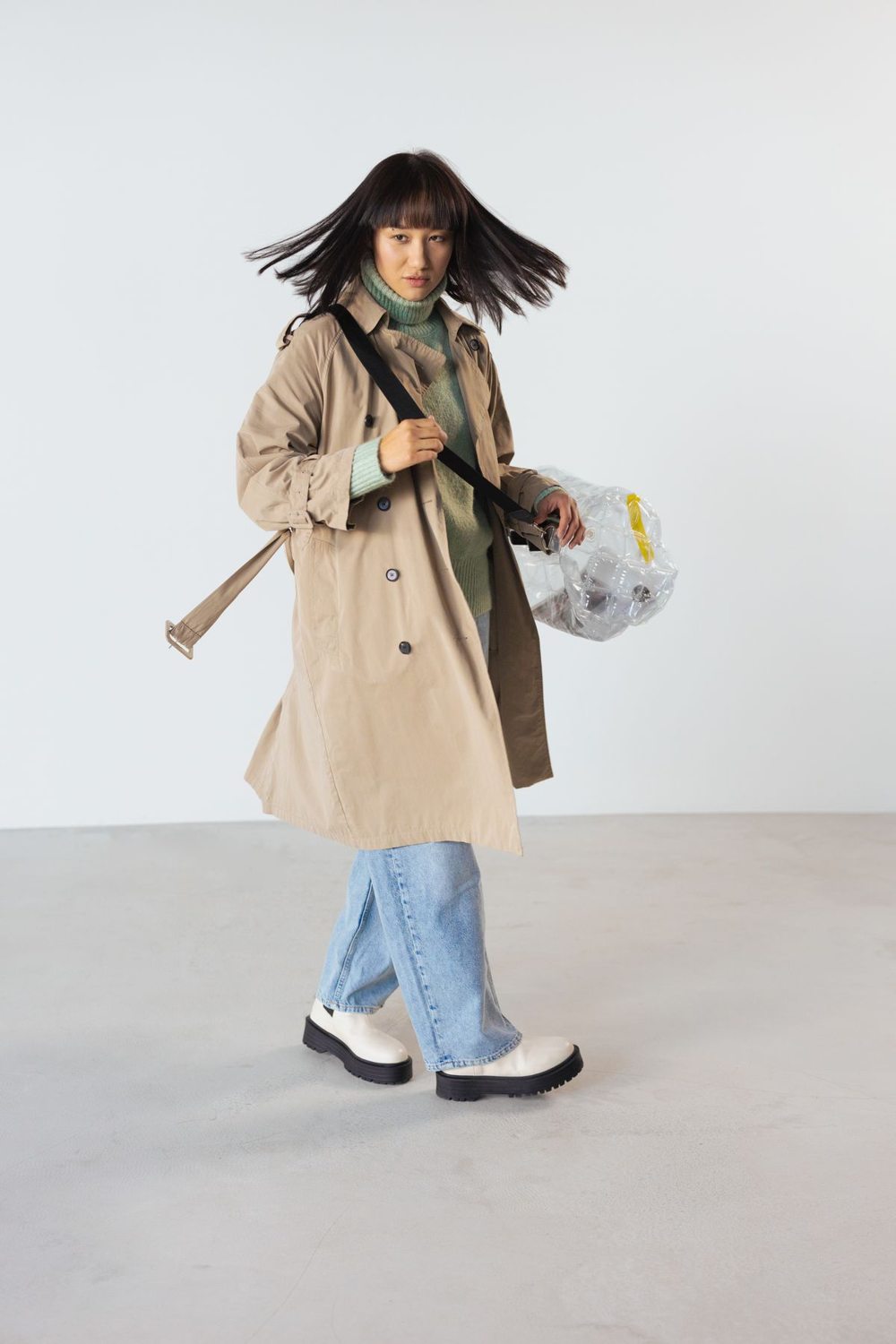
A trench coat can supply most of the structure while the clothes beneath remain simple.

Style
A denim jacket changes the outline and texture of a dress. Its length is often the deciding detail.
Style
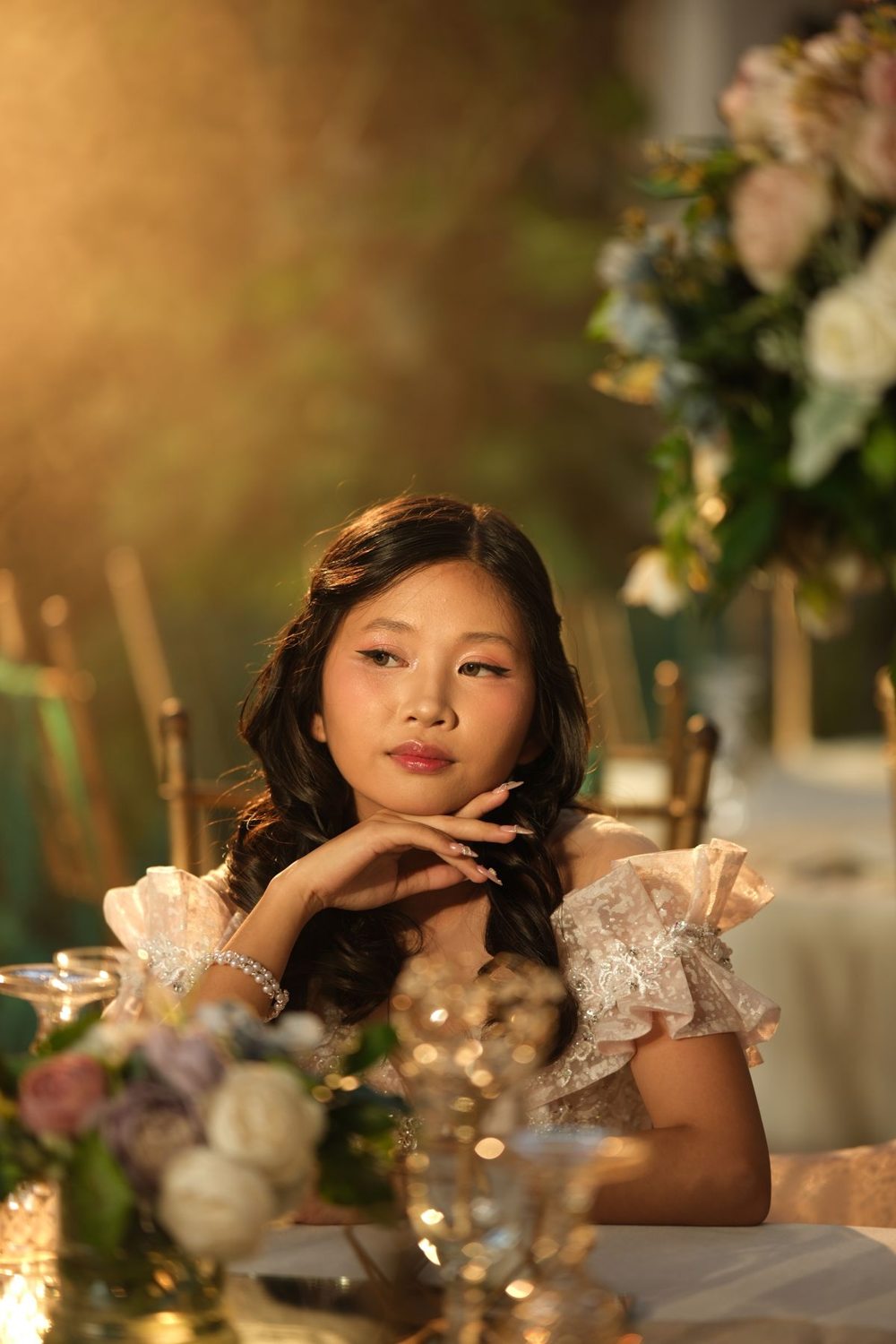
An occasion outfit can return to another invitation with a different setting, layer or accessory and still feel like itself.
Style
When an invitation leaves the dress code open to interpretation, ask about the setting and the host’s expectations.
Style
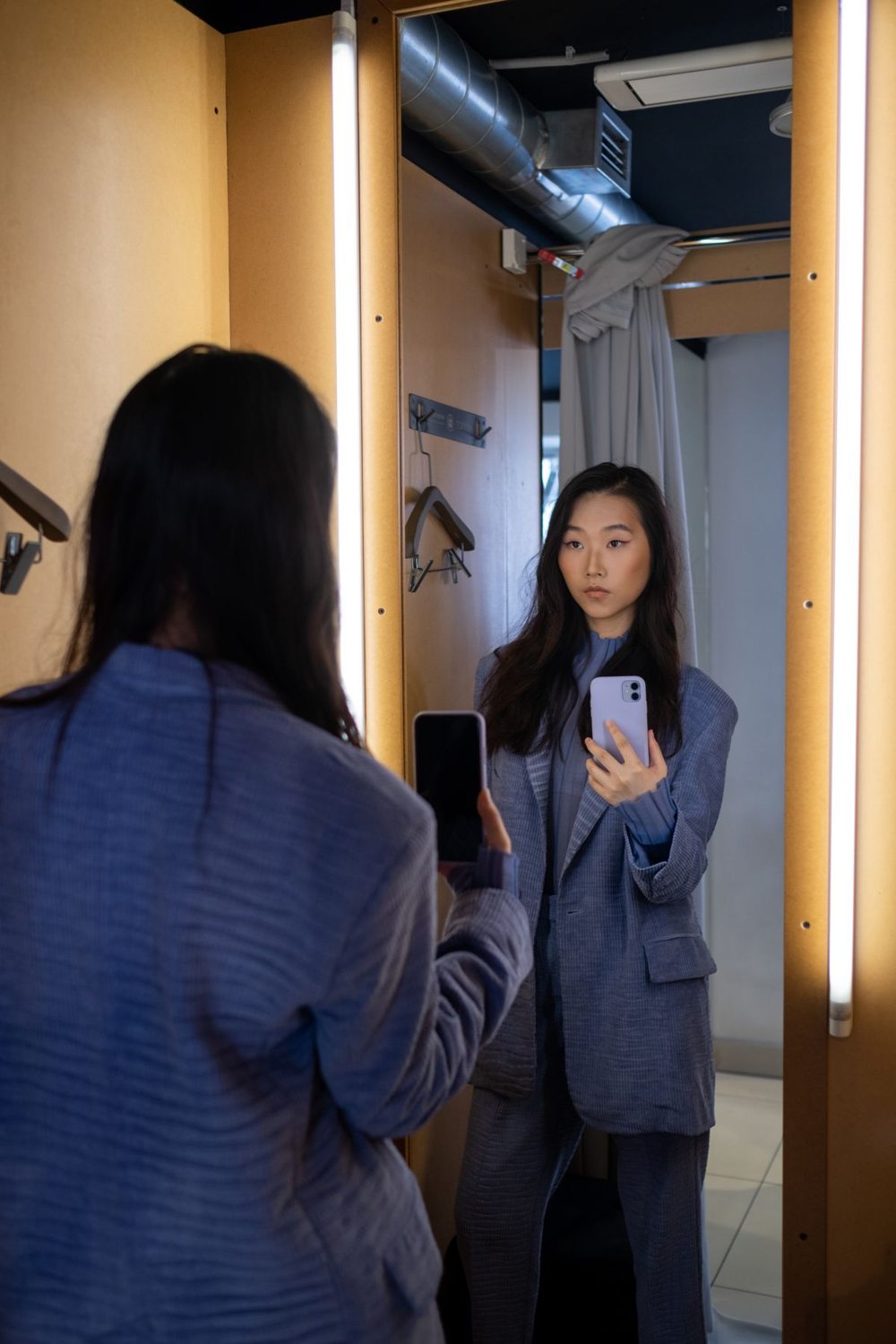
An outfit photograph is useful when it answers one question. It does not need to become a judgement on your body.
Style
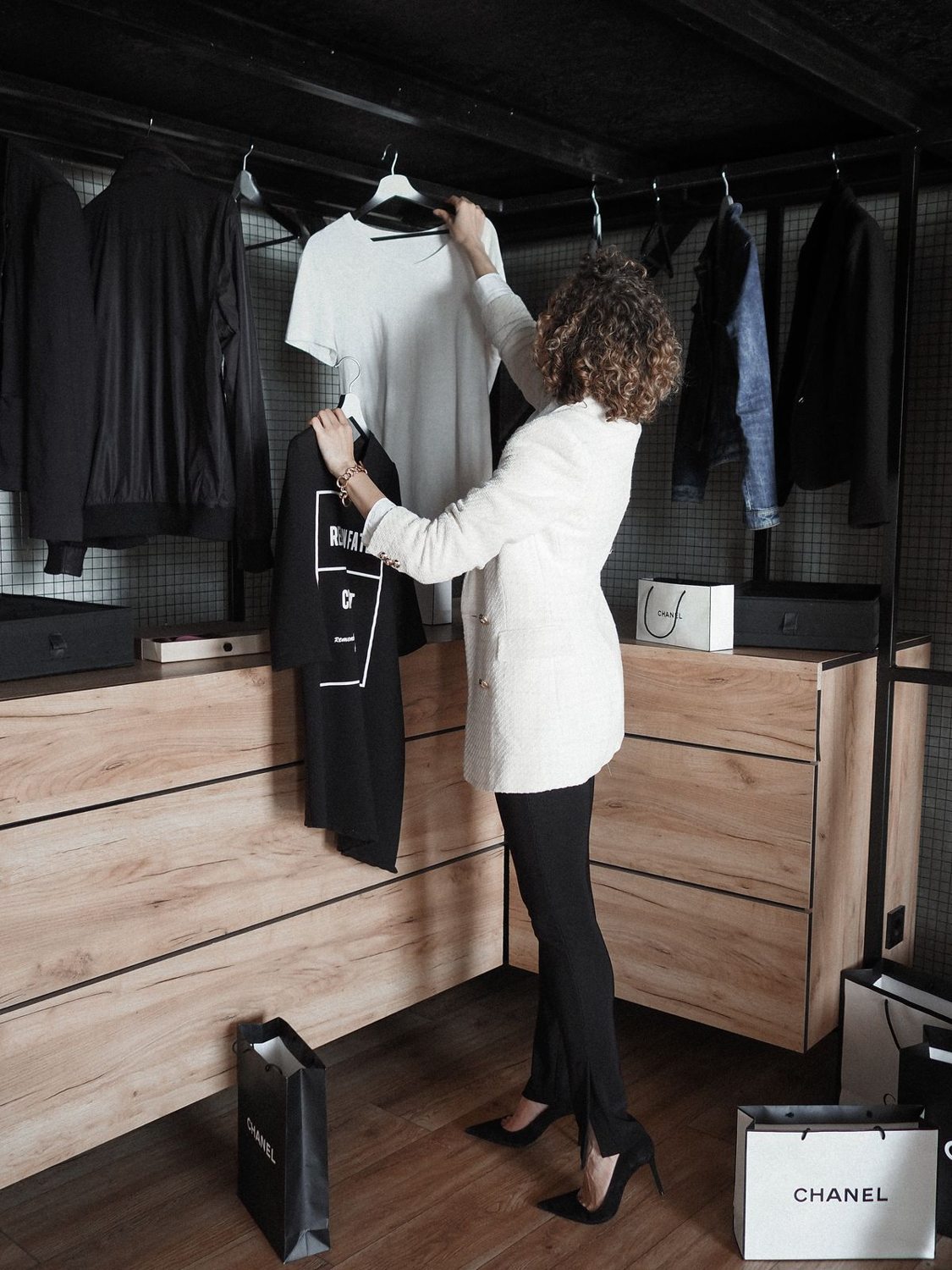
When a combination feels off, a single change can tell you more than starting again with a different pile of clothes.