Begin at ground level
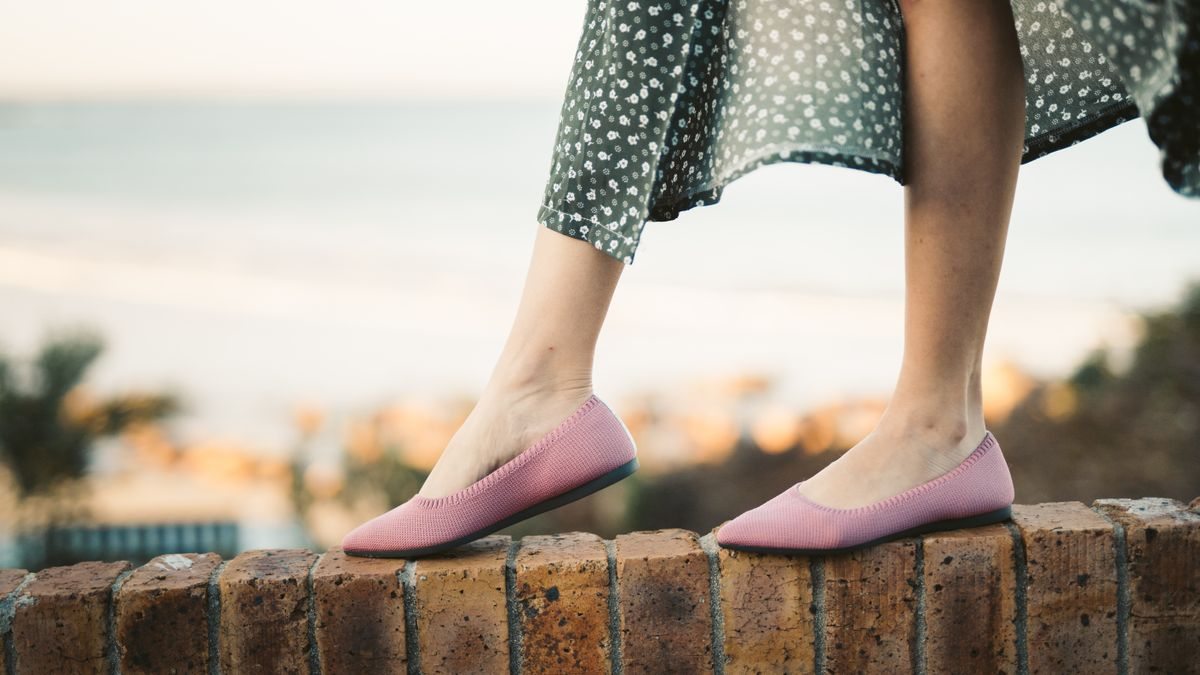
If you want to wear flat shoes in the evening, start with a pair you enjoy rather than treating them as a compromise at the end. Their shape, material and condition all contribute to the outfit. A pointed flat, a loafer and a flat sandal give different results even when none adds height.
Choose for the venue and journey as well as the appearance. There may be stairs, paving or a walk home. A shoe that is flat is not automatically comfortable, so use your experience of the particular pair. Check the fit with any hosiery you plan to wear and allow time to discover a problem before the evening begins.
Let the hem meet the shoe you chose
Trousers bought or altered for a higher heel may drag with flats. Put the complete outfit on and look at the back of each leg. Walk across the room and turn. A wide hem can slip under the heel during movement even if it appears clear while standing.
A dress or skirt also changes beside a low shoe. The visible space may be greater, and the upper shape of the shoe becomes more noticeable. You can enjoy that difference without trying to imitate the effect of a heel. If the proportions feel wrong, compare another hem length or a different flat shape rather than abandoning the idea immediately.
Use fabric to change the mood
A smooth blouse, a softly draped skirt or a textured jacket can make an outfit feel ready for dinner. There is no need for every surface to shine. One difference from the clothes you wear during the day may provide enough change, particularly in an informal setting.
For example, black trousers with a cotton shirt and loafers can go to a casual restaurant as they are. Replacing the shirt with a draped top creates another version while the shoes stay the same. A printed dress and plain flats may already have enough detail without adding a special jacket or several pieces of jewellery.
Keep the details near the face intentional
Earrings, a neckline or a small scarf can draw attention upwards if that is the effect you want. Choose a detail you can wear comfortably through the event. A large earring that catches on the coat collar or a necklace that will not stay against the fabric can become more distracting than helpful.
A smaller bag may change the outline, but make sure it holds what you need. If you are travelling straight from work, decide how the larger bag will be stored or carried. An evening outfit is not improved by leaving essential items behind because the accessory looked better empty.
Build a version from what is already there
Take a simple dress you normally wear with heels and place two flat options beside it: perhaps a plain loafer and a low-cut flat. Try the complete dress with each, keeping the bag and jewellery unchanged. The loafer may make the outfit feel more structured, while the lower upper leaves more of the foot visible. Neither needs to reproduce the original version.
If both seem wrong, look at the hem and the weight of the shoe before buying another pair. A small alteration may be more useful, or the dress may simply belong with a different occasion. Not every garment has to serve every footwear preference.
Consider the stated dress code
Some events have explicit expectations. Read the invitation and ask the host if the wording is unclear. The fact that you prefer flats does not prevent you from dressing formally, but the complete outfit still needs to suit the occasion. A decorative flat with an evening dress has a different effect from a worn casual trainer with the same garment.
Do not make an expensive purchase solely to solve an imagined rule. Try the clothes and shoes you own, then identify a specific gap if one remains. You may need a hem adjustment, a different hosiery choice or simply a shoe in better condition, rather than a new outfit.
Before leaving, walk in the clothes with the bag and outer layer. When the combination works in motion, the absence of a heel stops being the main idea. You have an evening outfit that happens to use the shoes you wanted to wear.