Read the print from a distance
A small floral pattern can look almost like a single colour from across a room. A large geometric print stays distinct. Put the garment on and step back from the mirror to see what it contributes to the overall outfit. The impression may be different from the detail you noticed on the hanger.
Identify the background colour and the most visible secondary colour. You can use either as a starting point for the other clothes. This does not mean finding an exact match. A close relationship in colour may be enough, especially when the fabrics are different.
Choose how much support it needs
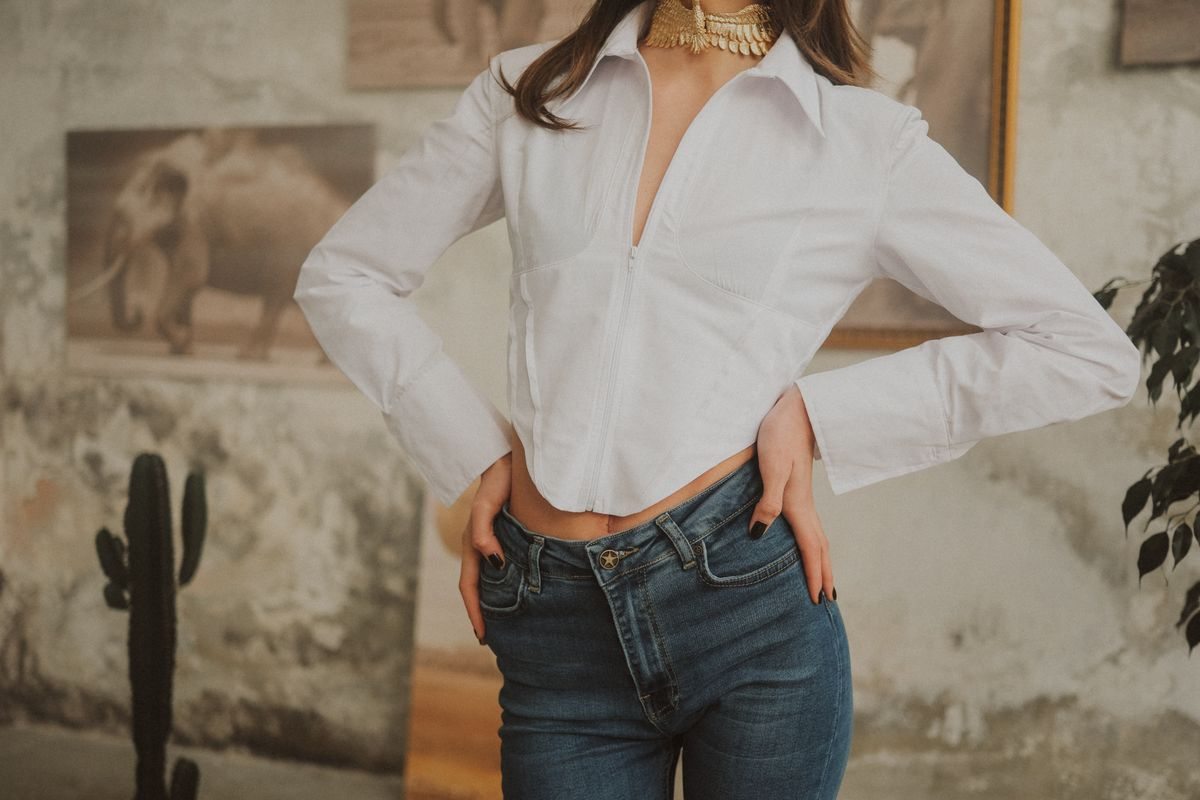
A printed skirt with a plain top is a simple way to keep the pattern visible. A printed jacket over jeans lets denim act as a quiet background. If the printed item has a dramatic shape too, a simpler neighbouring garment can leave room for both features.
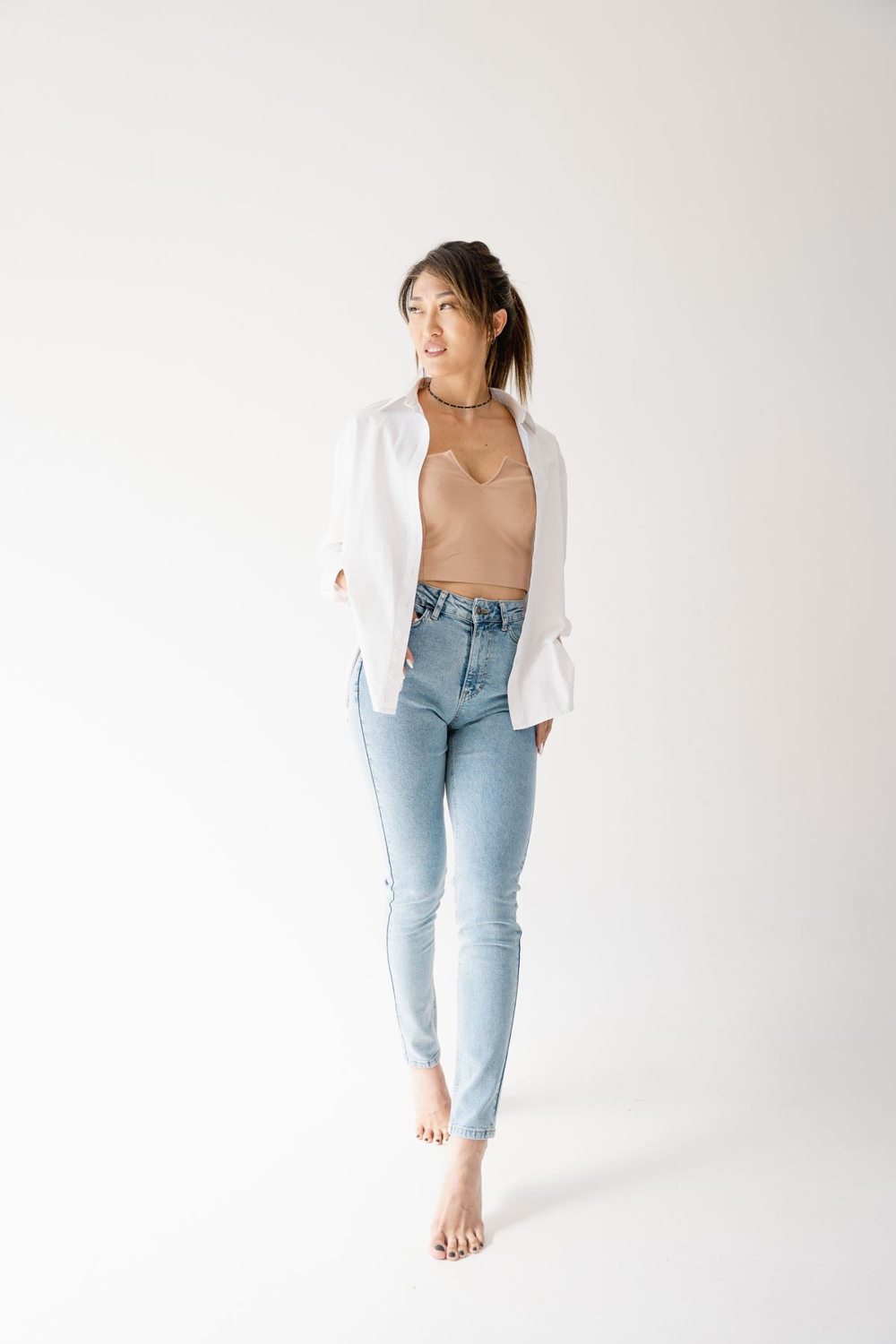
Sometimes contrast works better than echo. A black top may give a pale print definition, while a light shirt can separate a dark jacket from dark trousers. Test the boundary where the pieces meet. That is often where a combination succeeds or becomes visually crowded.
Do not let the palette dictate every accessory
A print containing five colours does not create an obligation to use all five elsewhere. Select one or leave the accessories neutral. Shoes and a bag can share a general mood without matching a flower, stripe or tiny detail in the fabric.
Look at the scale of jewellery beside the print. A necklace may disappear against a busy neckline or add another layer of pattern. If you want it to be seen, choose a clearer area of the outfit for it. Earrings can be an alternative when the front of the garment already has enough detail.
Consider the ordinary fit questions
A print can distract from a seam that pulls or a button that strains. Do not let an appealing pattern persuade you to overlook those things. Sit, reach and walk in the garment. Check where the pattern falls across pockets and openings if that detail matters to you.
For an existing piece that feels difficult to wear, try three plain partners before deciding it needs replacing. One may be too close in colour, one too heavy in texture and one just right. That small experiment gives you information about the actual garment rather than a general belief that prints are complicated.
When you find a combination you like, let it be repeatable. A distinctive print does not become unusable after one outing. The way it is layered, the shoe beside it and the setting can change while the useful starting point remains the same.