Accessories
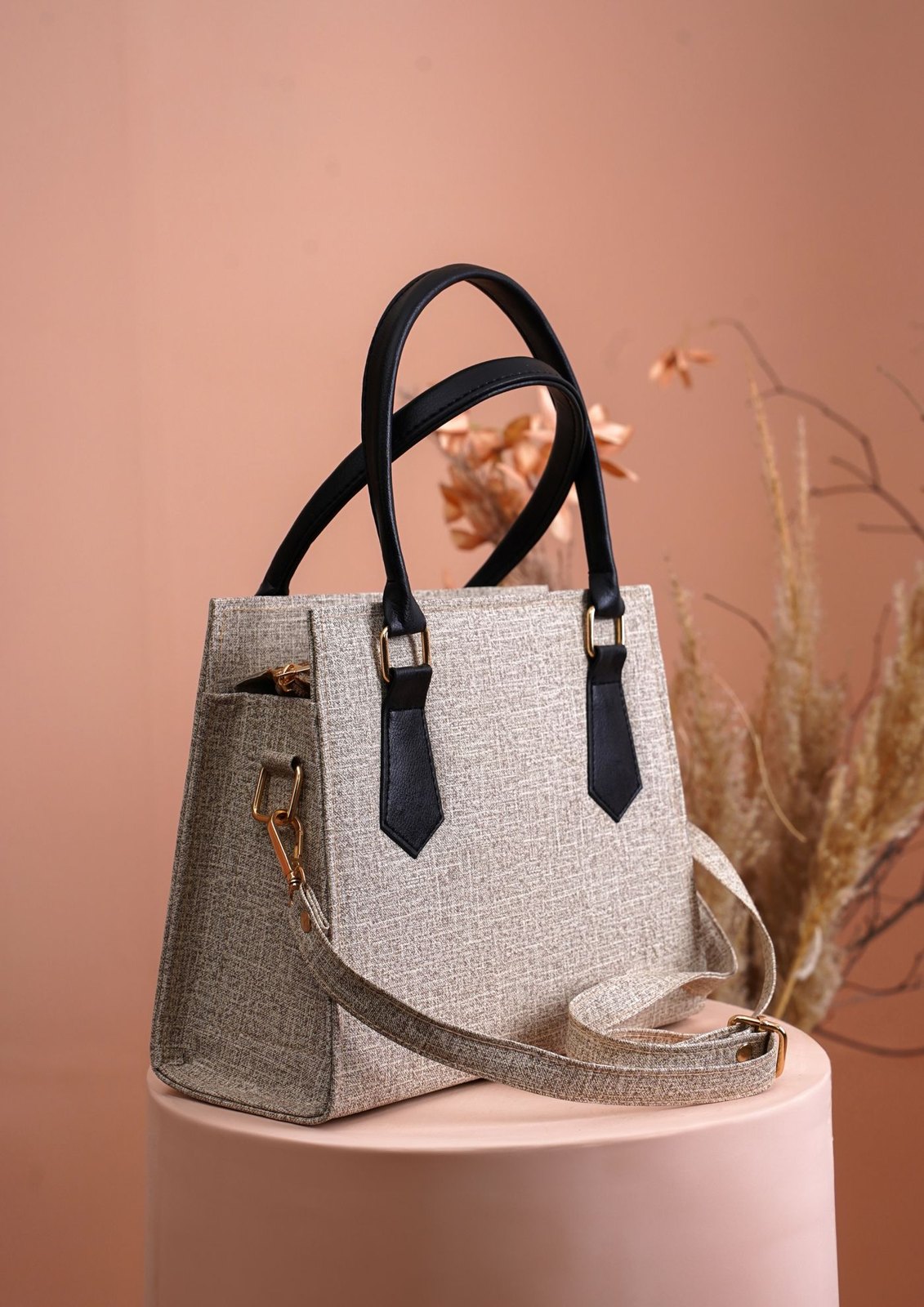
Choose an everyday bag from what you carry
Start with the objects, then test the way the bag carries them.
The subjects
Shoes, bags and jewellery change the outline of an outfit. Here, the small decisions get a closer look.
Accessories
Start with the objects, then test the way the bag carries them.
Accessories
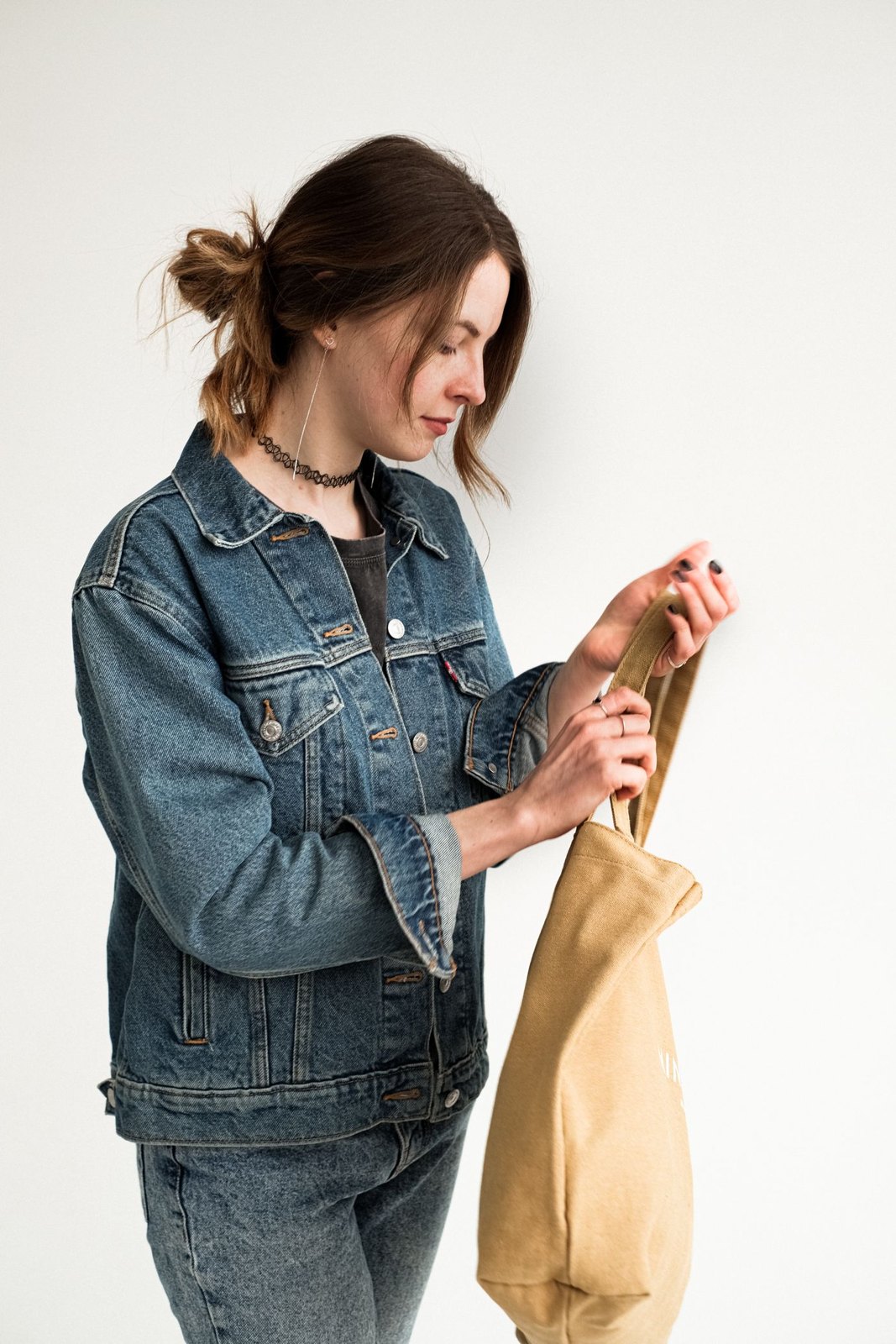
Group the small things without filling a roomy bag with more containers than contents.
Accessories
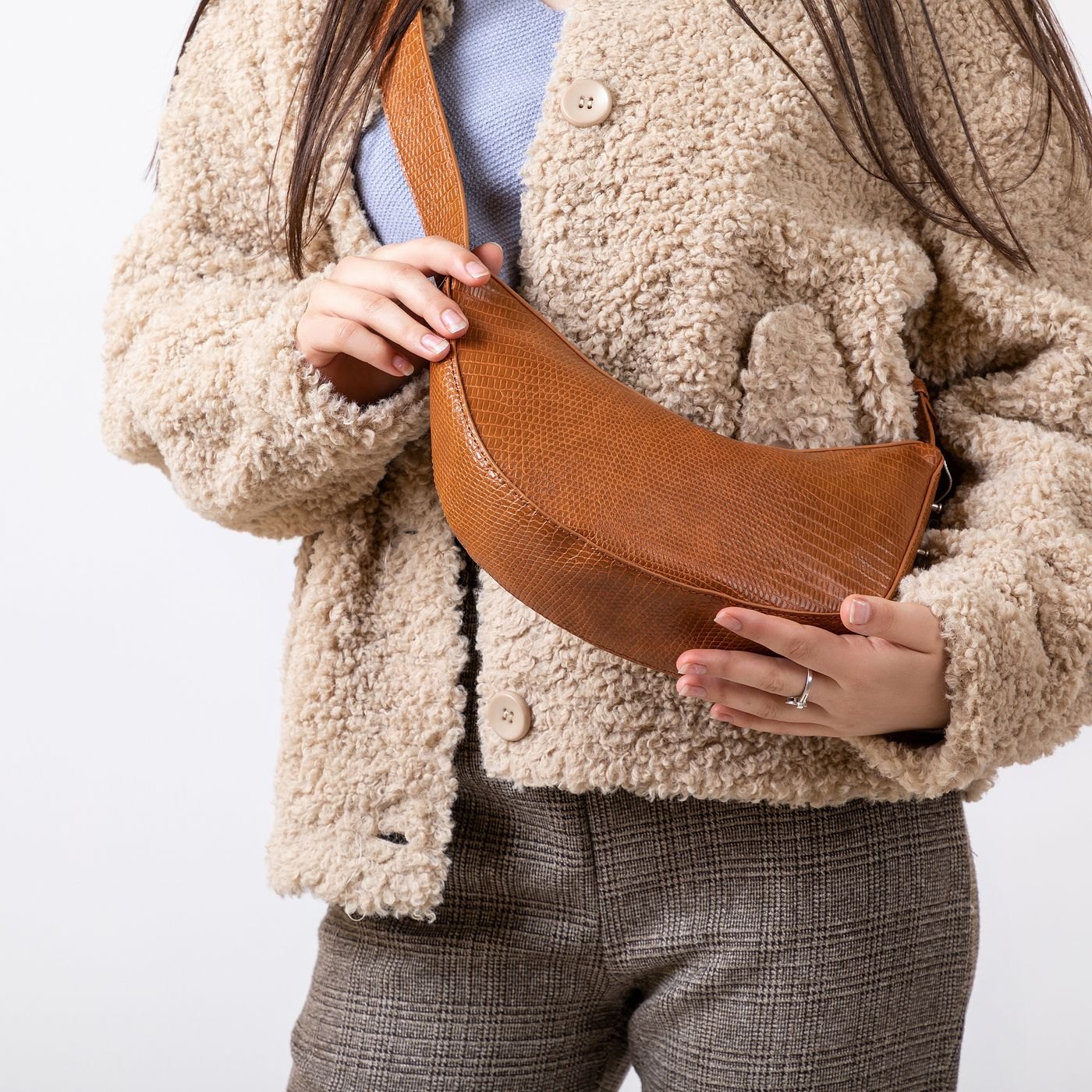
Adjust the strap while the bag contains what you carry and you are wearing your usual outer layer.
Accessories
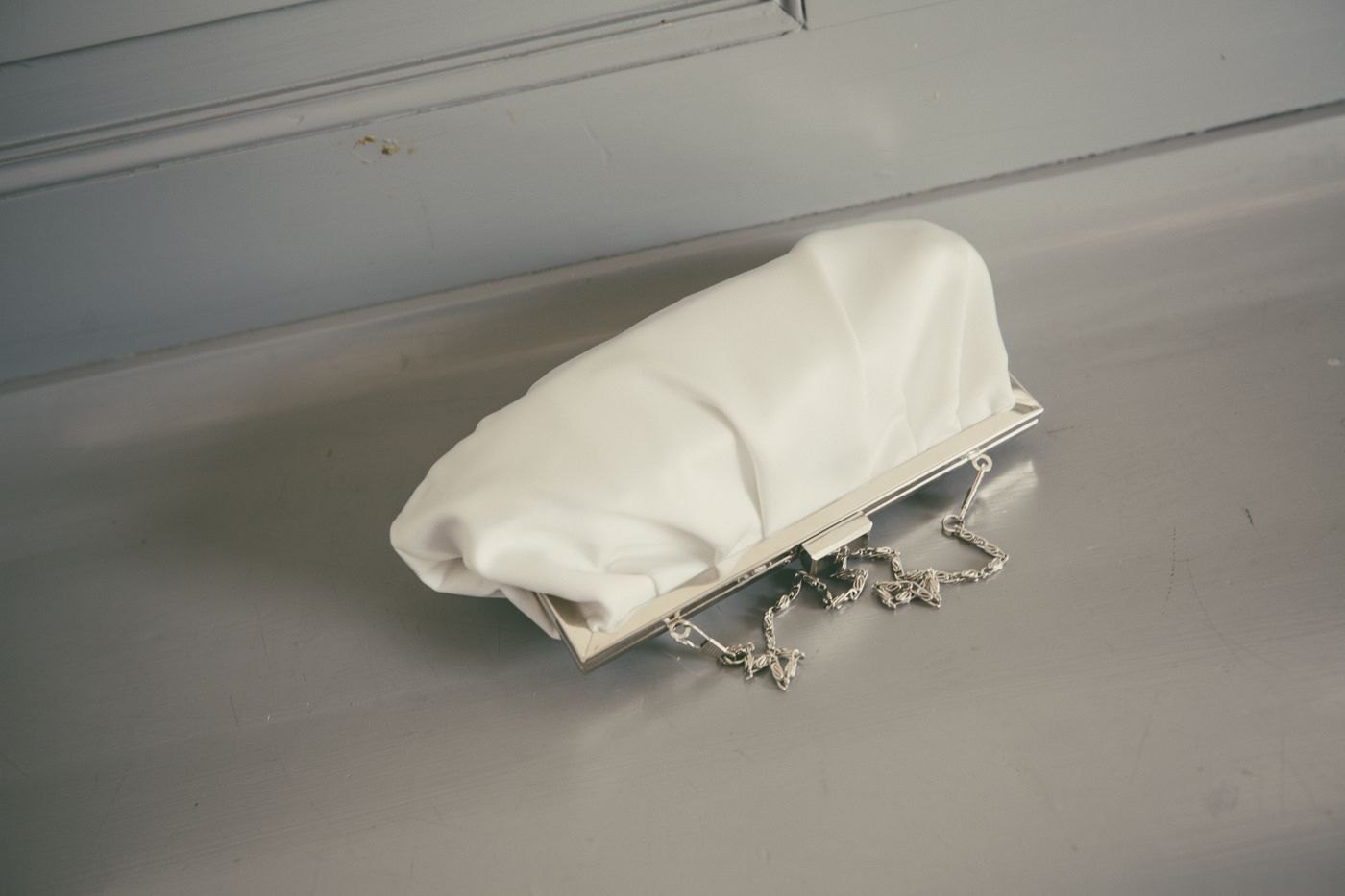
Check the phone and keys first; the rest of the evening can fit around those constraints.
Accessories
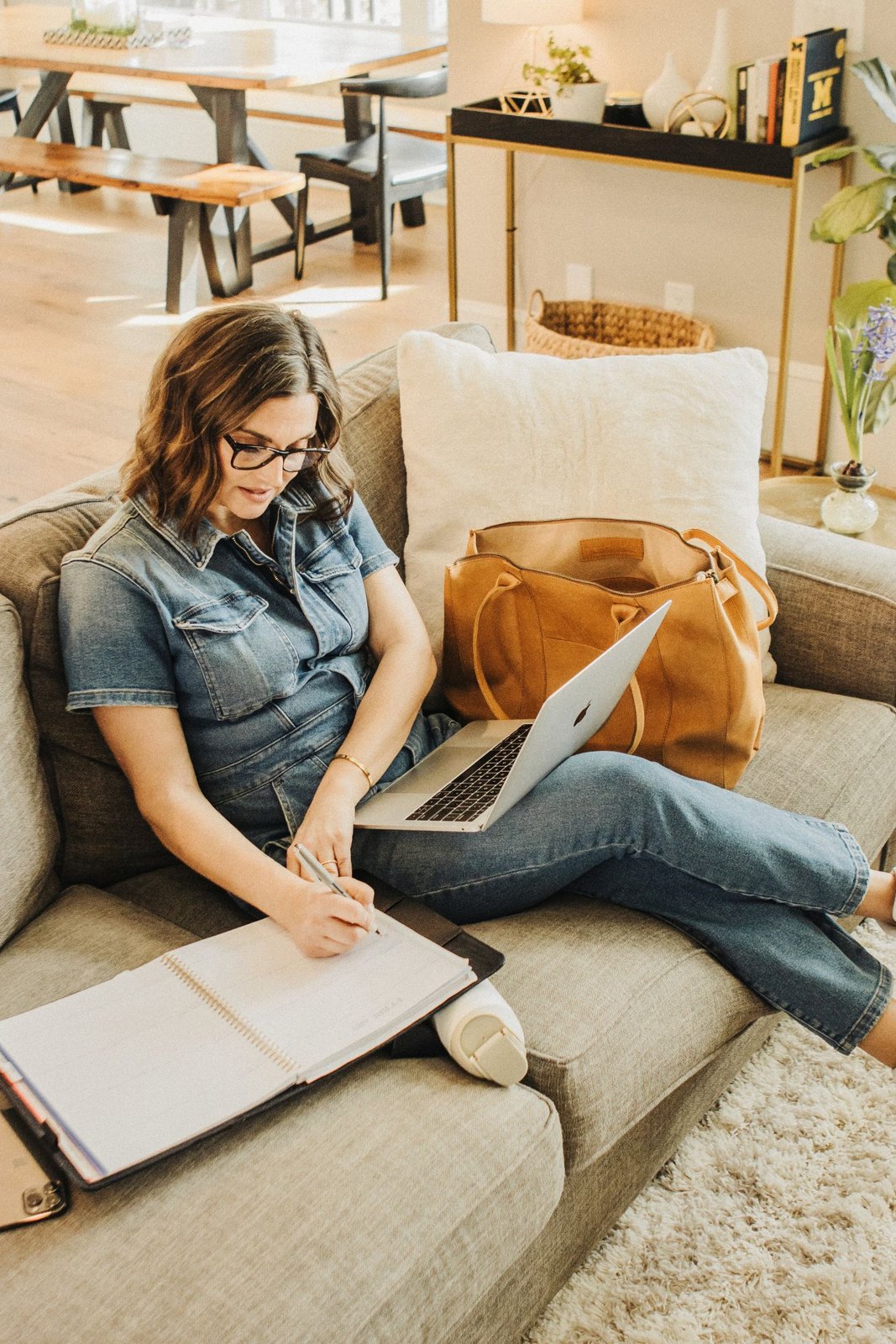
Laptop fit is only the first test; the loaded bag also needs to work on the journey.
Accessories
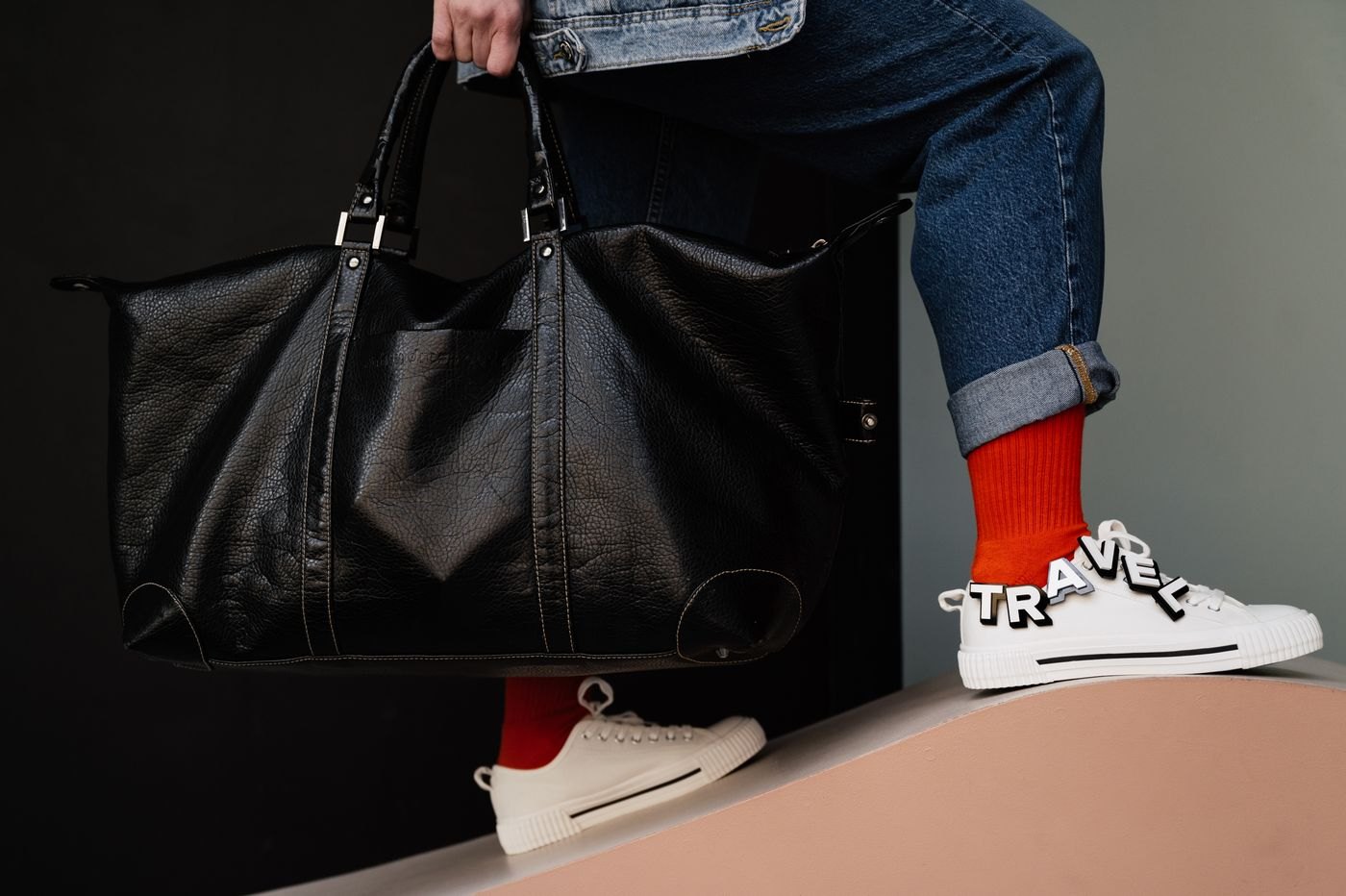
Choose what travels first, then see whether the bag remains comfortable to lift and carry.
Accessories
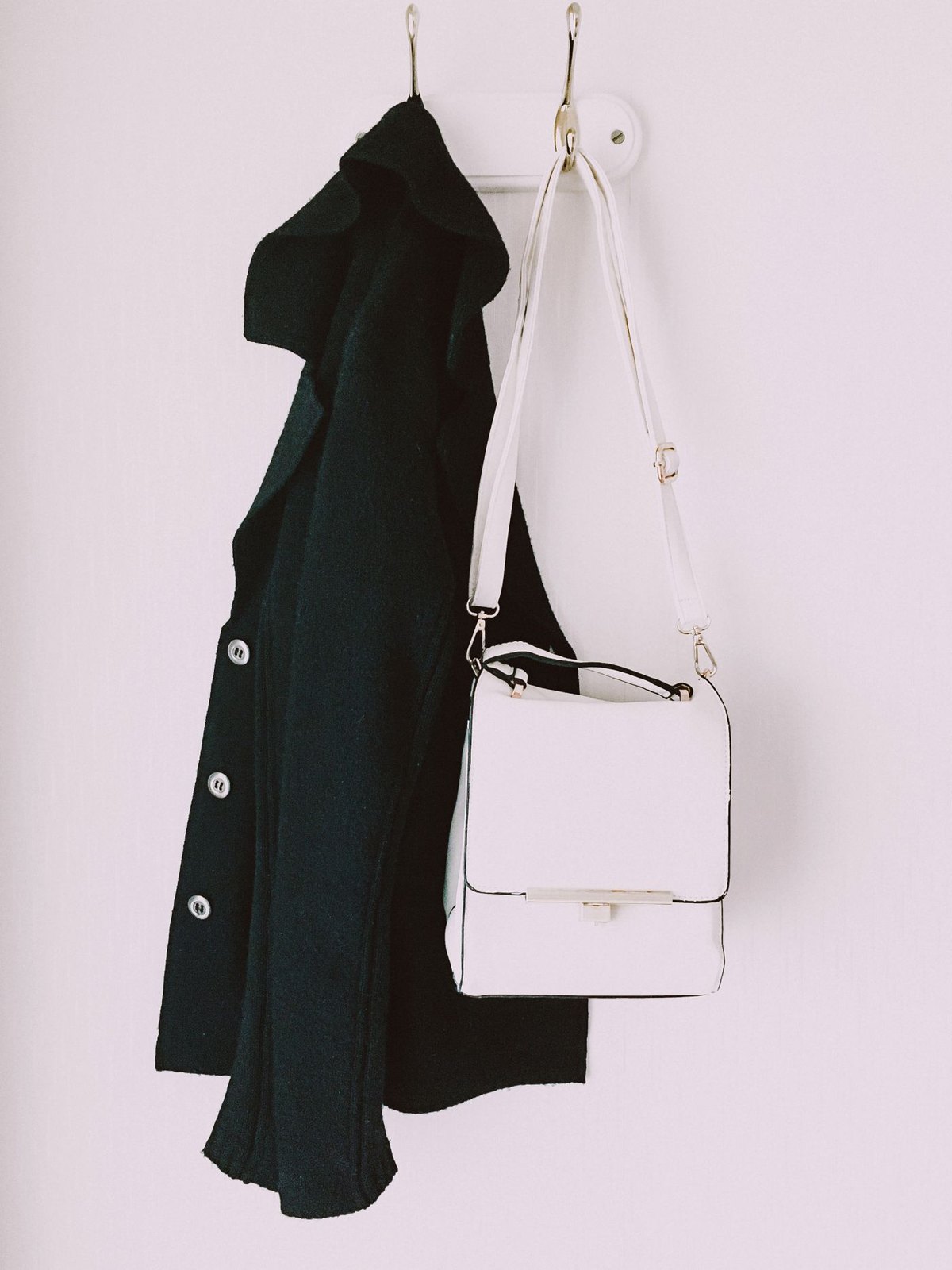
A strap, sleeve and lapel share the same space, so try them together.
Accessories
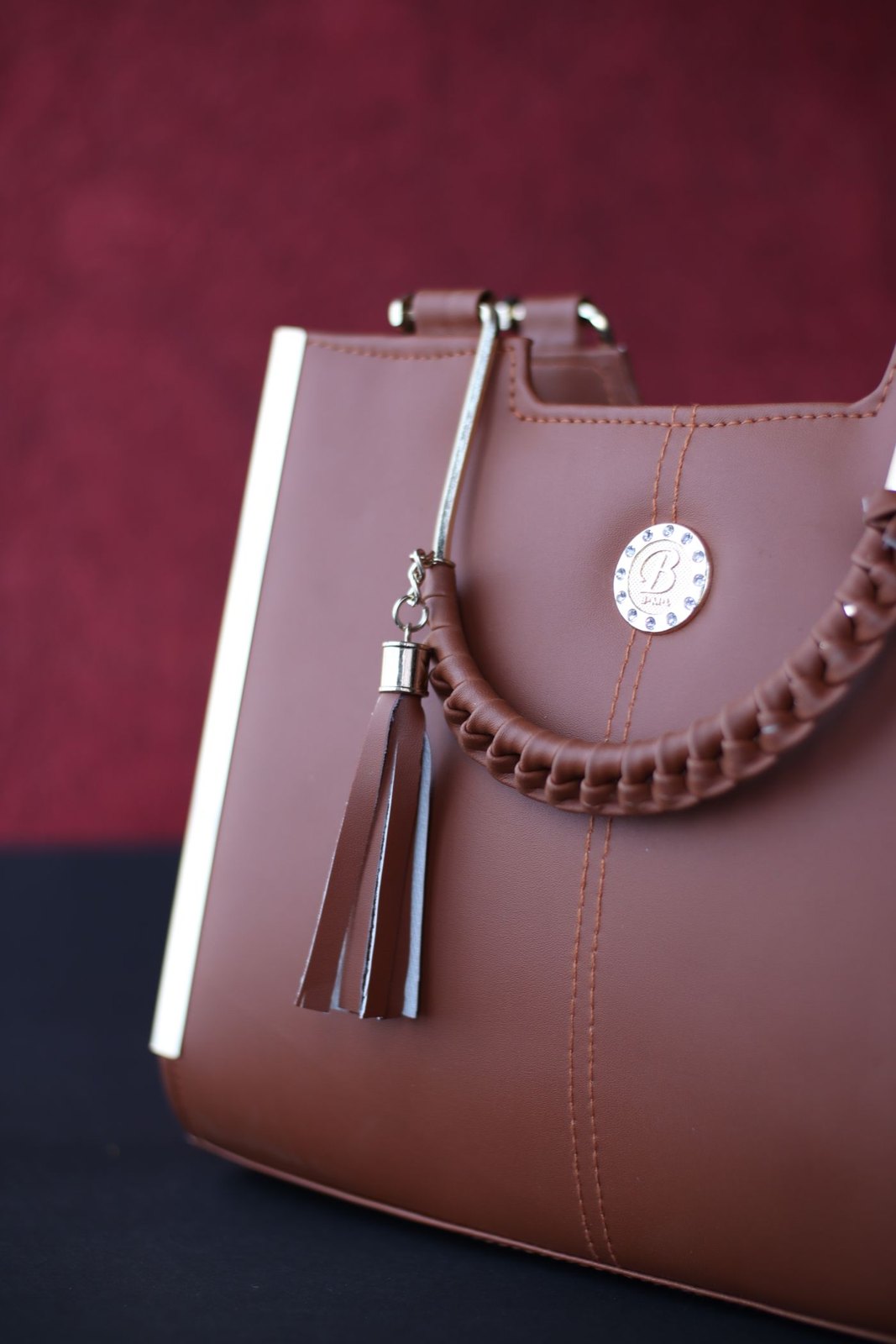
Compare each colour beside the clothes and shoes you repeat, rather than choosing it in isolation.
Accessories
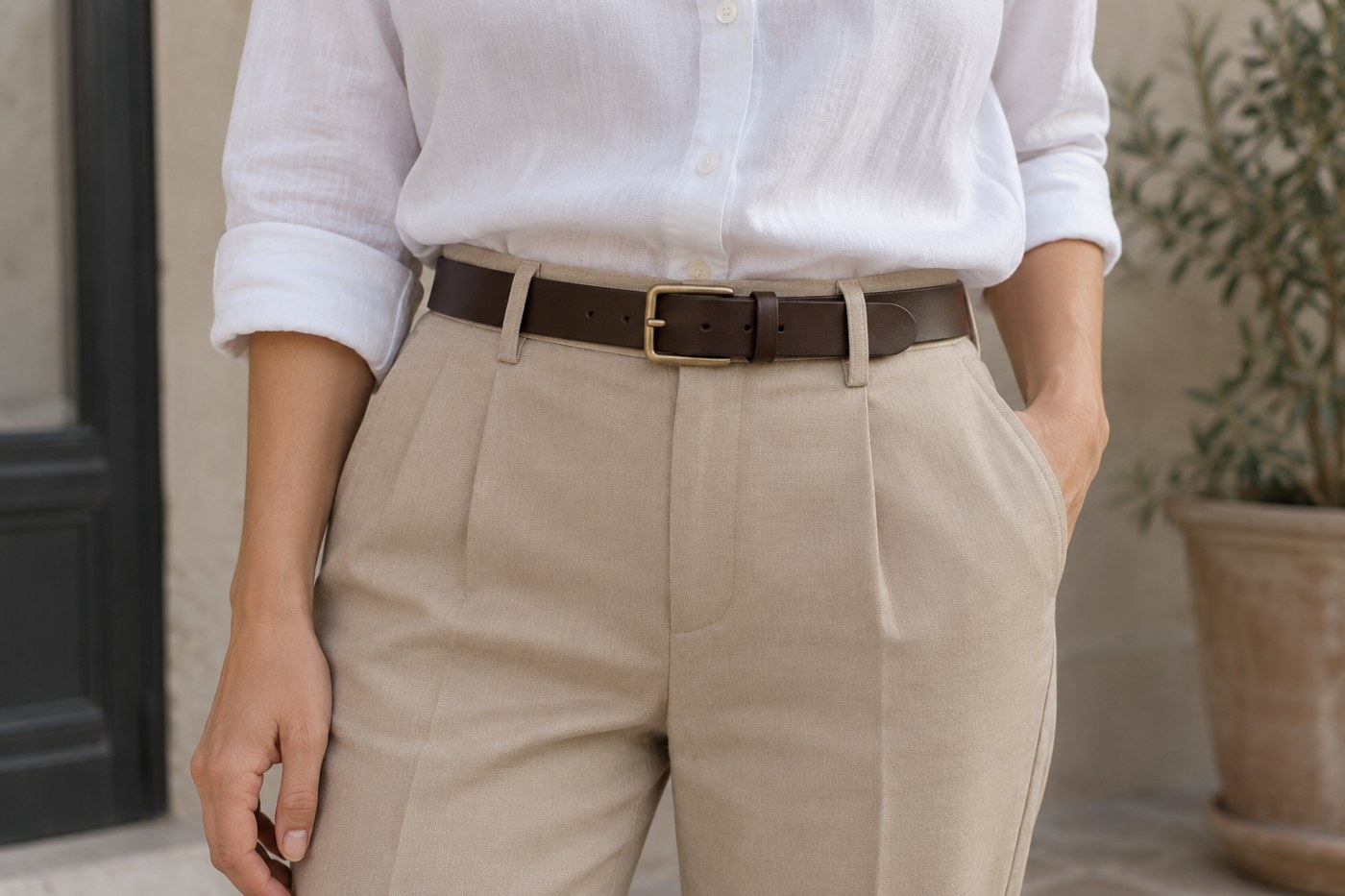
The belt needs room inside the loops and a proportion you enjoy with the clothes around it.
Accessories
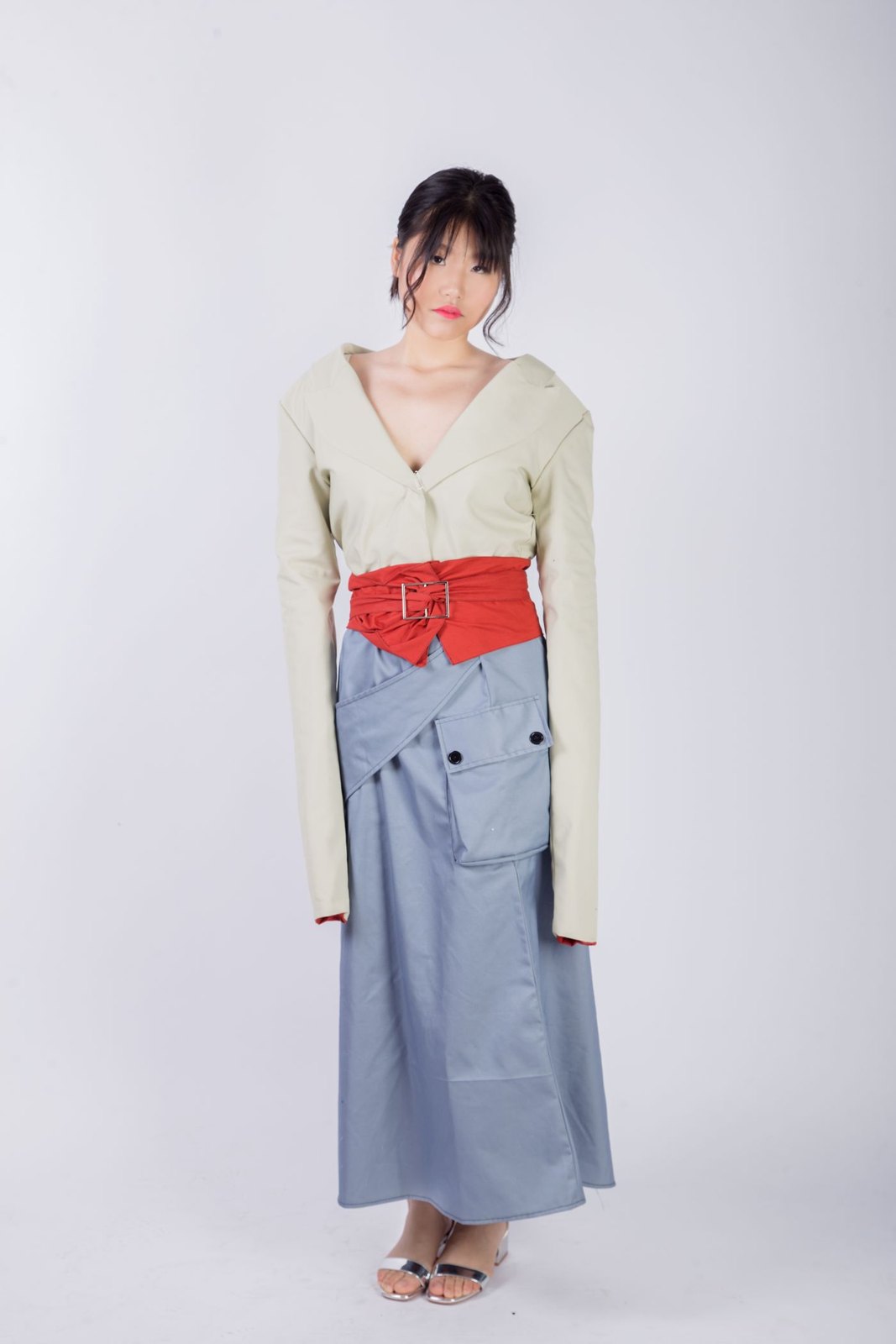
Let the layer keep some movement when adding a line at the waist.
Accessories
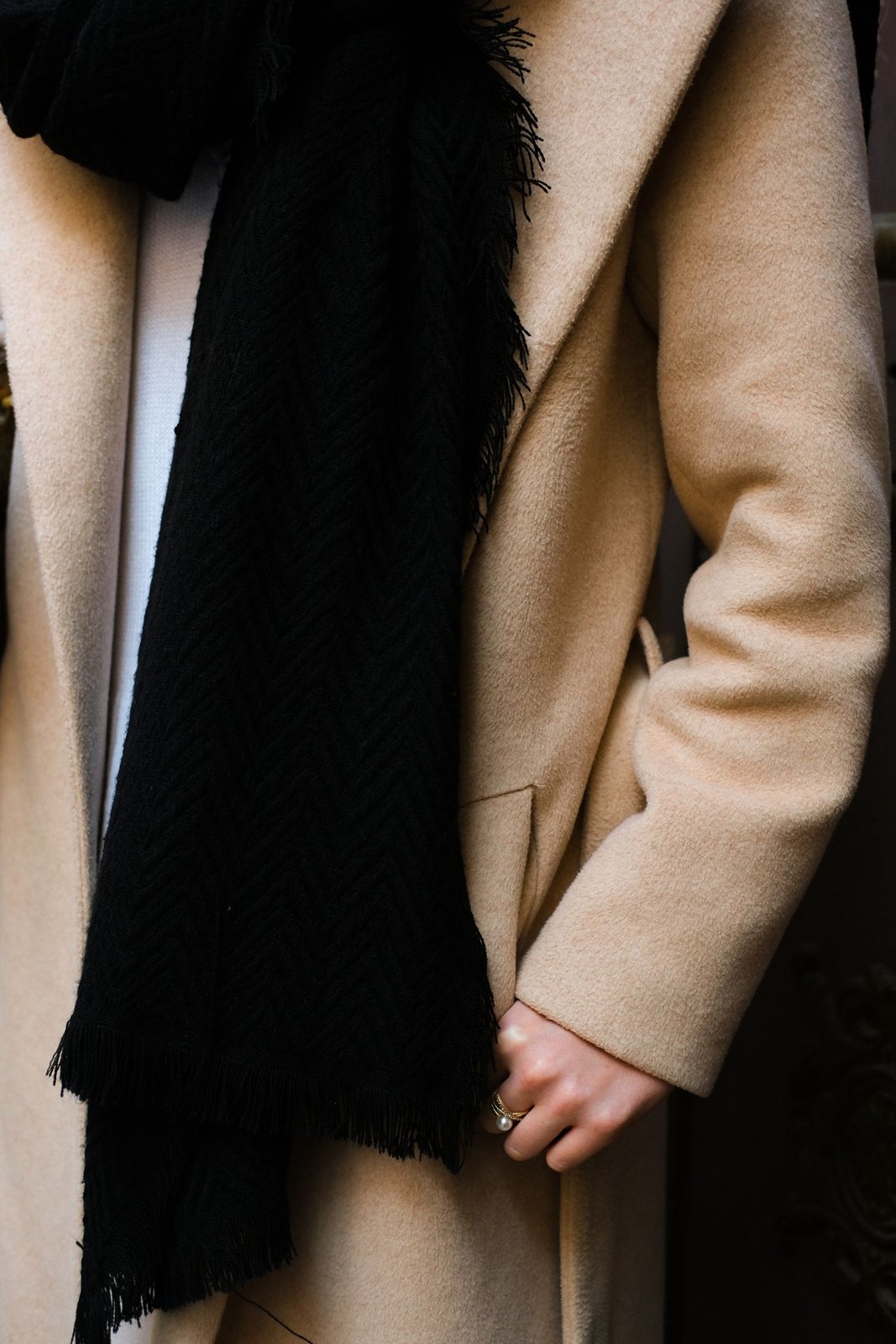
Choose the scarf arrangement with the coat fastened and the collar in its normal position.
Accessories
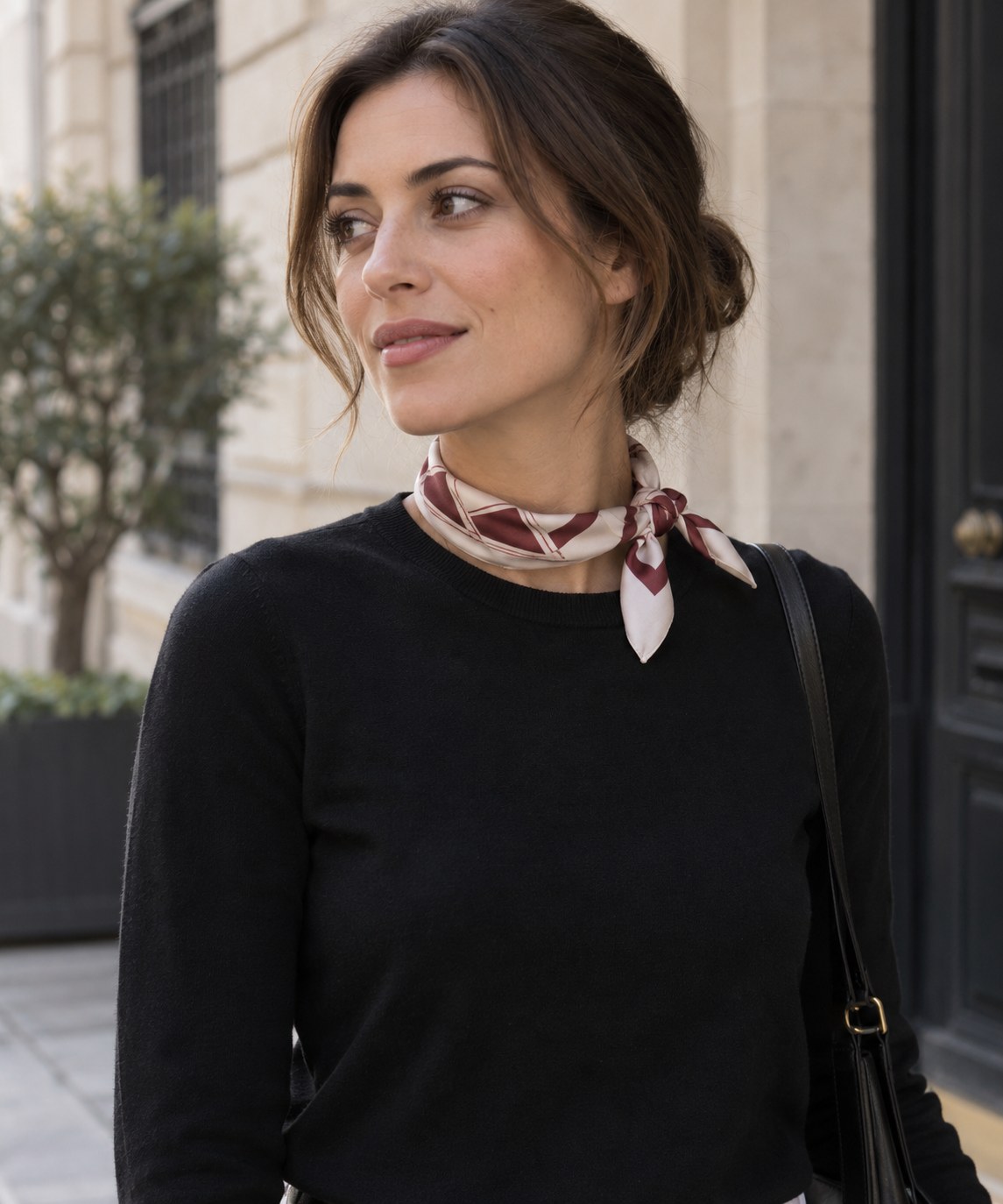
Use one small scarf as a detail, and check that the knot suits where it is worn.

Accessories
A thick scarf needs space as well as length, especially beside a high collar or hood.

Accessories
Bring your ordinary hair arrangement into the try-on instead of treating it as a later detail.
Accessories
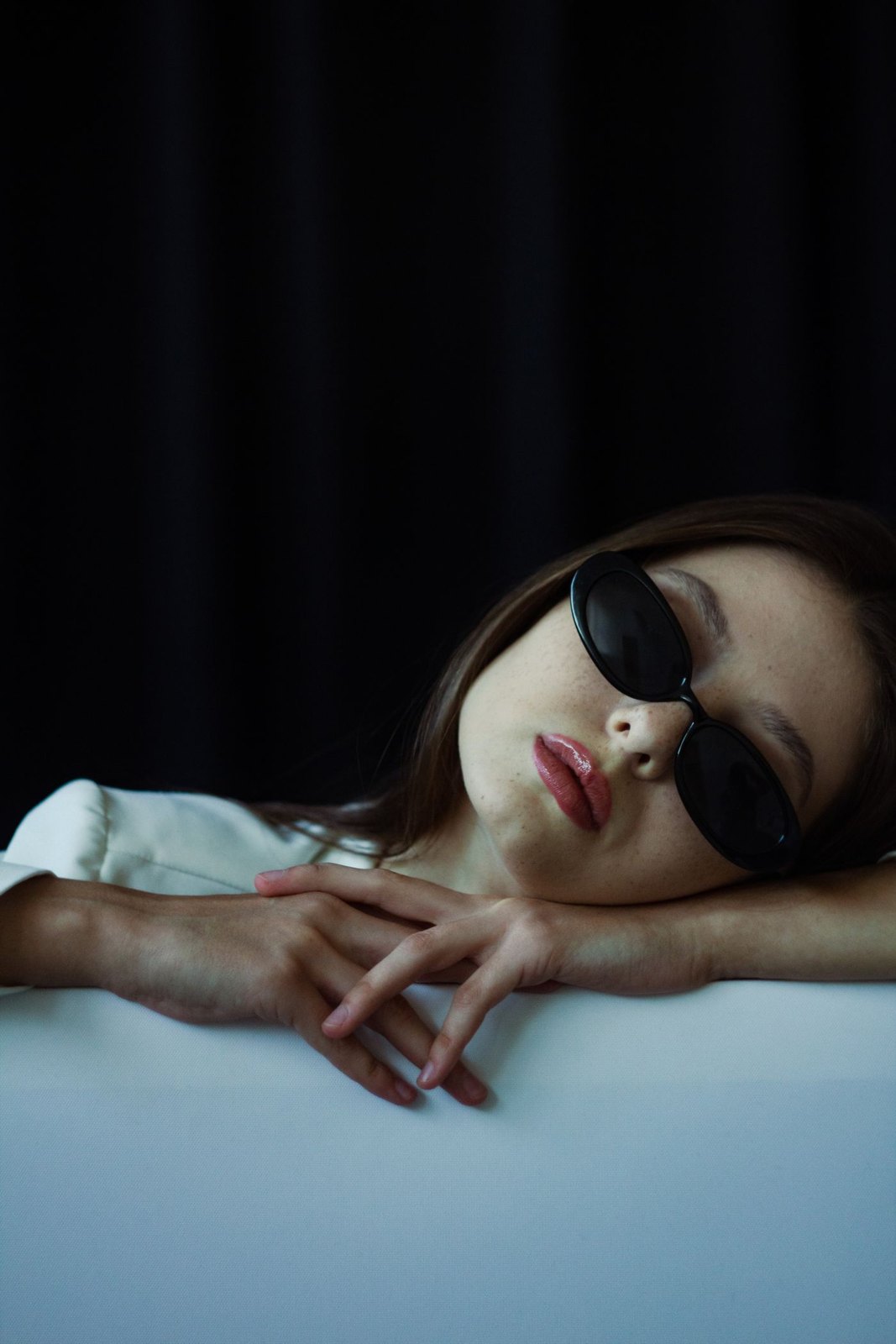
A frame can suit your outfit and still slide, pinch or touch your cheeks. Spend a few minutes checking the fit before choosing.
Accessories
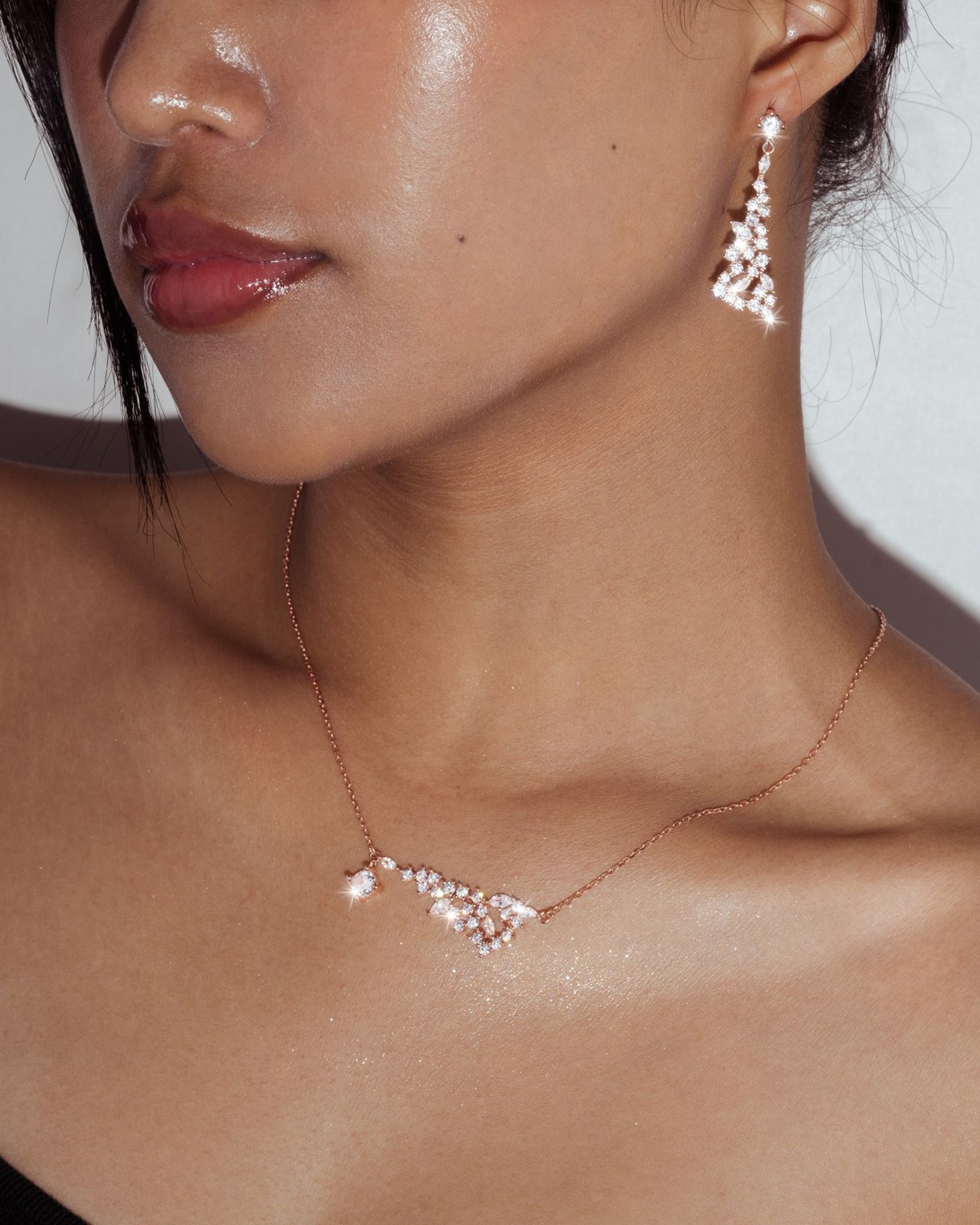
Compare earrings with the neckline you are wearing, rather than choosing them in isolation beside the jewellery box.
Accessories
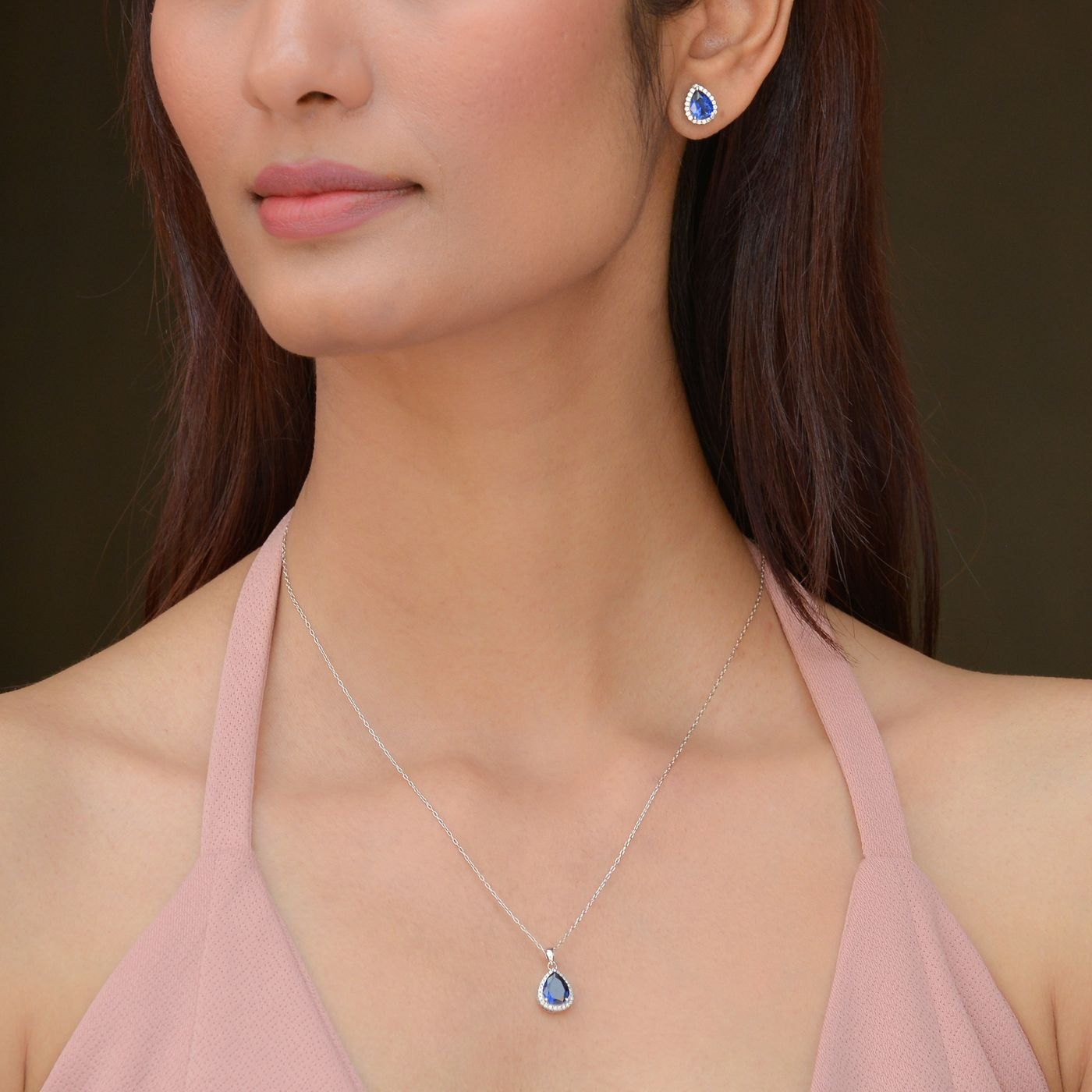
A pendant resting above, on or below a neckline creates three different relationships with the same top.
Accessories
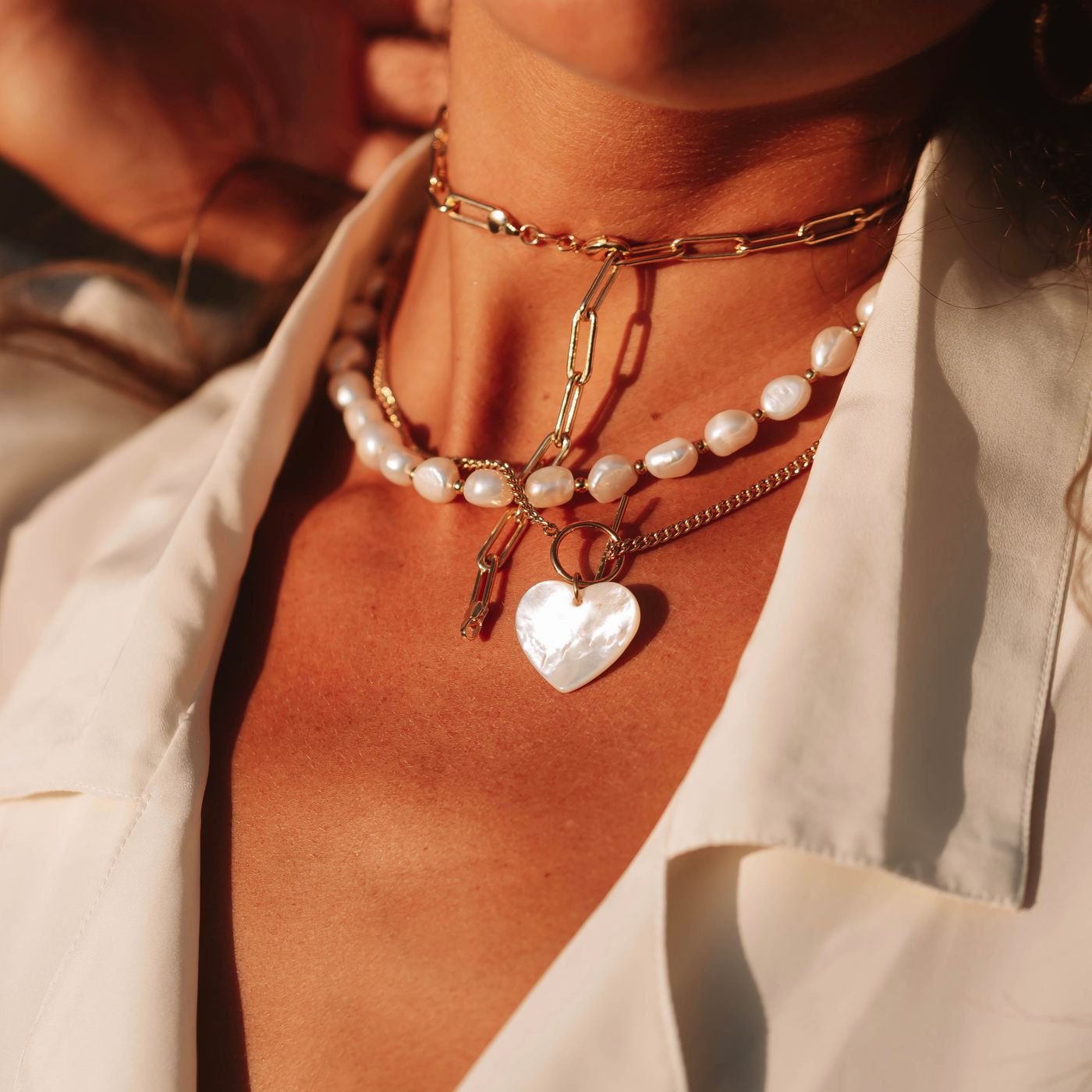
A layered arrangement is easier to read when each necklace has room to sit and move without immediately joining the others.
Accessories
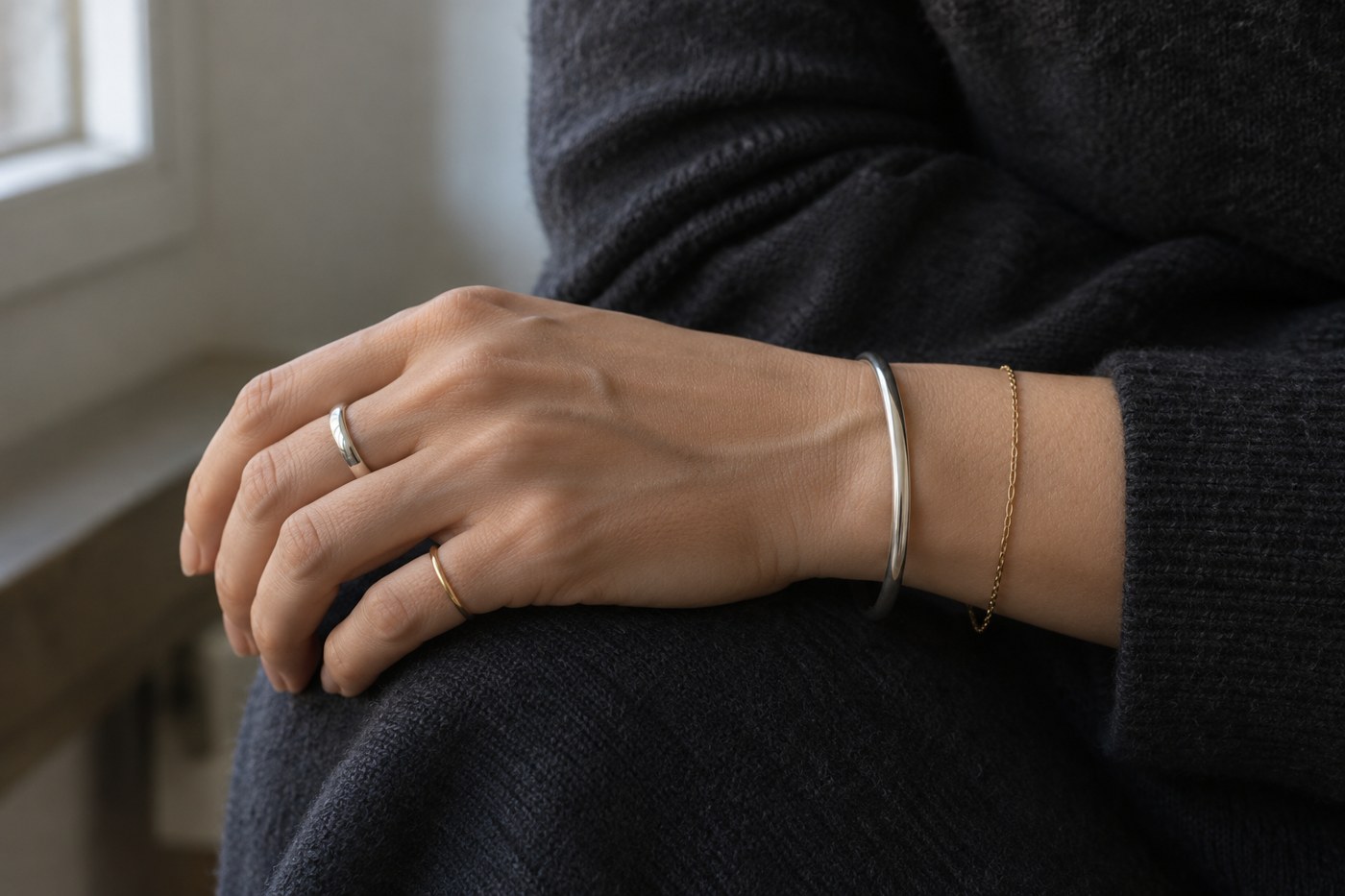
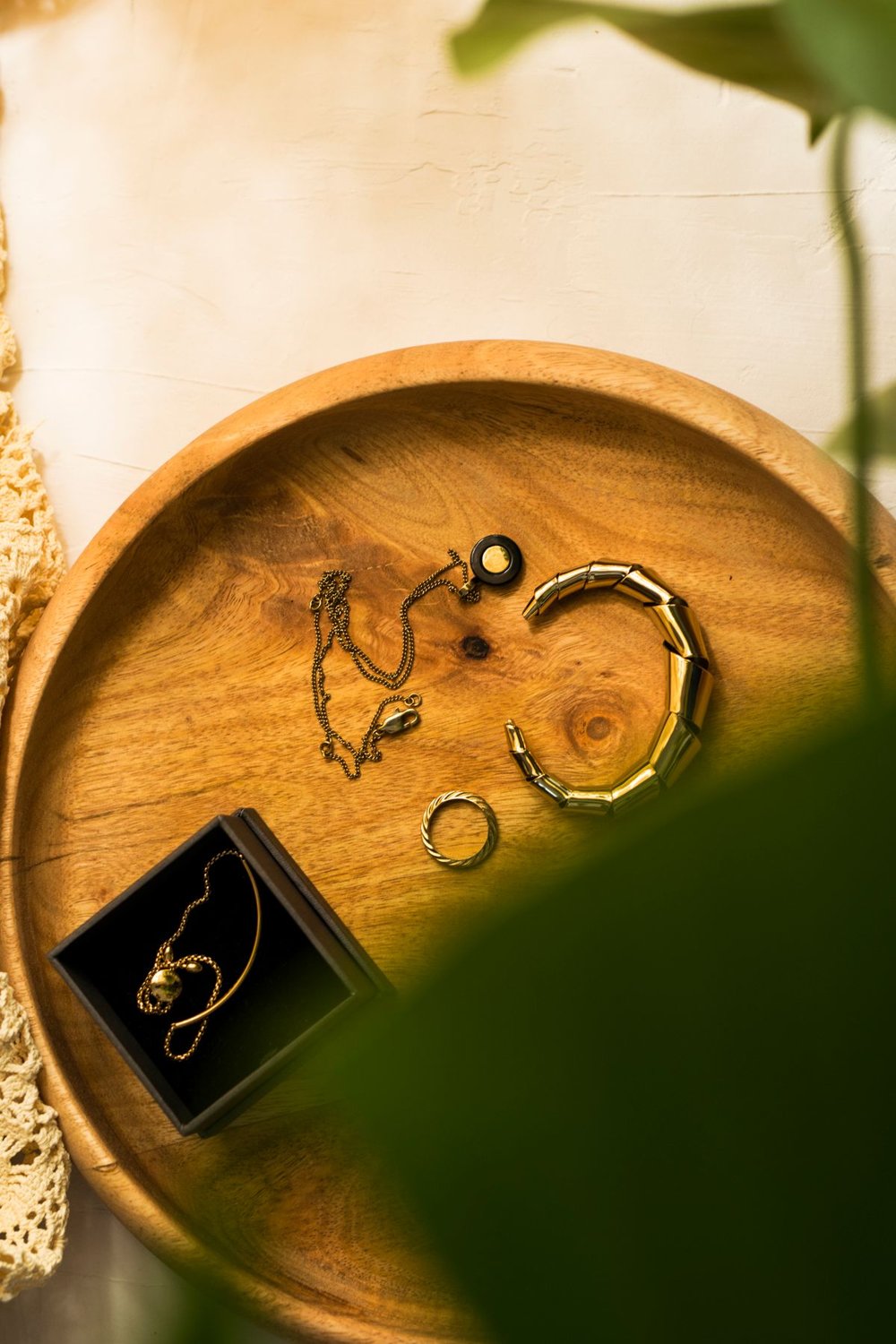
Gold-coloured and silver-coloured jewellery can share an outfit. Repetition and scale help the combination feel intentional.
Accessories
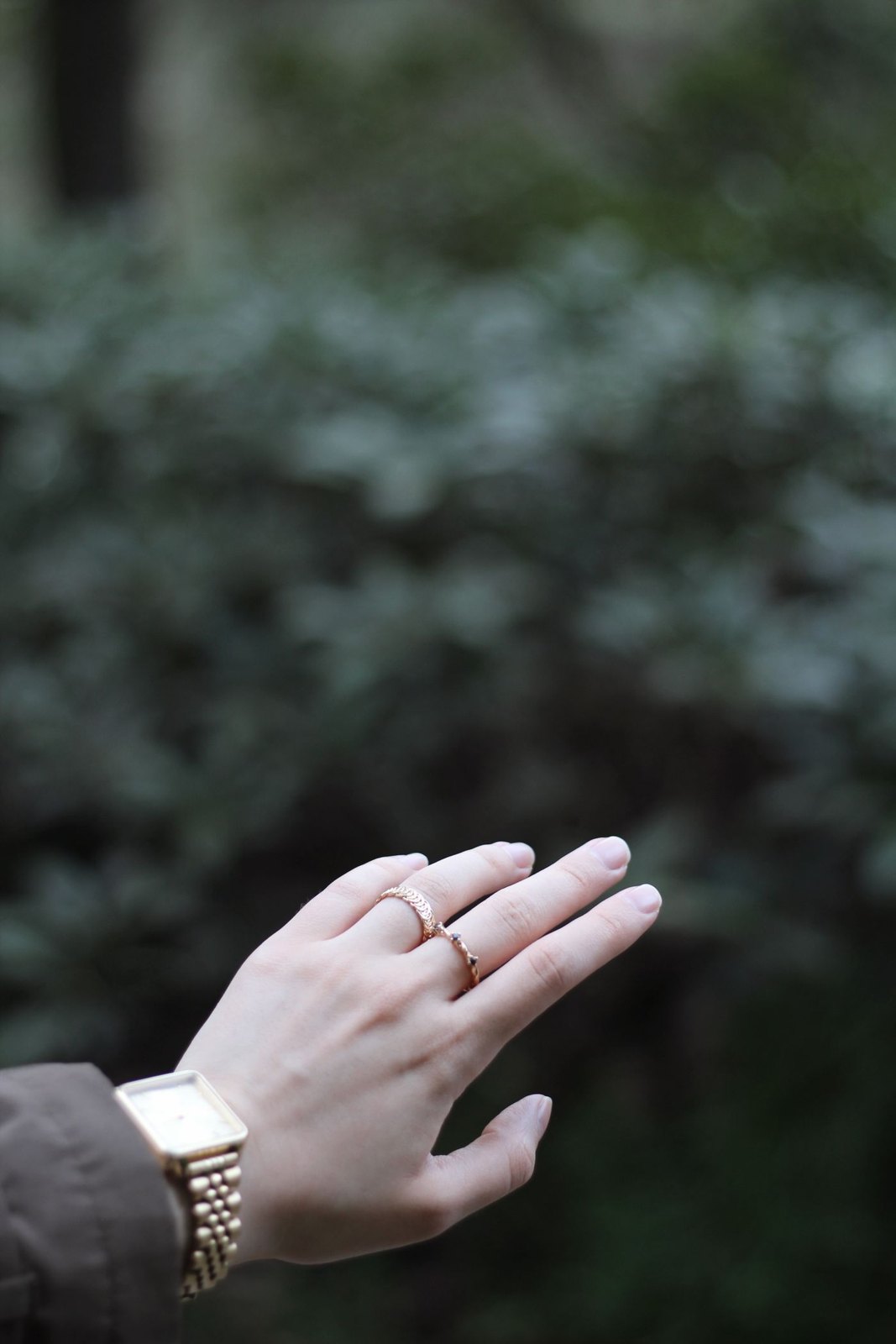
Choose rings for the way your hands move through the day, including typing, carrying bags and reaching into pockets.
Accessories
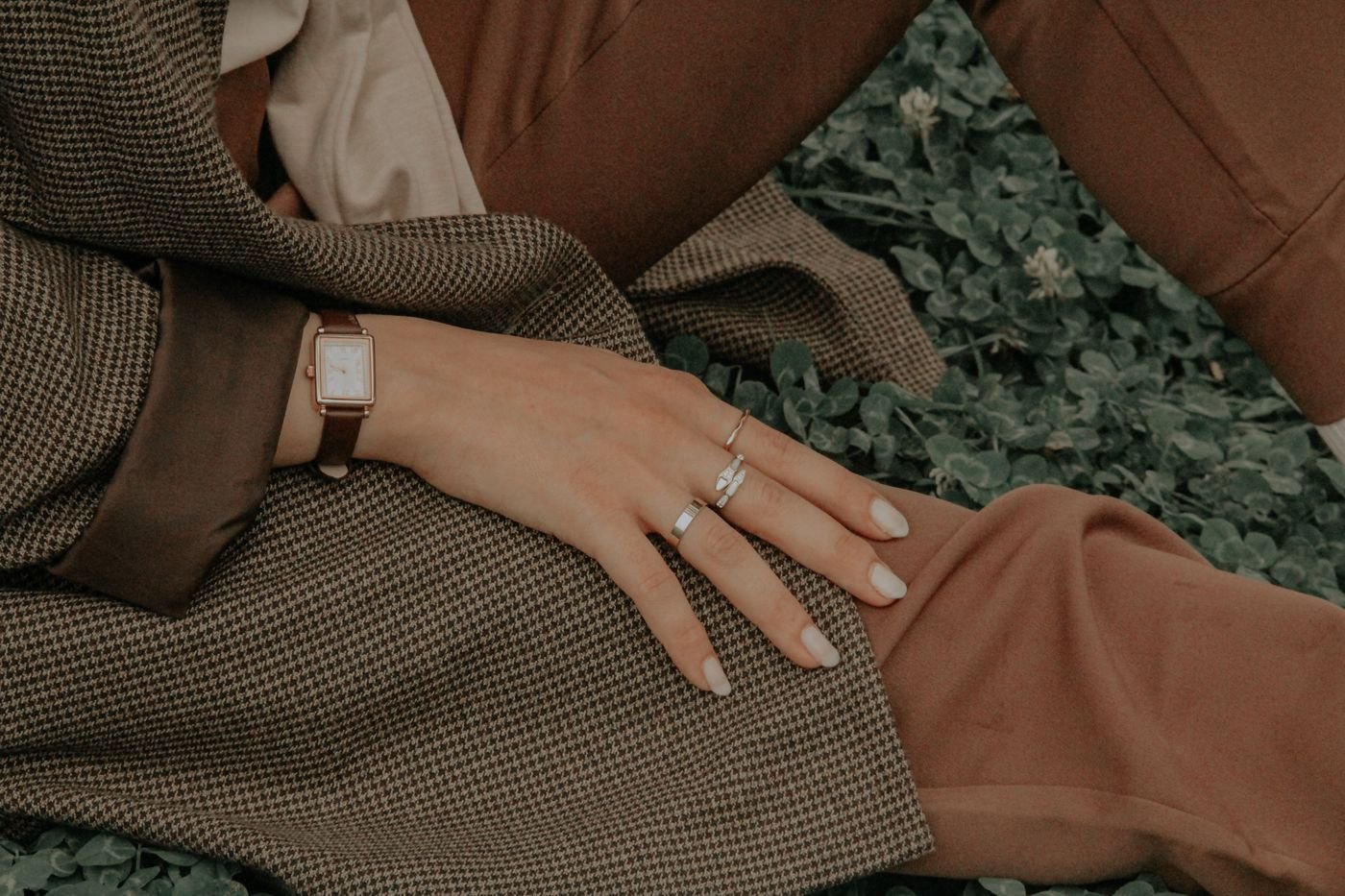
The useful bracelet length is partly a question of what your sleeve is doing beside it.
Accessories
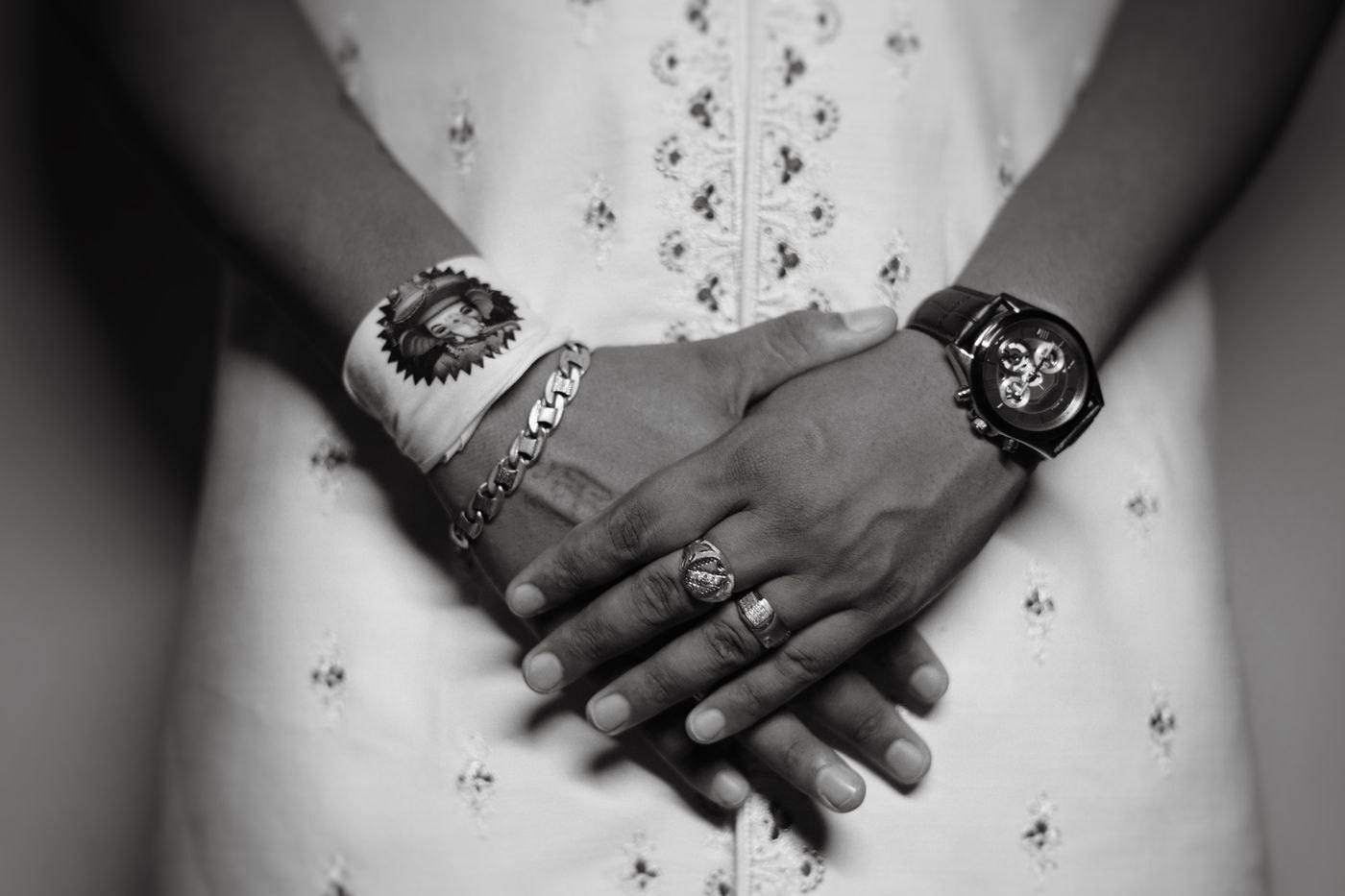
A watch already occupies space at the wrist. Build the rest of the jewellery around its size, finish and everyday use.
Accessories
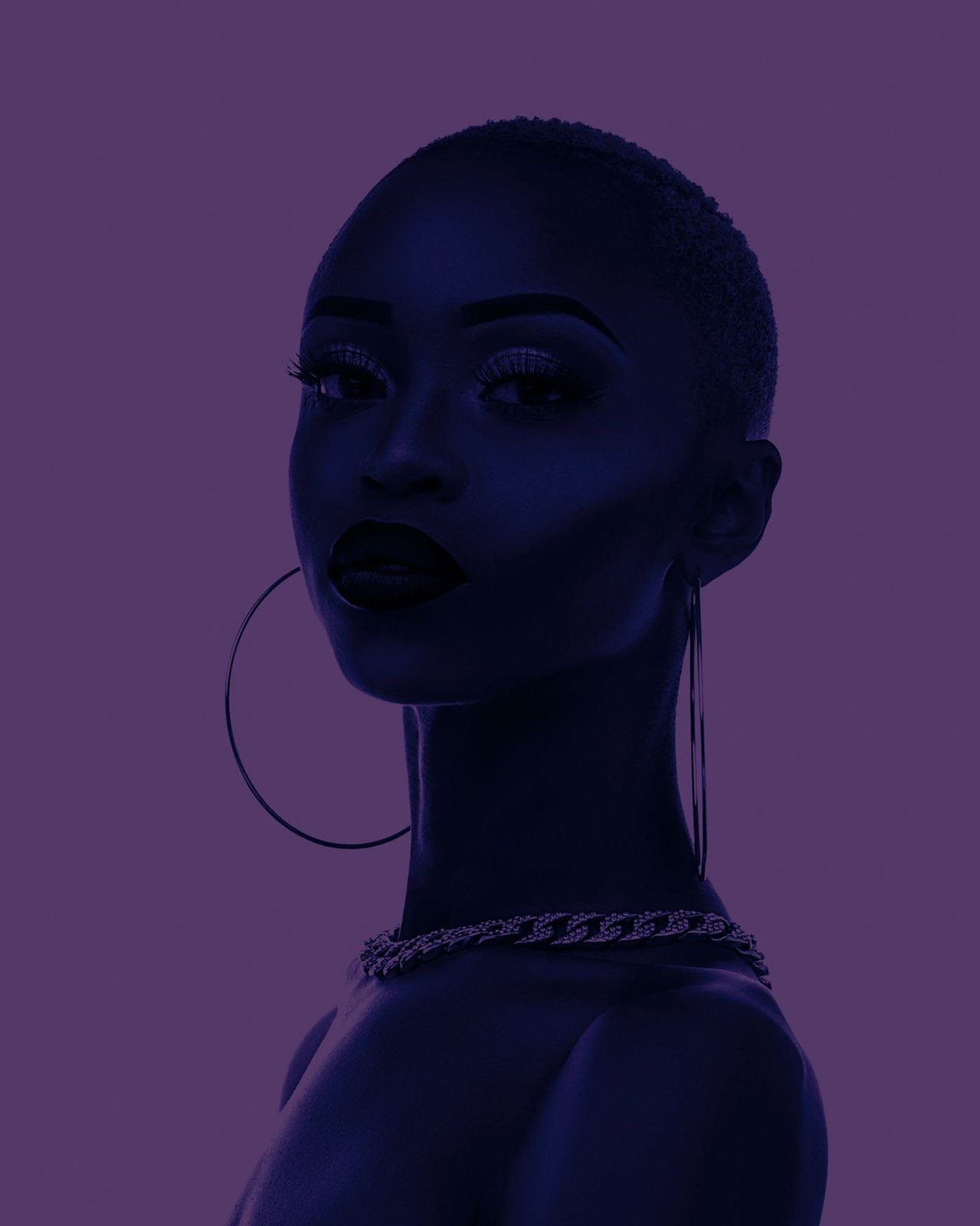
A prominent accessory is easier to enjoy when the rest of the outfit gives it enough room to be noticed.
Accessories
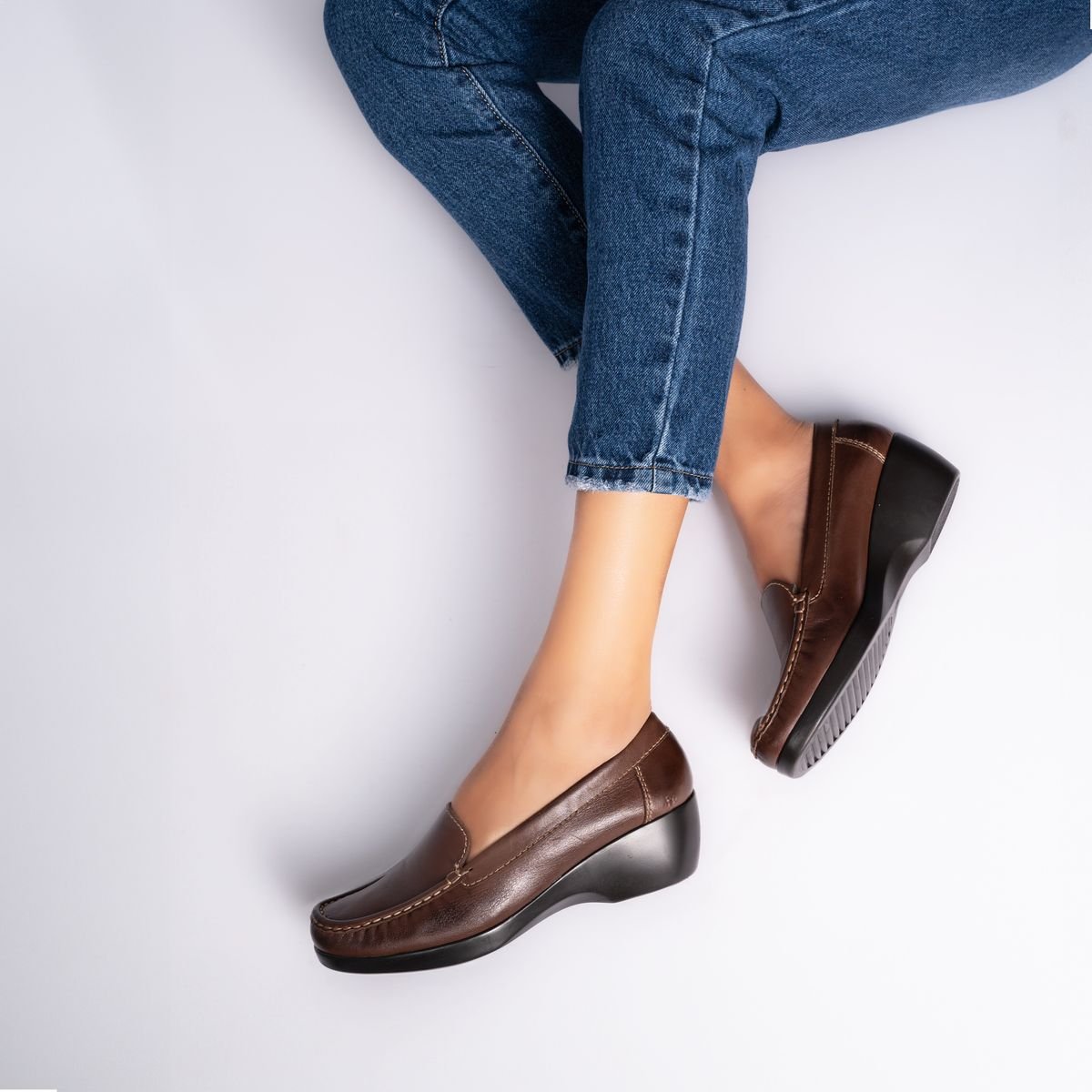
The first few steps tell you more than the view in a mirror. Look at the heel, toe space and where the upper bends.
Accessories
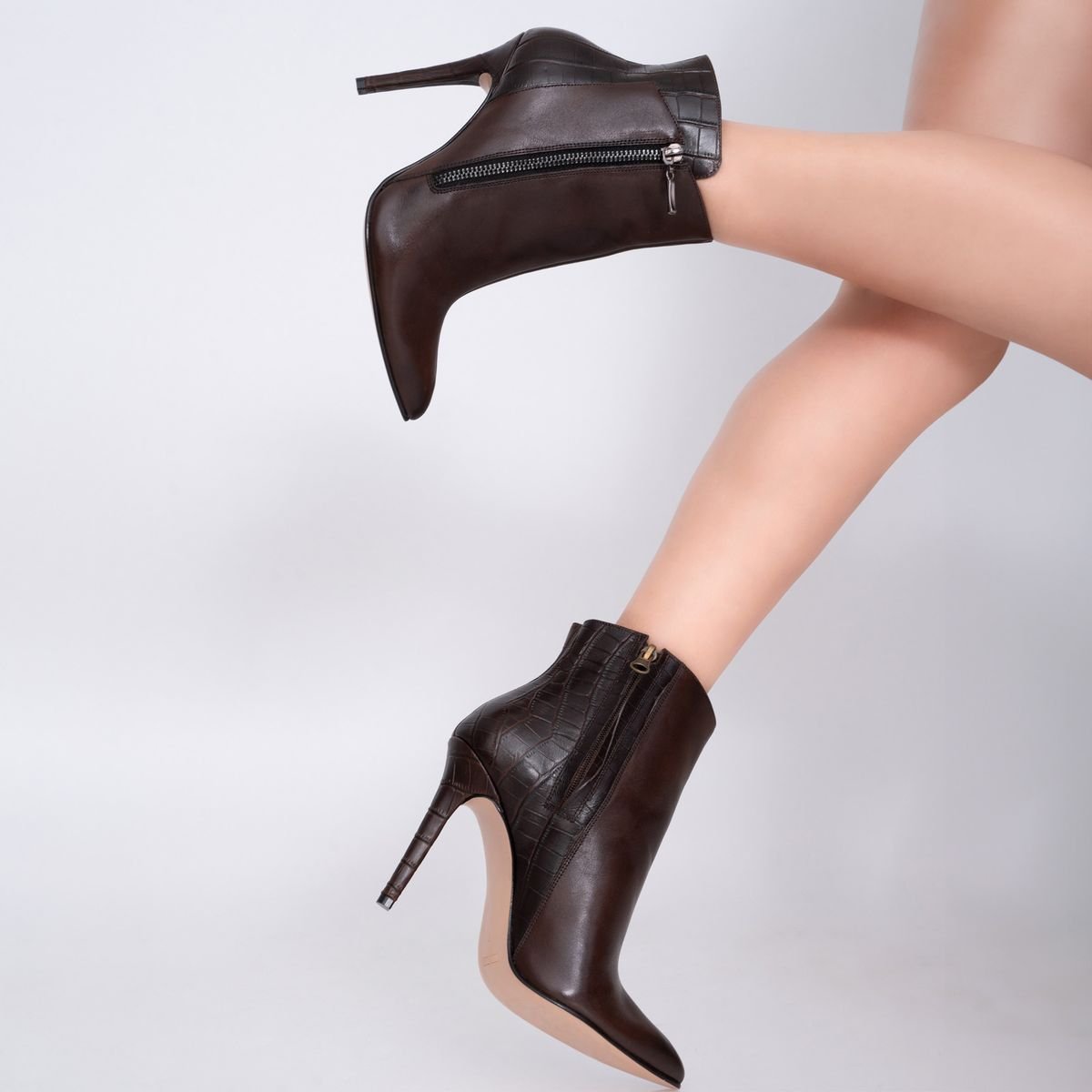
The top of a boot meets a hem, a trouser leg or bare skin. That meeting point deserves its own fitting-room check.
Accessories
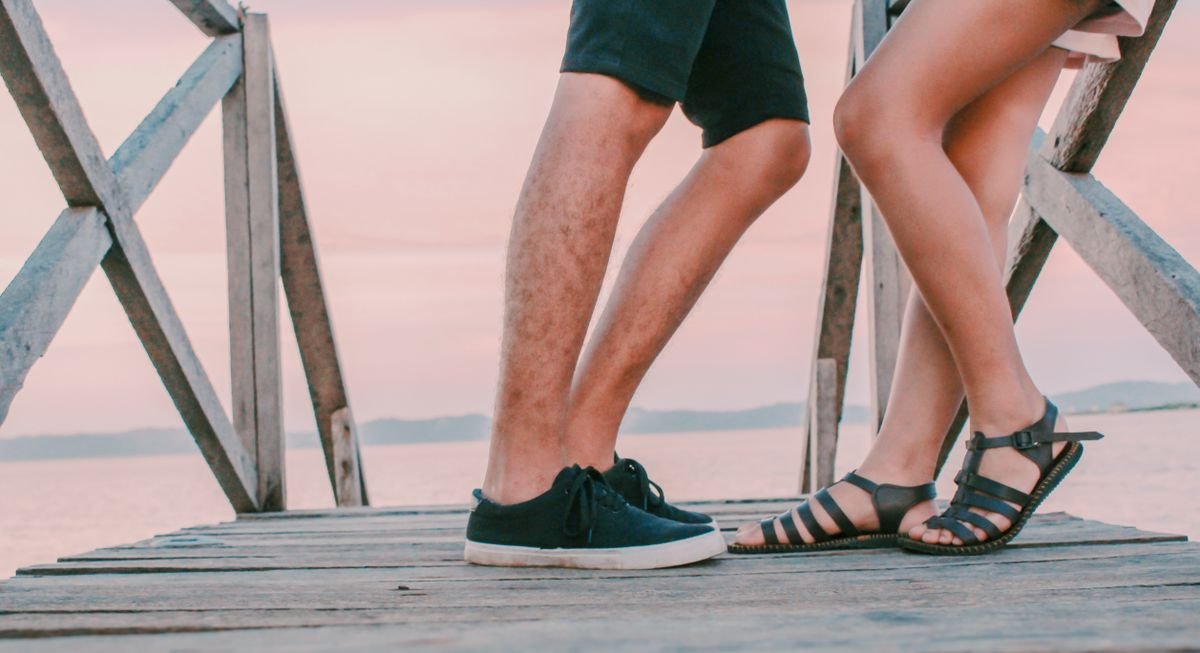
A sandal can look light and still feel awkward to walk in. Try the straps, fastening and sole as a complete arrangement.
Accessories
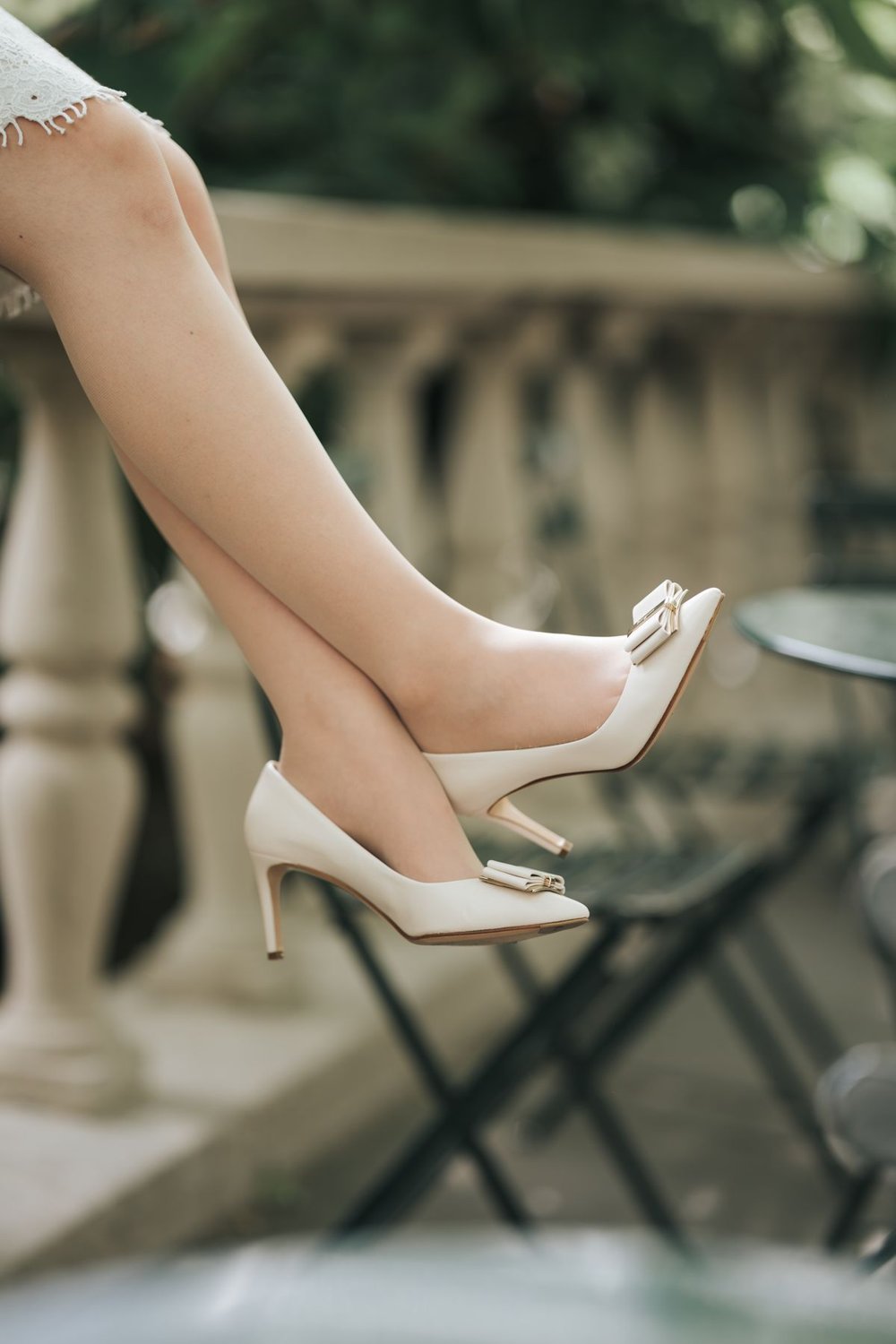
Put the shoes through a rehearsal with the outfit and the kind of movement the event will involve.
Accessories
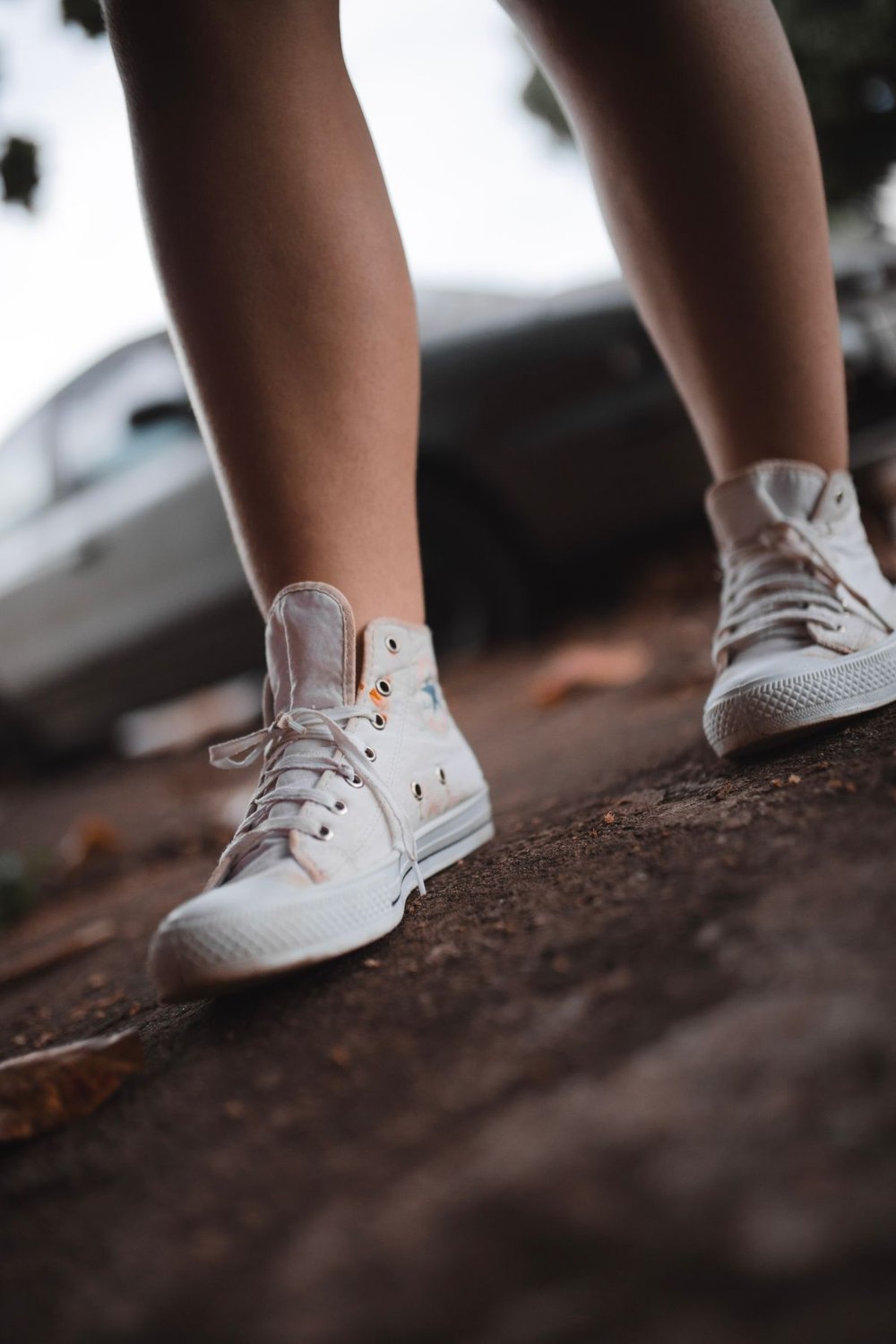
Start with the trousers and outerwear you repeat. A trainer colour earns its place through those combinations.
Accessories
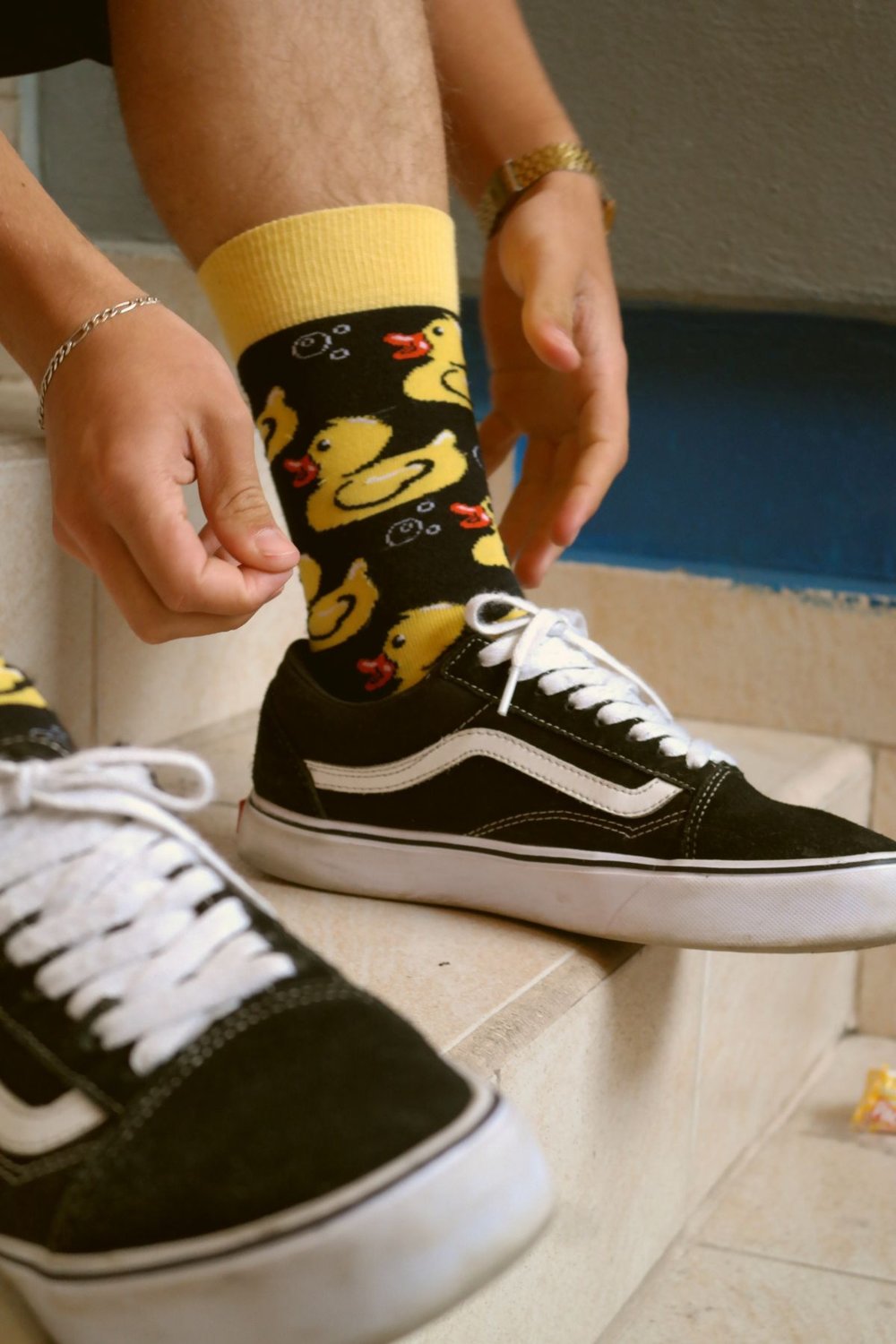
The strip between shoe and hem can echo a colour, interrupt it or become the detail people notice first.
Accessories
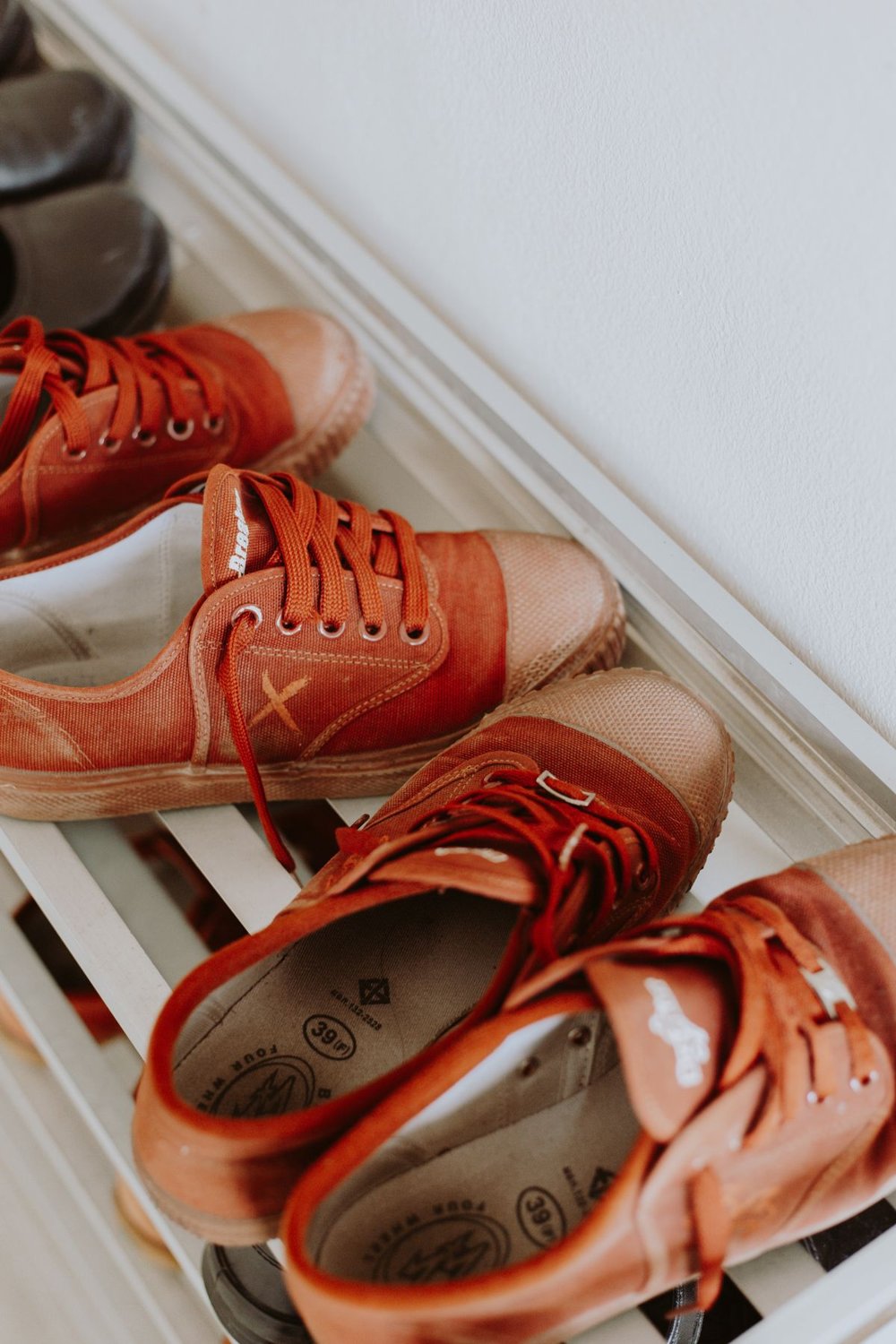
A small place for the pairs in use is more useful than a doorway full of every shoe you own.
Accessories
Put the pieces together before adding another. The empty spaces in a collection are not always gaps that need filling.