Begin with the new invitation
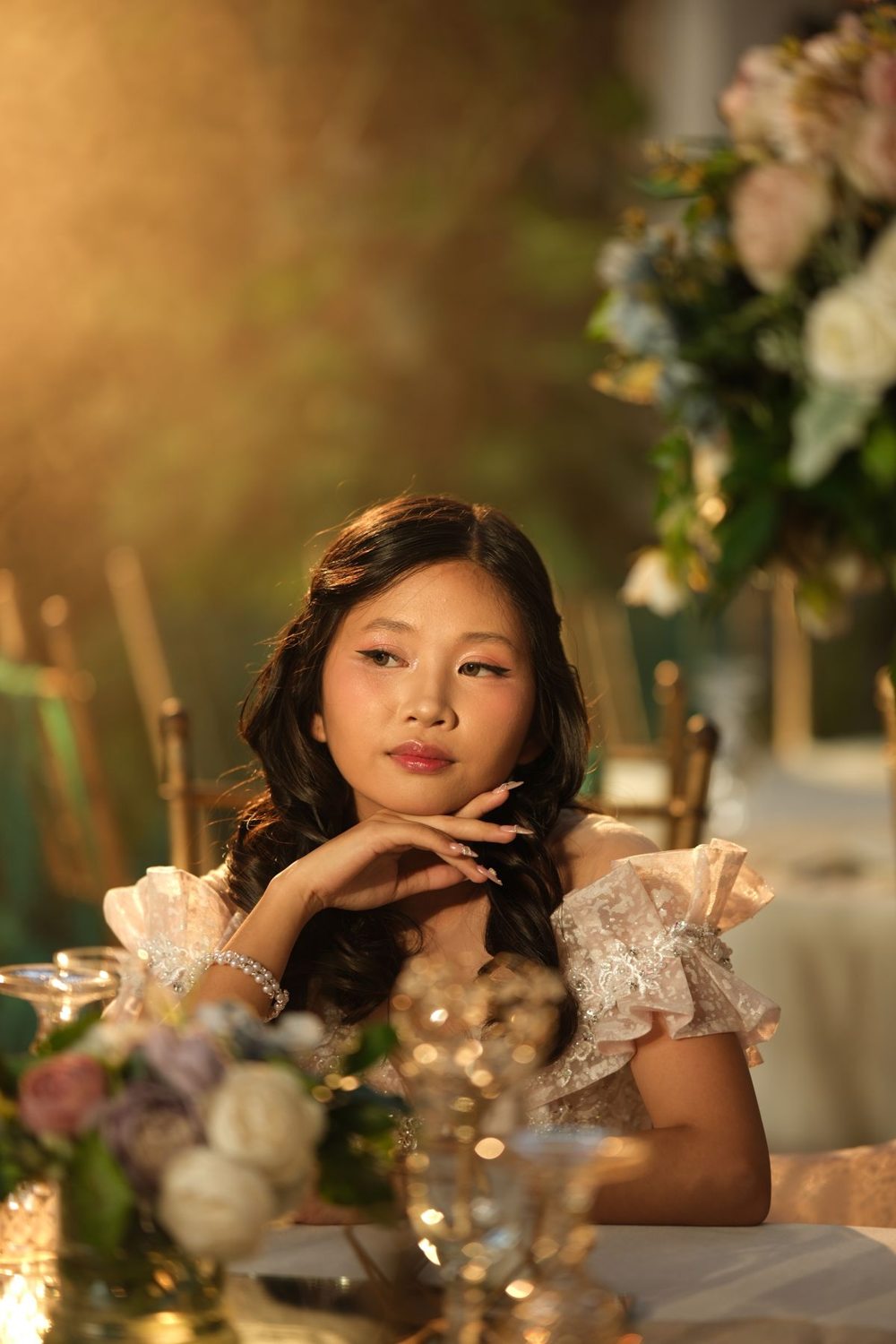
Before changing anything, compare the two occasions. A daytime wedding, an evening dinner and a garden celebration may have different dress codes and different weather. The fact that a garment has been worn to one event does not prove it belongs at the next, but it does not exclude it either.
Read the new invitation and consider the location. Will you be on grass, indoors, standing for a long time or travelling between venues? Those details affect shoes and layers more directly than the question of whether anyone has seen the outfit before. If the dress code is unclear, ask the host a specific question early enough to use the answer.
Check the garment before planning the changes
Take the outfit out well before the event. Look for marks, loose fastenings and any damage from the previous wear. Try it on with the underwear you intend to use. Fit can change, and a garment that felt comfortable for a short evening may need reconsidering for a longer day.
Use the care label and allow time for appropriate cleaning or repair. Do not leave a stain or missing button until the night before. If professional work is needed, ask about timing before building the whole plan around that piece. Rewearing is easier when the clothes are ready, rather than merely remembered fondly.
Change the frame rather than every detail
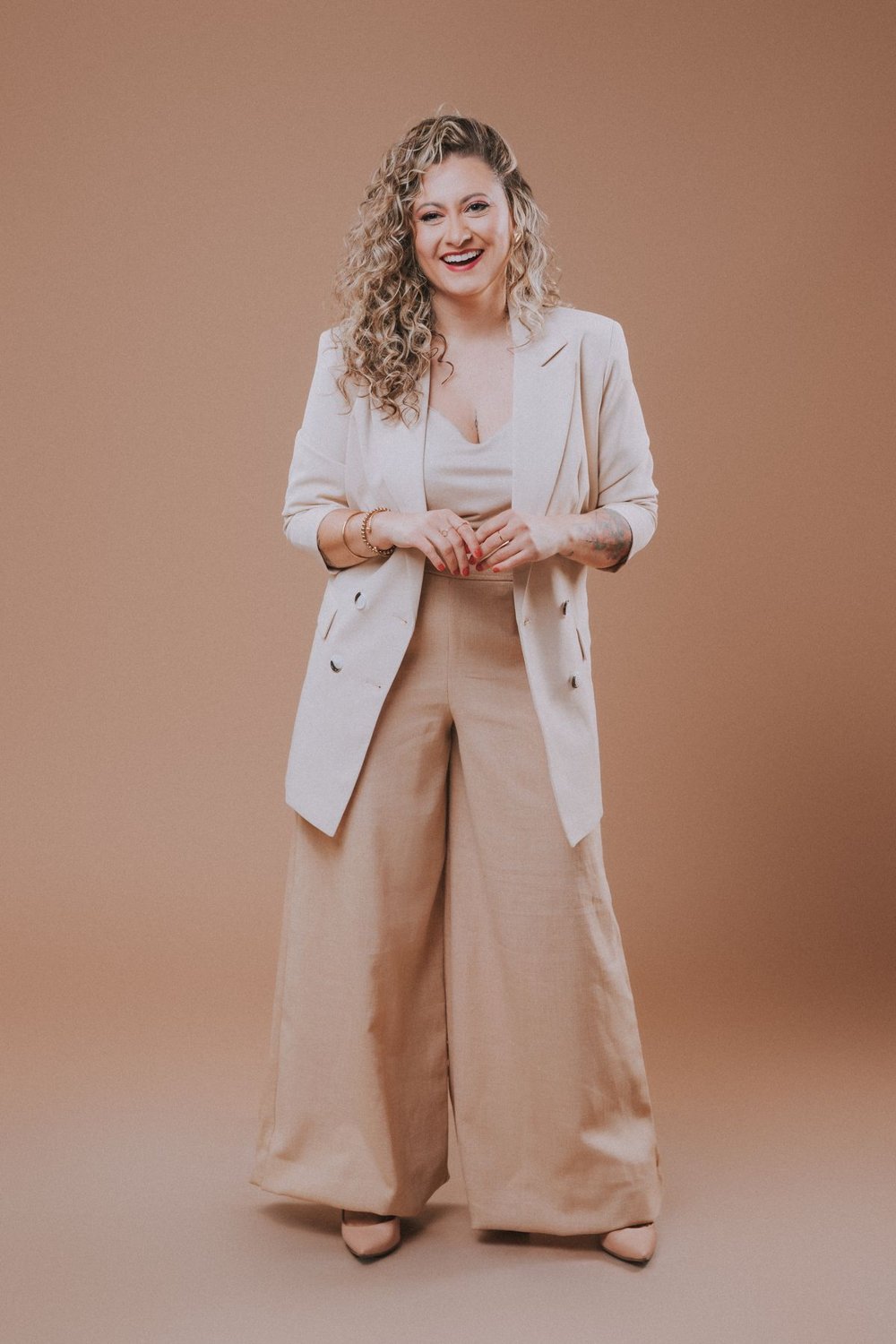
A different jacket, wrap or cardigan can alter how much of the outfit is visible. A structured layer may make a soft dress feel more formal; a lighter one can make it feel less arranged. Check the sleeves and neckline together so that the new layer works physically as well as visually.
You might also change the shoe and bag while leaving the clothing untouched. Try the new shoe with the hem, especially if it is lower than the original pair. A dress or trouser altered for a heel may not clear the ground with flats. The wish to make the outfit different should not introduce a preventable length problem.
Let one accessory carry the change
If the garment is plain, a scarf or piece of jewellery can move the emphasis. If it is already patterned or embellished, a quieter accessory may give it a different mood. There is no need to replace the entire set of extras to prove that this is a new occasion.
Choose accessories for comfort during the actual event. A large earring may be difficult beneath a coat collar; a clutch may leave your hands occupied at a standing reception. Think about where you will put the bag and whether it holds the items you need. These ordinary questions often lead to a more useful change than trying to create a completely new visual identity for the dress.
Consider a modest alteration only when useful
A removable belt or a different arrangement of an existing detail can be enough. Permanent alterations deserve more thought. Shortening a hem or changing a sleeve may make a garment more useful, but can also remove the option you liked for the original occasion. Discuss the construction and likely result with someone qualified to do the work.
Do not cut or dye a garment simply to avoid repeating it in photographs. If you genuinely want a different use, that is a reason to explore alteration. If the only issue is that the outfit has been seen, wearing it again is already a reasonable choice. Clothes do not become inappropriate because they have a history.
Rehearse the complete version
Put on the outfit with the new accessories, outer layer and packed bag. Sit, walk and check the fastening. If you plan to change shoes during the day, try both pairs now. This reveals whether the new version is a coherent outfit or a collection of attractive pieces that do not work together.
Keep what made the original outfit enjoyable. Perhaps it was the colour, the movement of the fabric or simply the fact that you did not have to adjust it. A second invitation is an opportunity to use those qualities again. Difference can come from the occasion itself, with only the changes that make the clothes suitable for it.