Make the outfit the settled part
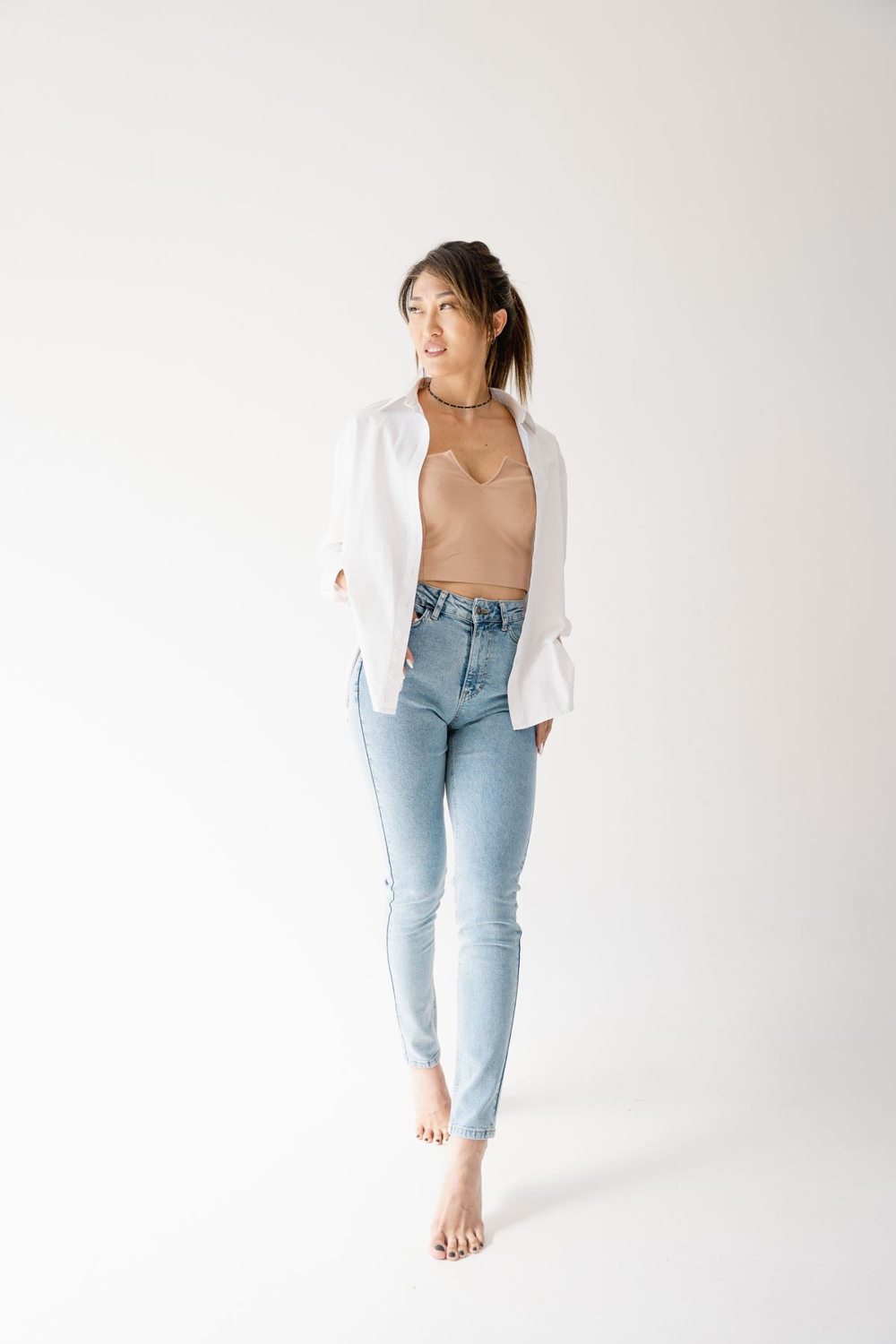
A first day brings enough unfamiliar things without a waistband that digs in or shoes that have never left the box. Pick clothes you have already worn for several hours. Try the whole combination together, including the layer you will use for the journey and the bag that will hold your documents or equipment.
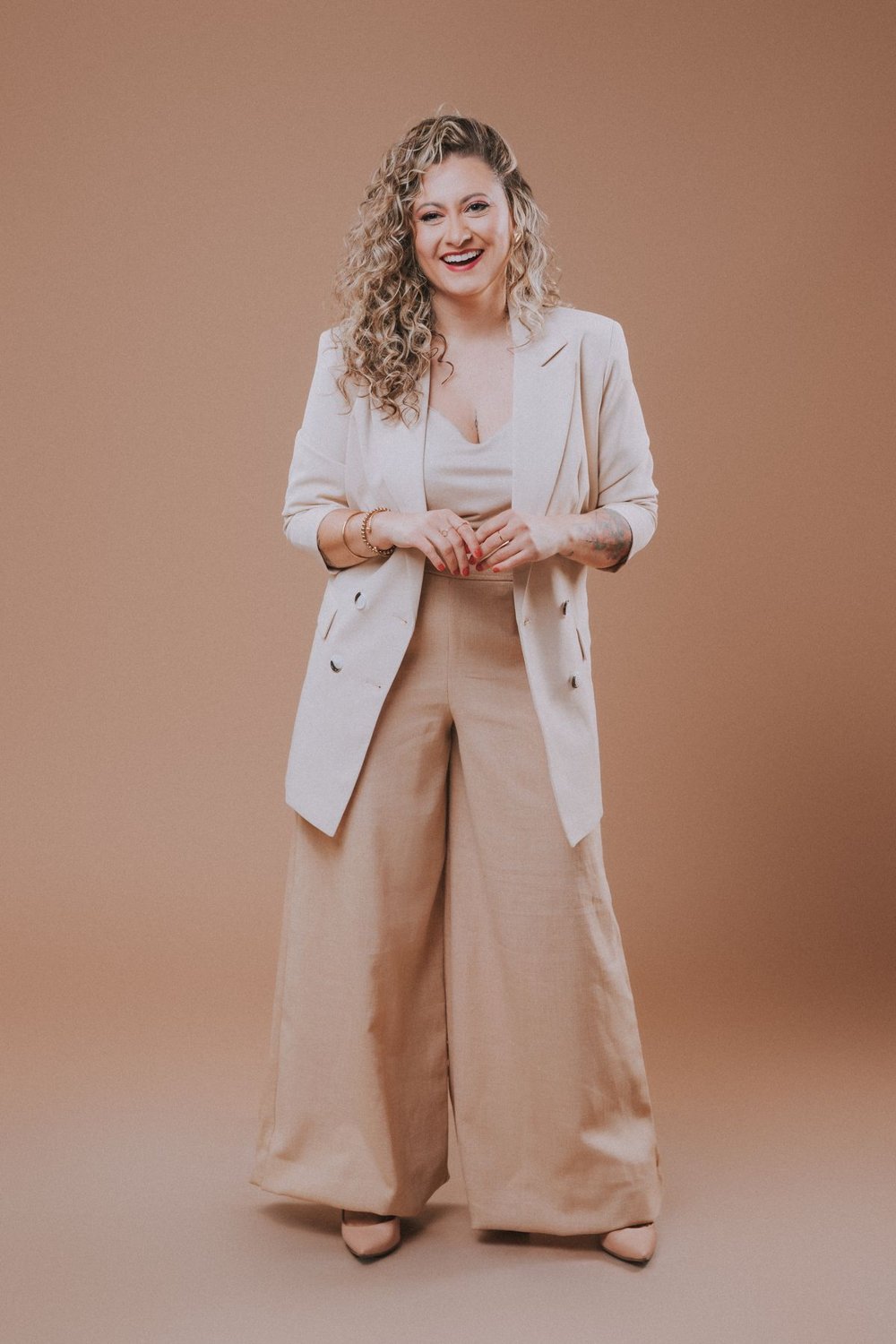
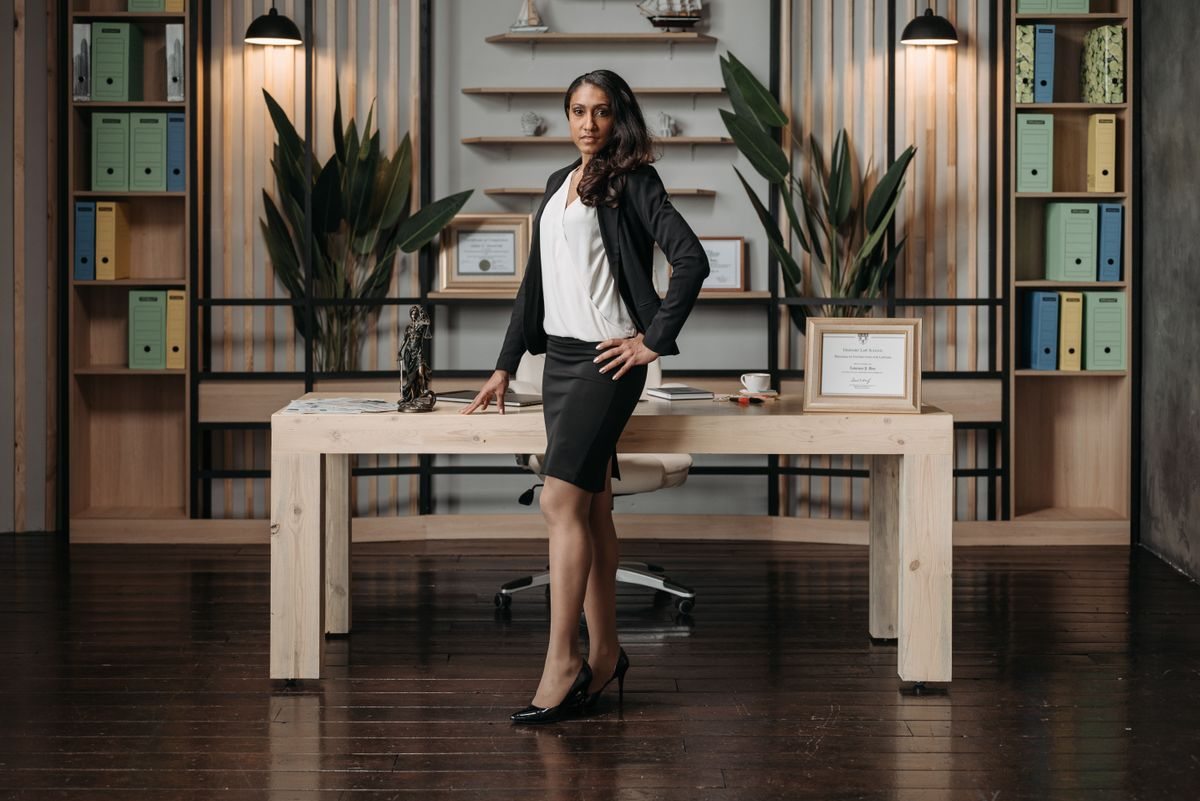
If the employer has provided a dress code, use it. If the wording is vague, ask a contact for an example of ordinary working clothes. An interview outfit may be more formal than the daily norm, so it is not always the best evidence on its own.
Rehearse the ordinary movements
Sit at a table, reach forward and walk up a few steps. Check that a shirt stays closed, a skirt allows movement and a jacket does not pull across the back. These checks take little time but reveal things a standing mirror cannot.
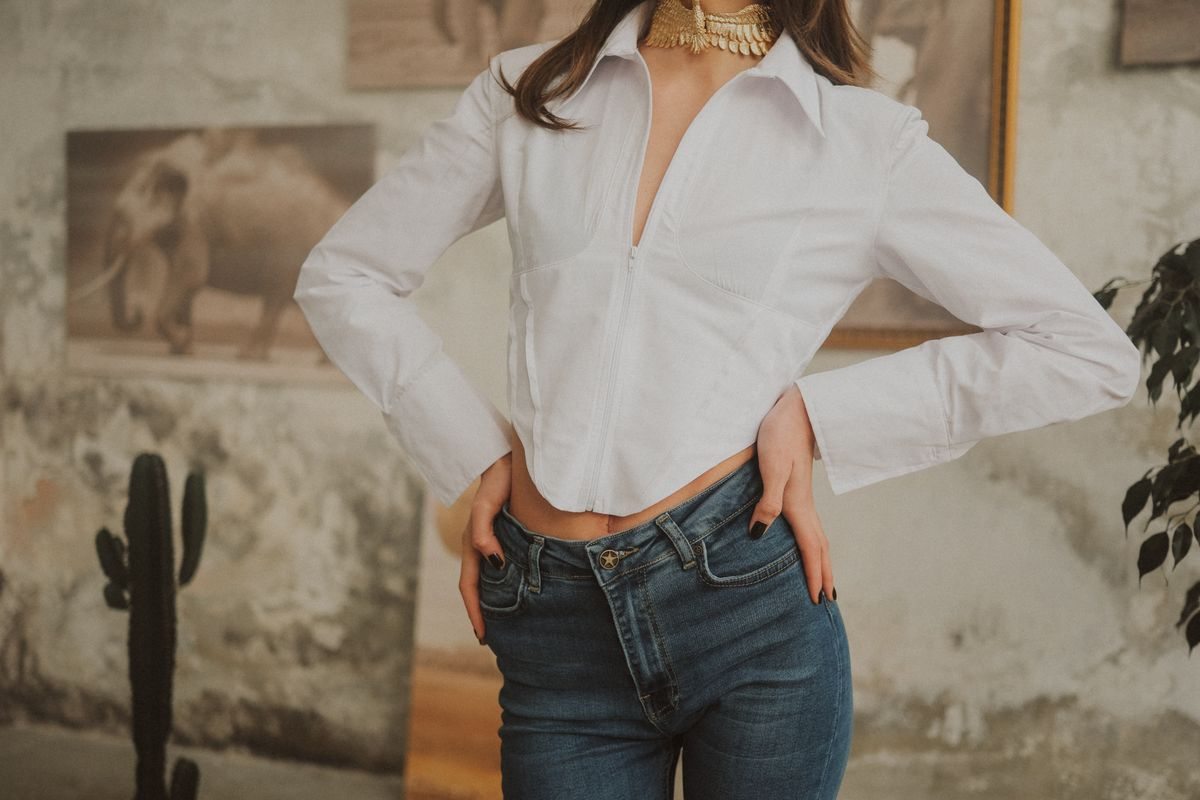
Look at the clothes in daylight for marks, loose threads or transparency. Prepare them early enough to deal with a missing button or a crease according to the care label. Leave an alternative top available in case something goes wrong that morning. You do not need a second complete outfit waiting beside the first.
Pack around the journey
A bag should fit what you have been asked to bring. If you will collect a laptop at work, check whether a carrying case is supplied before assuming your everyday handbag will do. Keep travel items accessible so that finding a ticket does not involve emptying the bag.
For changeable weather, choose an outer layer you can remove and carry comfortably. It is easy to concentrate on how the outfit looks indoors and forget the walk from the station. Clothes that arrive damp or make you overheat can be a more noticeable distraction than their formality.
Once the day begins, let the outfit recede. You can learn how people dress over the next week and make adjustments gradually. The first day's clothes need to let you participate comfortably; they do not have to express every part of your personal style at once.