
Wardrobe
An afternoon wardrobe edit with a clear stopping point
Work through a manageable section, give undecided clothes a place and finish with a wardrobe you can use that evening.
The subjects
Making space for what you wear, understanding fabrics and giving clothes the attention they need.
Wardrobe
Work through a manageable section, give undecided clothes a place and finish with a wardrobe you can use that evening.

Wardrobe
The clothes you reach for repeatedly can tell you more about your wardrobe than the pieces you wish you wore.

Wardrobe
An undecided pile is useful only if it leads to a decision. Give it a limit, a reason and a date to revisit it.

Wardrobe
Bring the next season into view without turning the bedroom into a temporary clothing warehouse.
Wardrobe
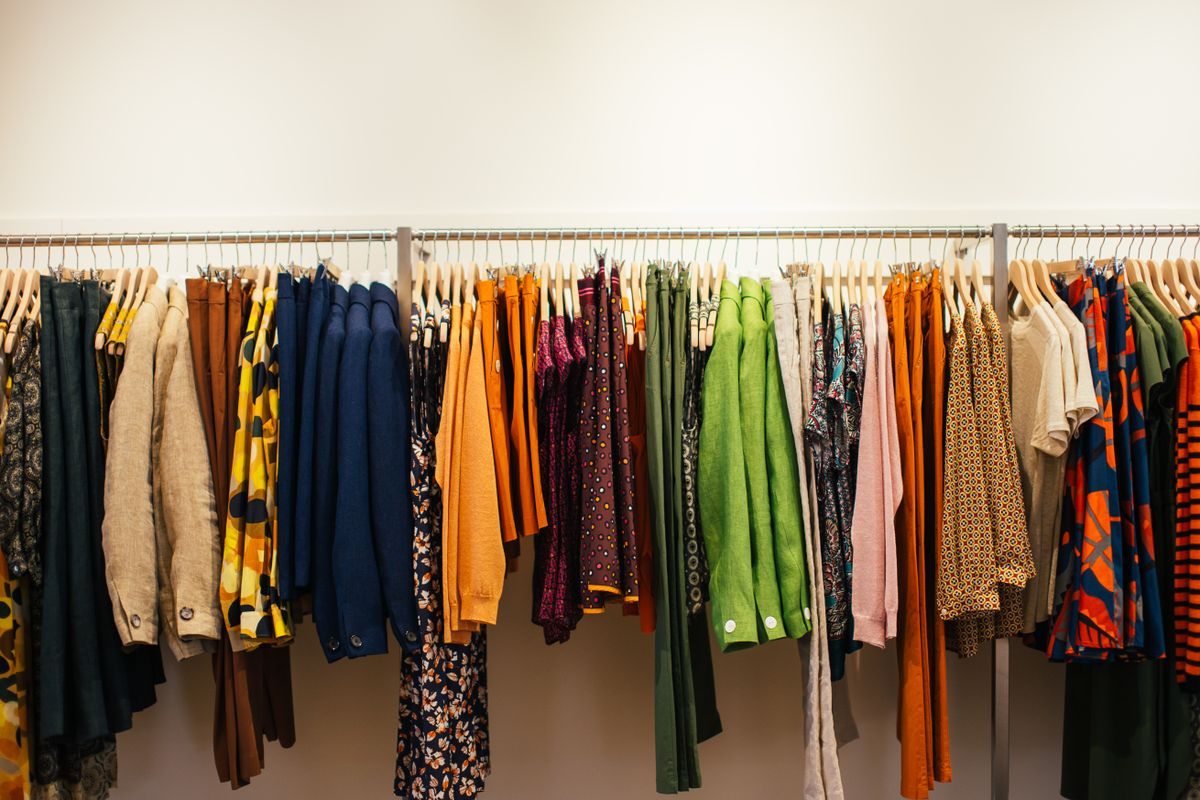
A small wardrobe works better when the clothes are visible and reachable, even if the storage itself stays exactly the same.
Wardrobe
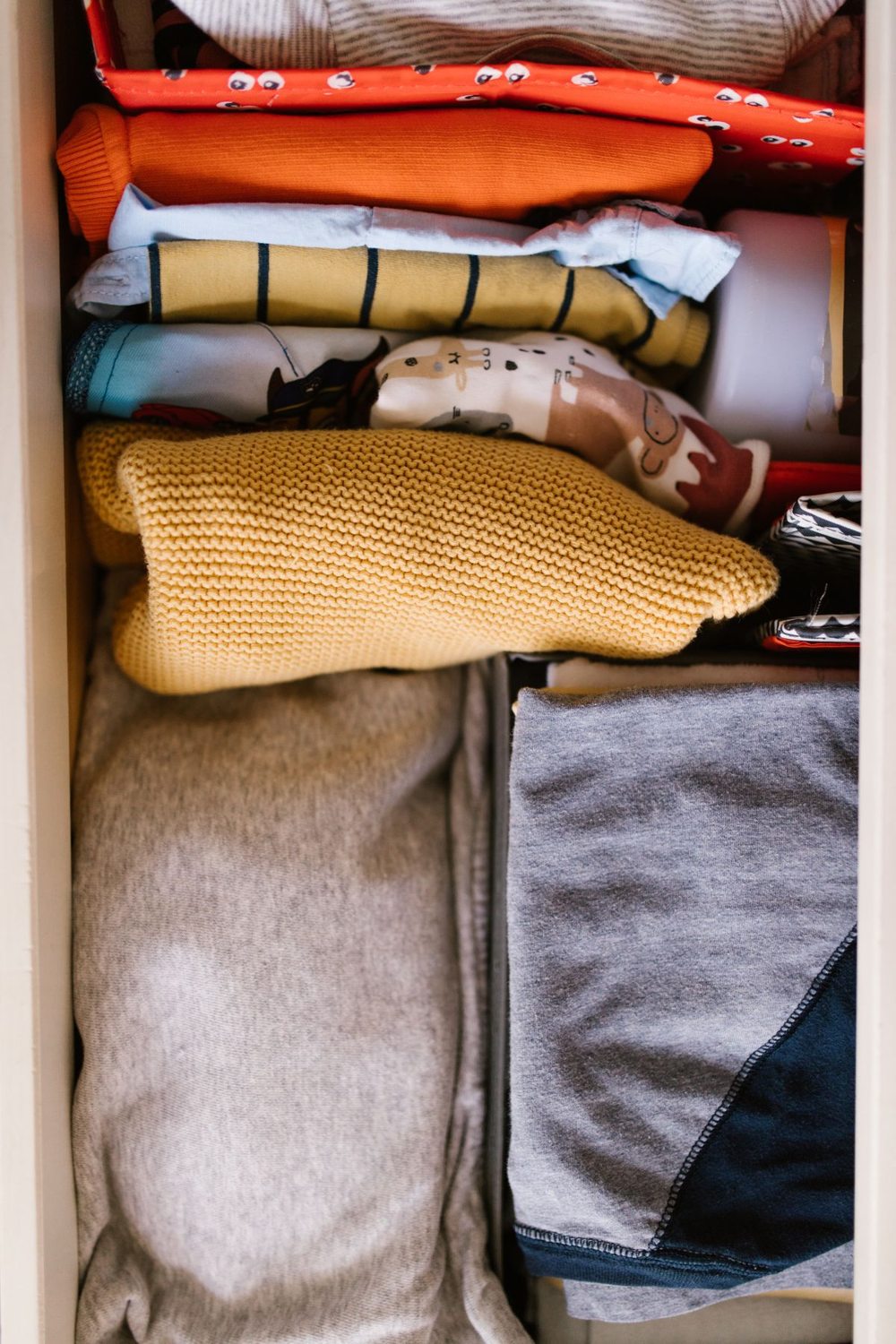
Arrange folded clothes so that taking one out does not dismantle the rest of the drawer.
Wardrobe
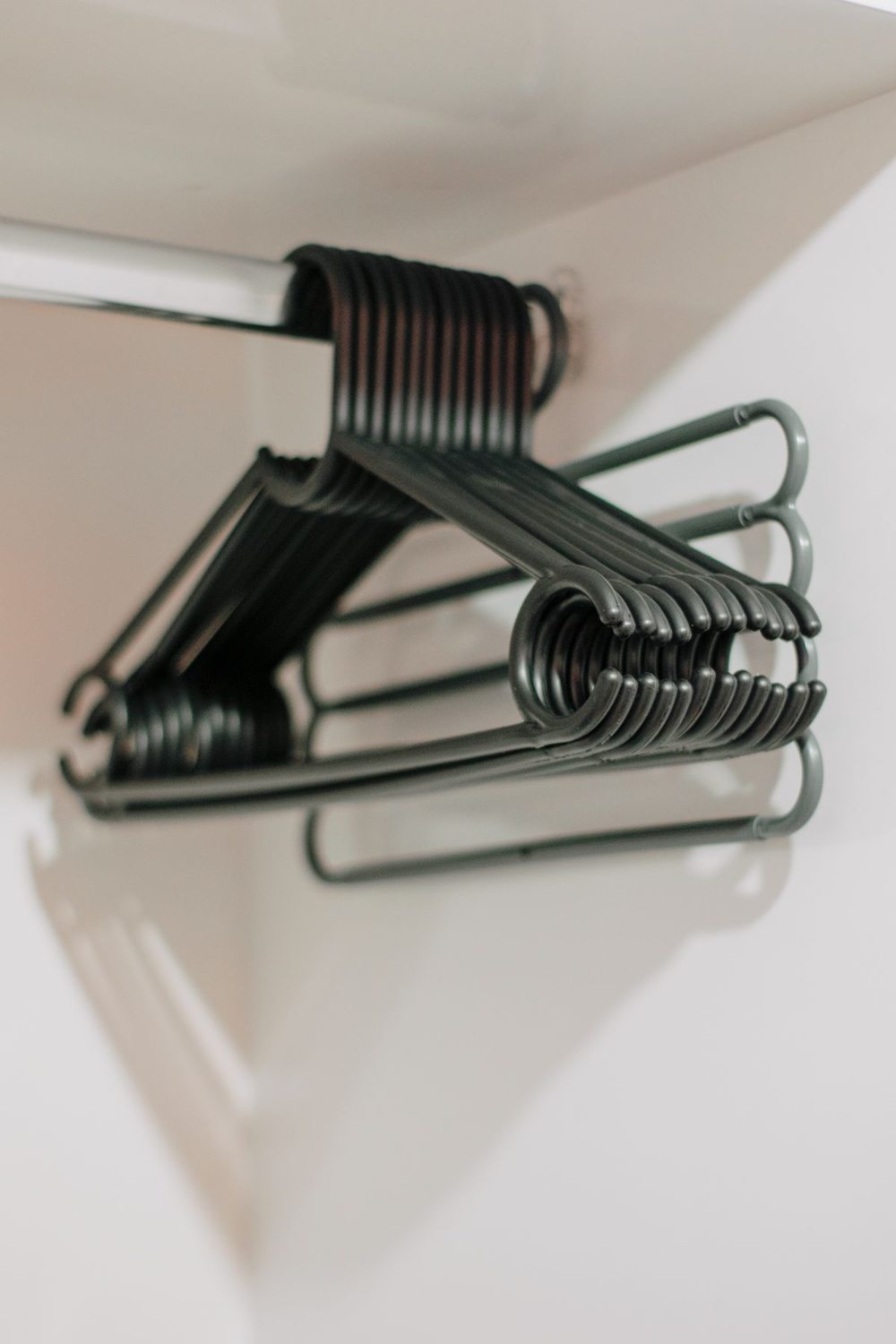
Use the rail for clothes that benefit from hanging, and let fabric weight and garment shape guide the decision.

Wardrobe
Pull together a few outfits without turning a spare rail into a second wardrobe.

Wardrobe
An outfit that feels unfinished does not always need another purchase.

Wardrobe
A few concrete details make a shopping list easier to use and easier to stop following.

Wardrobe
Use the fitting room for movement, layers and the details a front-facing mirror misses.
Wardrobe
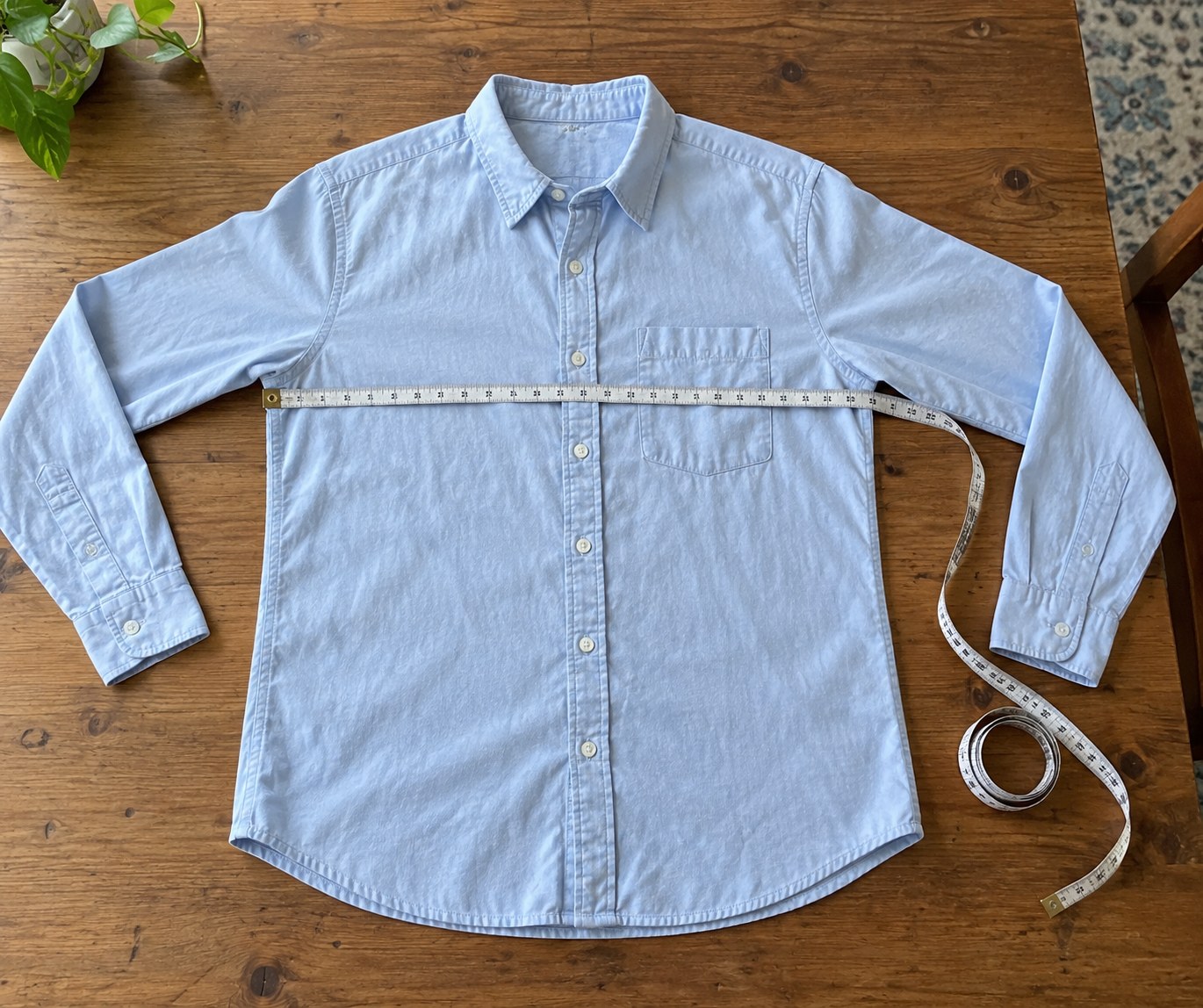
A familiar garment gives you a reference point, provided you compare the same measurements.

Wardrobe
The useful number is the one attached to this product, with its measuring method explained.

Wardrobe
Keep the tags on while you decide whether a new garment works in ordinary outfits.

Wardrobe
Decide what an item will do before letting the reduced price make the argument.

Wardrobe
Inspect the areas that carry wear, then decide which flaws you are willing to take on.

Wardrobe
An alterations visit goes better when the intended result is clear before any fabric is cut.

Wardrobe
Decide where the hem should finish while wearing the shoes that will sit beneath it.

Wardrobe
Check a sleeve in motion before deciding that shorter will automatically feel better.
Wardrobe
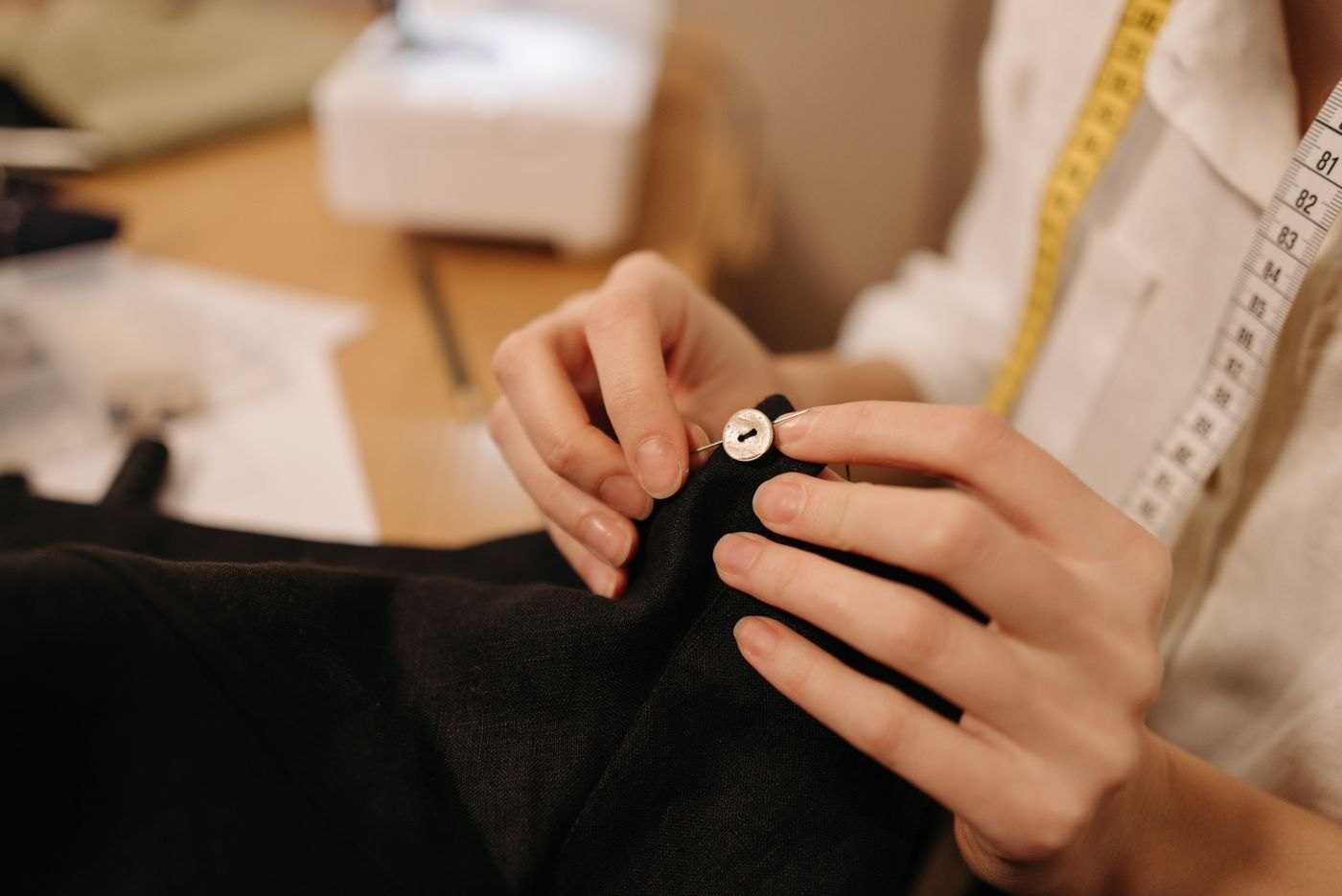
Match the fastening and the fabric before opening the sewing kit.
Wardrobe
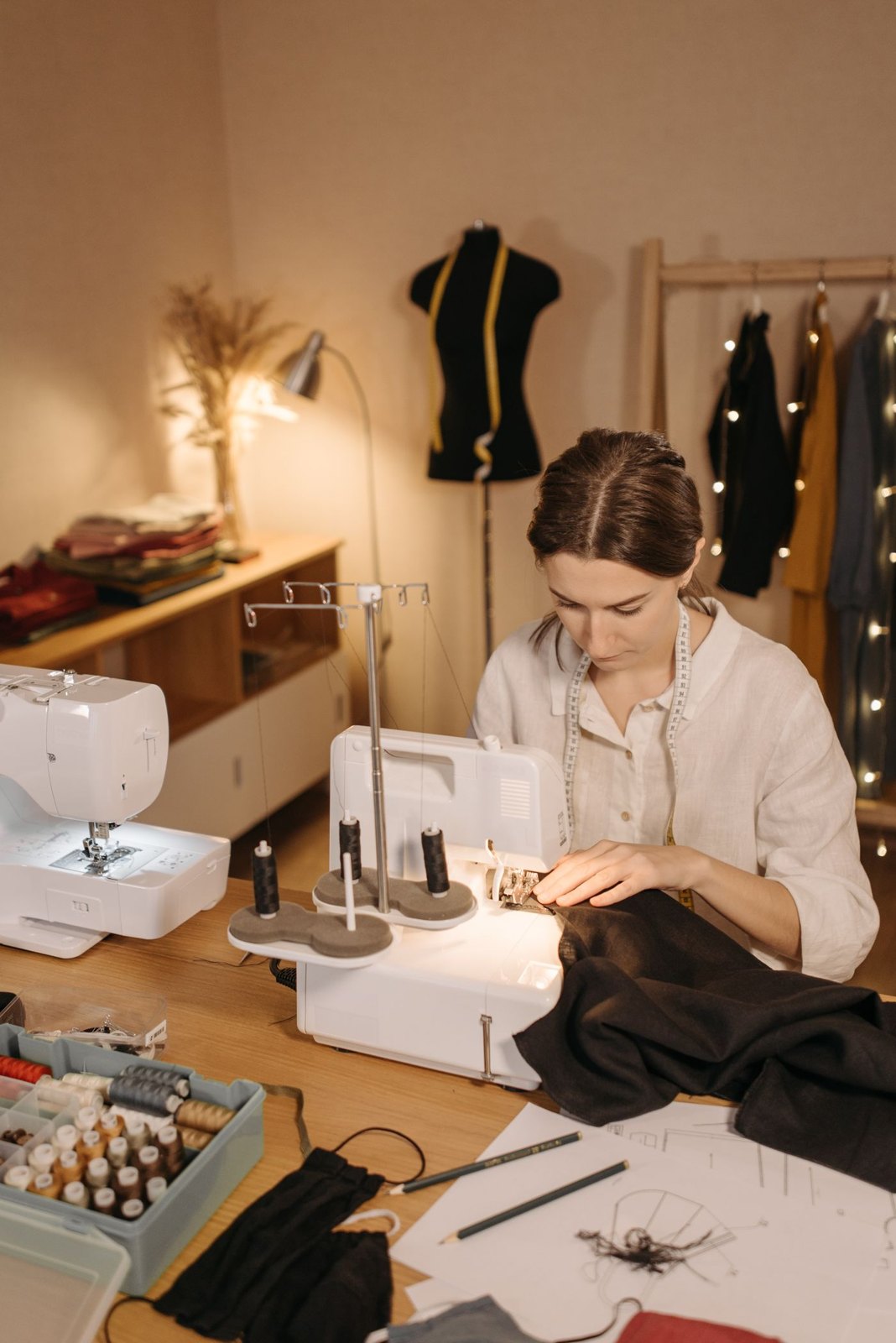
A broken stitch and damaged fabric can look similar until you inspect the seam.
Wardrobe
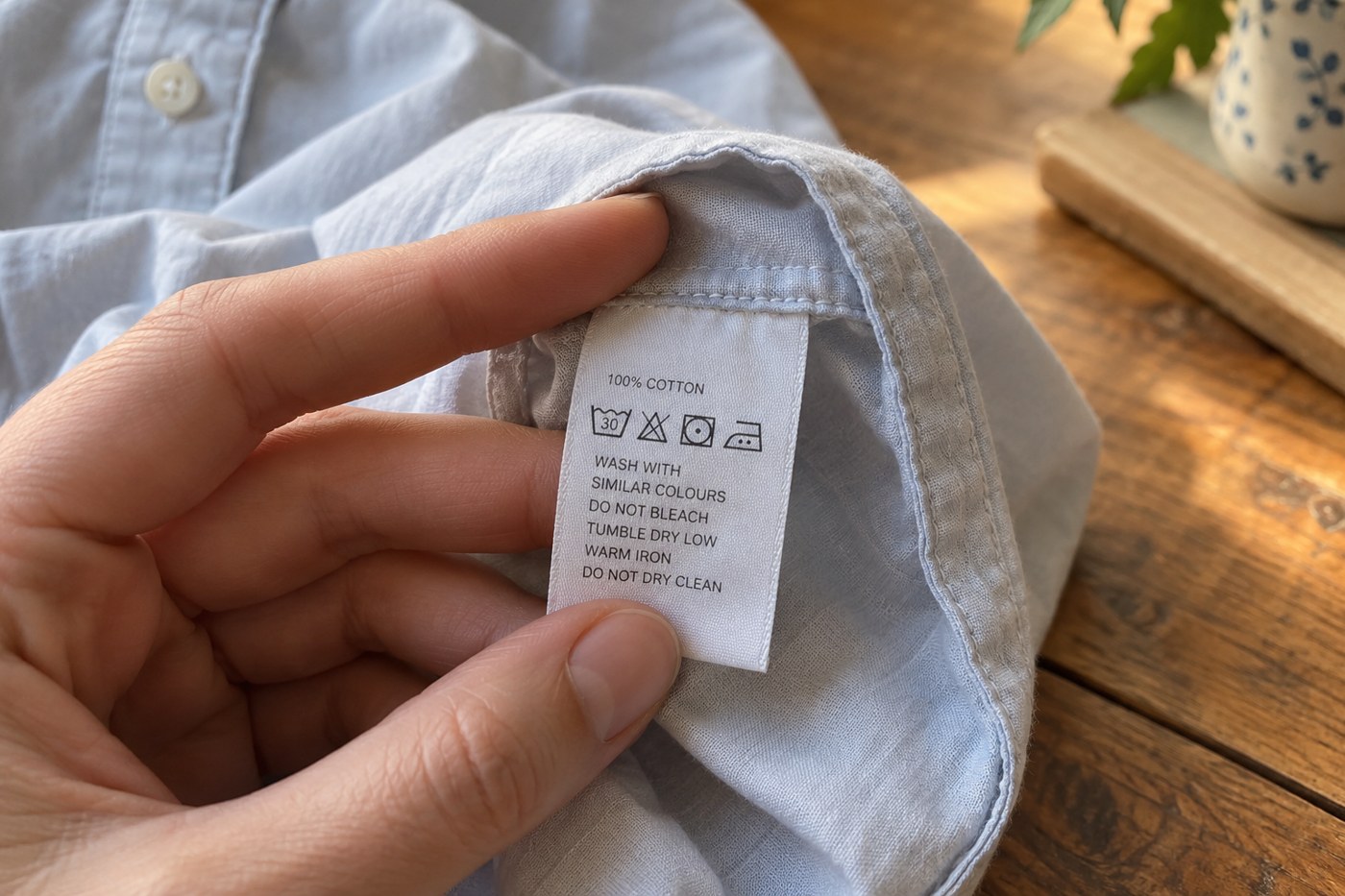
Read the whole label so washing, drying and finishing belong to the same plan.
Wardrobe
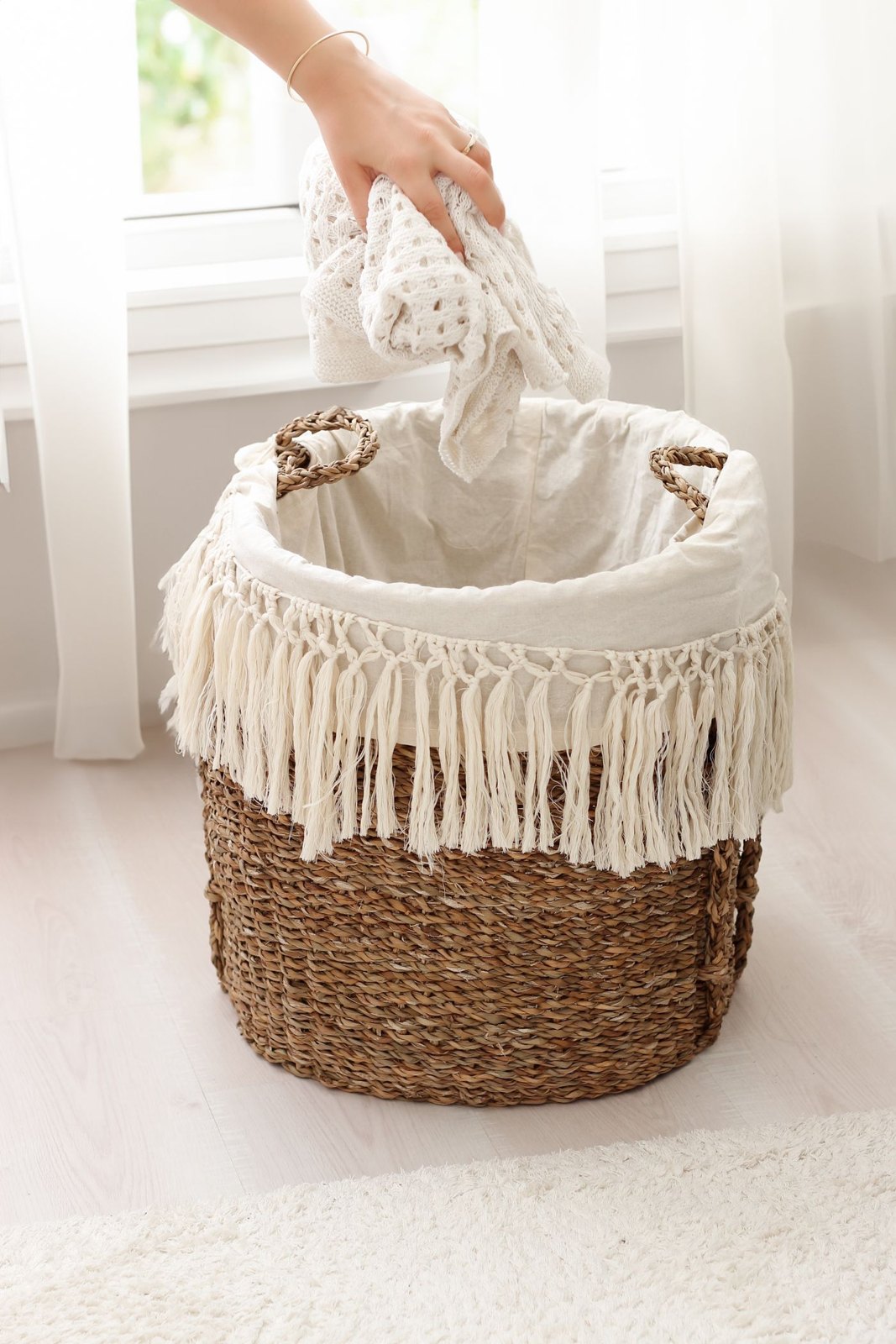
Colour is only one part of deciding which garments belong in the same load.
Wardrobe
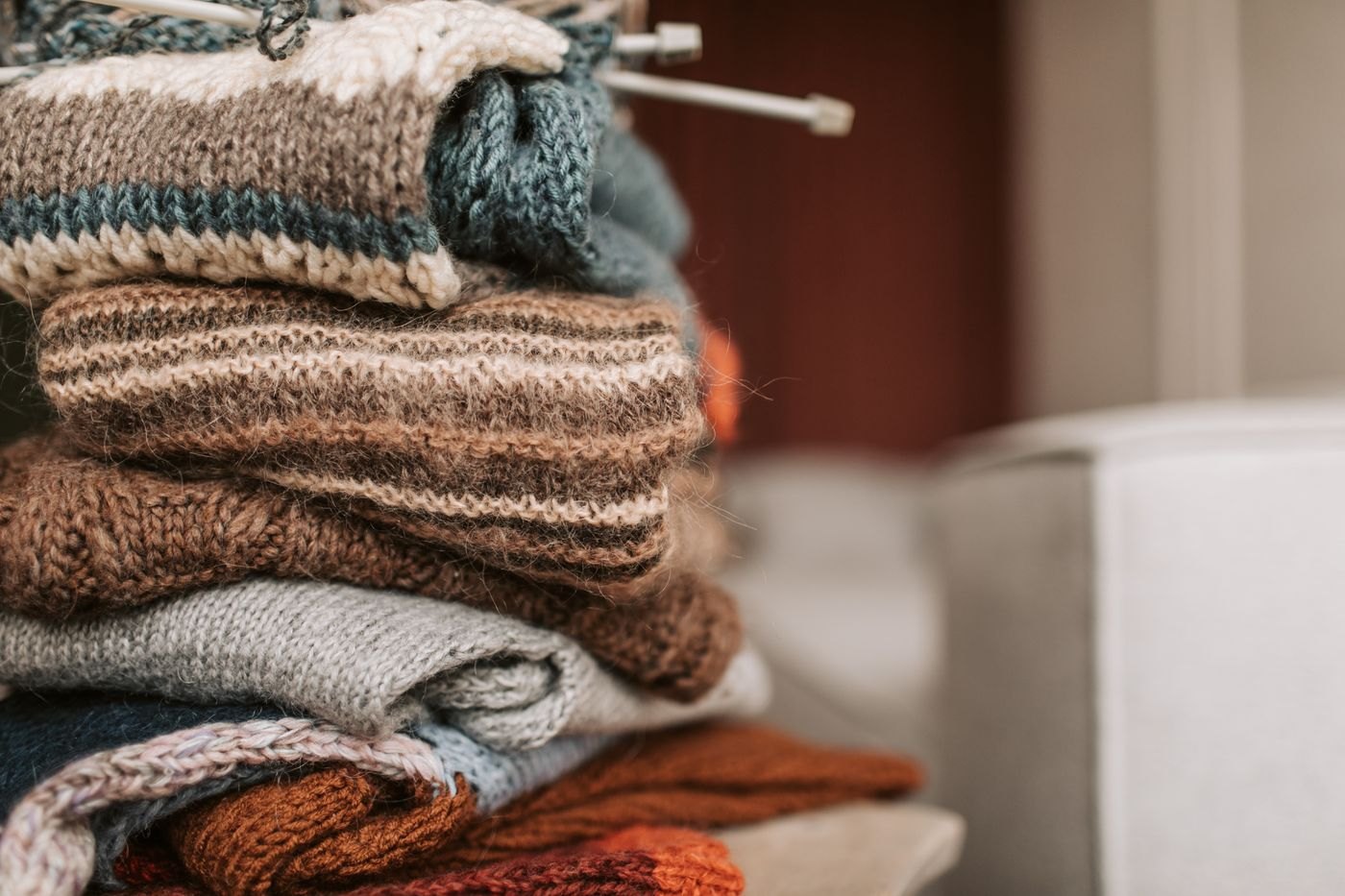
Give folded knits enough support and enough room to be taken out without pulling.
Wardrobe
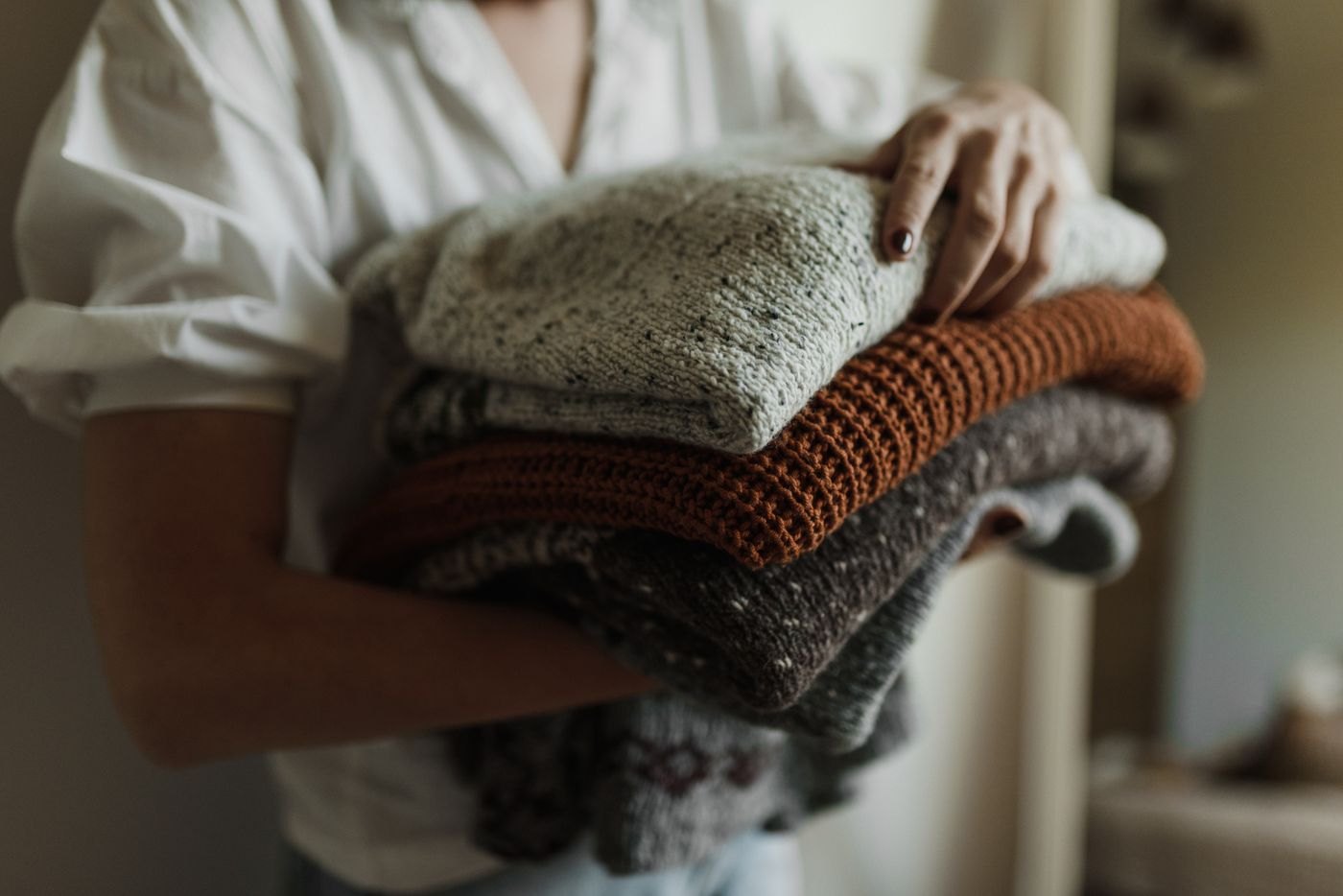
Check the garment after wearing it, then choose airing, cleaning or storage deliberately.
Wardrobe
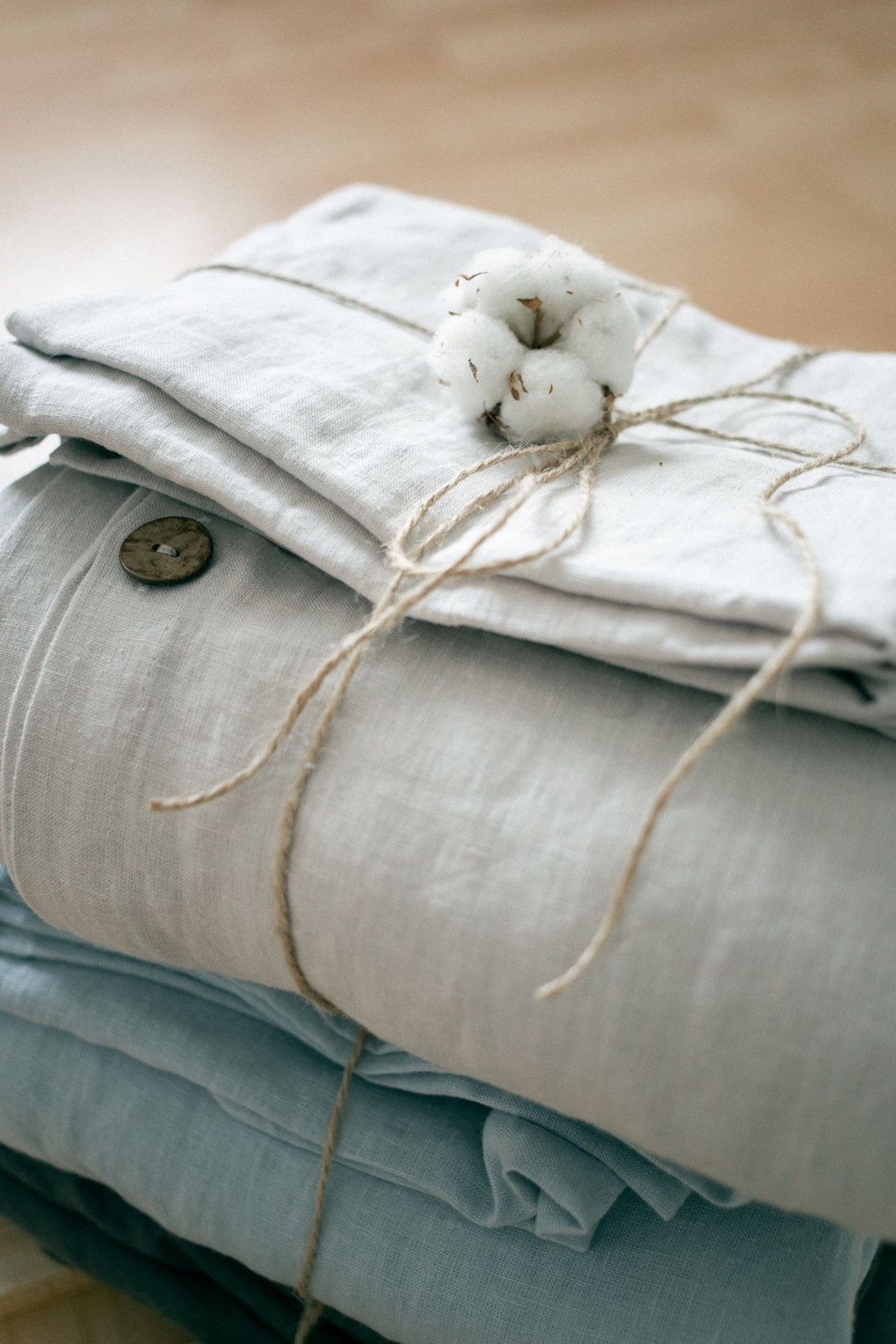
Care for the whole garment rather than assuming every cotton piece needs the same treatment.

Wardrobe
Decide which creases belong to the look and which need attention for the occasion.

Wardrobe
Use the label and the condition of your jeans to decide the next wash, rather than a fixed wear count.

Wardrobe
A delicate-looking garment and a delicate-care garment are not always the same thing.
Wardrobe
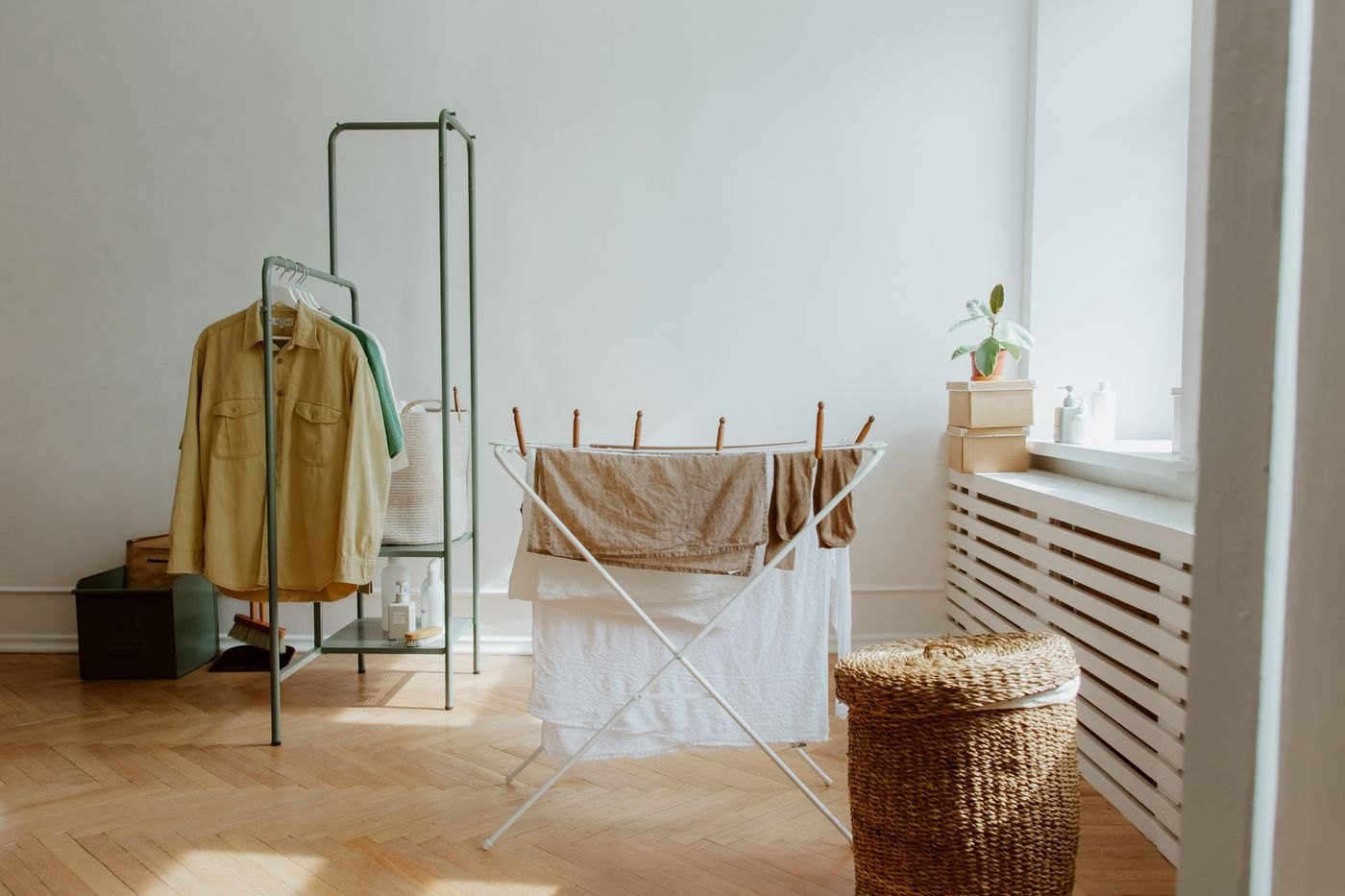
Work backwards from the drying space before deciding how much laundry to start.
Wardrobe
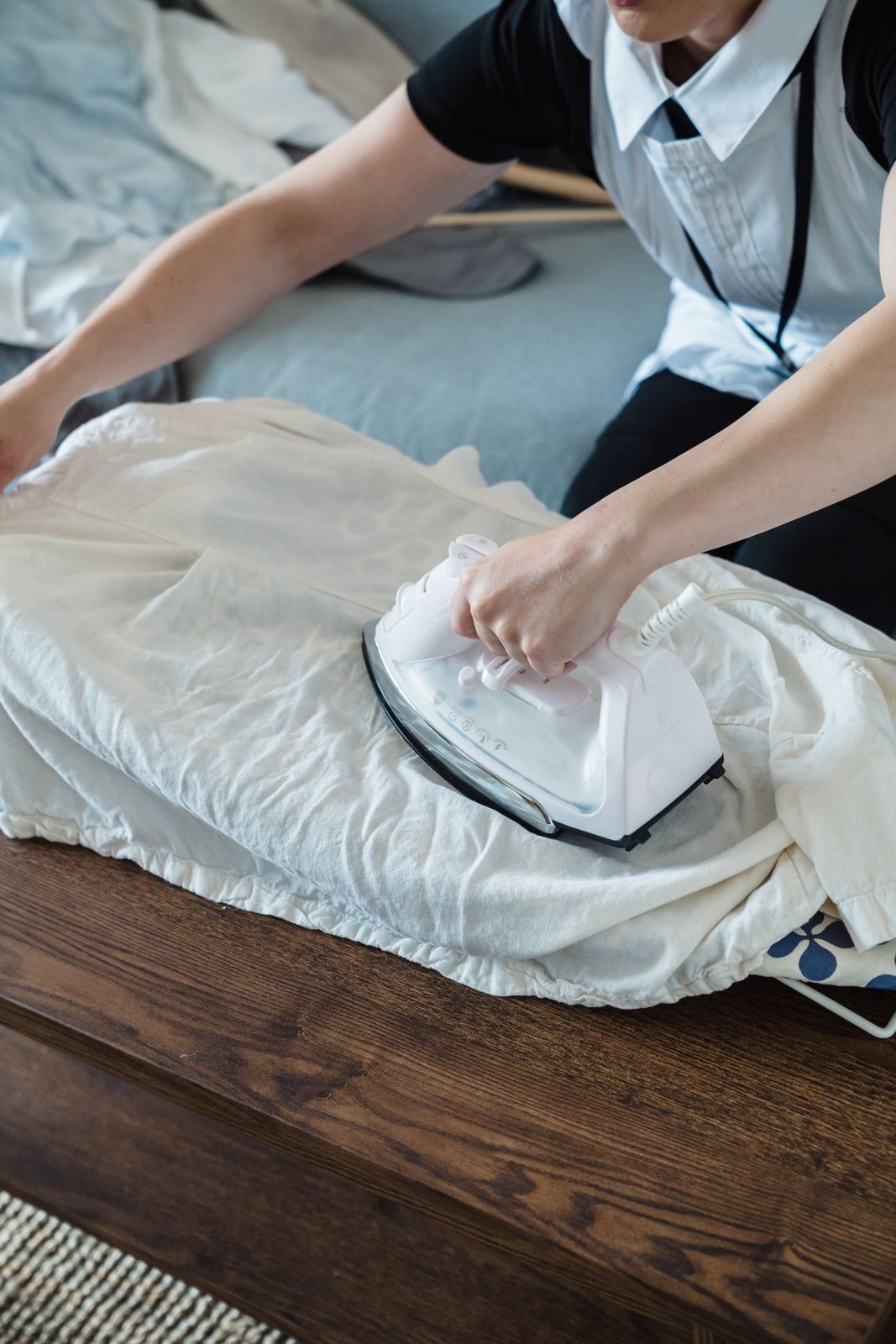
The finish you want matters, but the garment’s care instructions set the limits.
Wardrobe
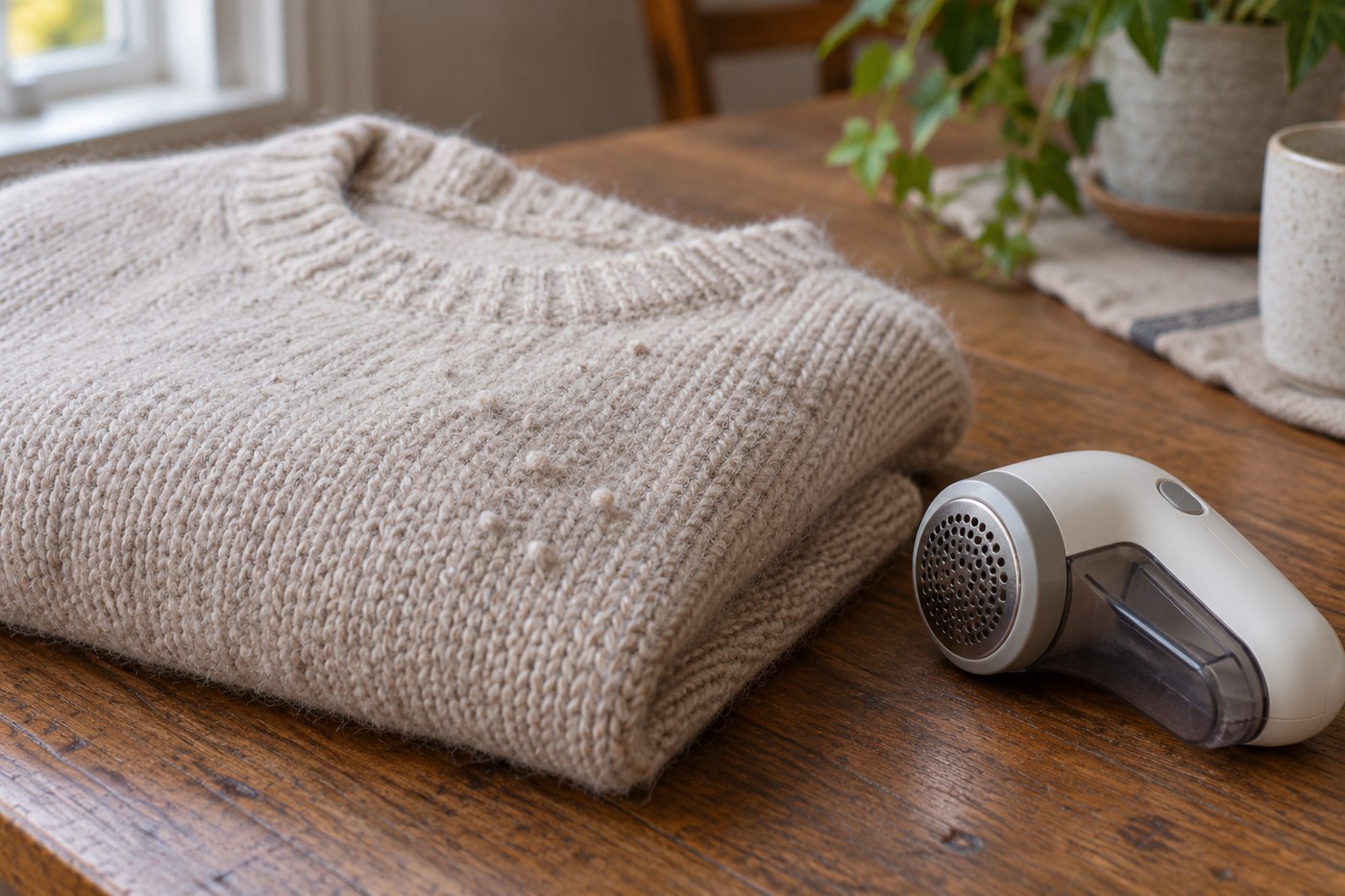
Check whether the surface has loose pills, a designed texture or damage before removing anything.
Wardrobe
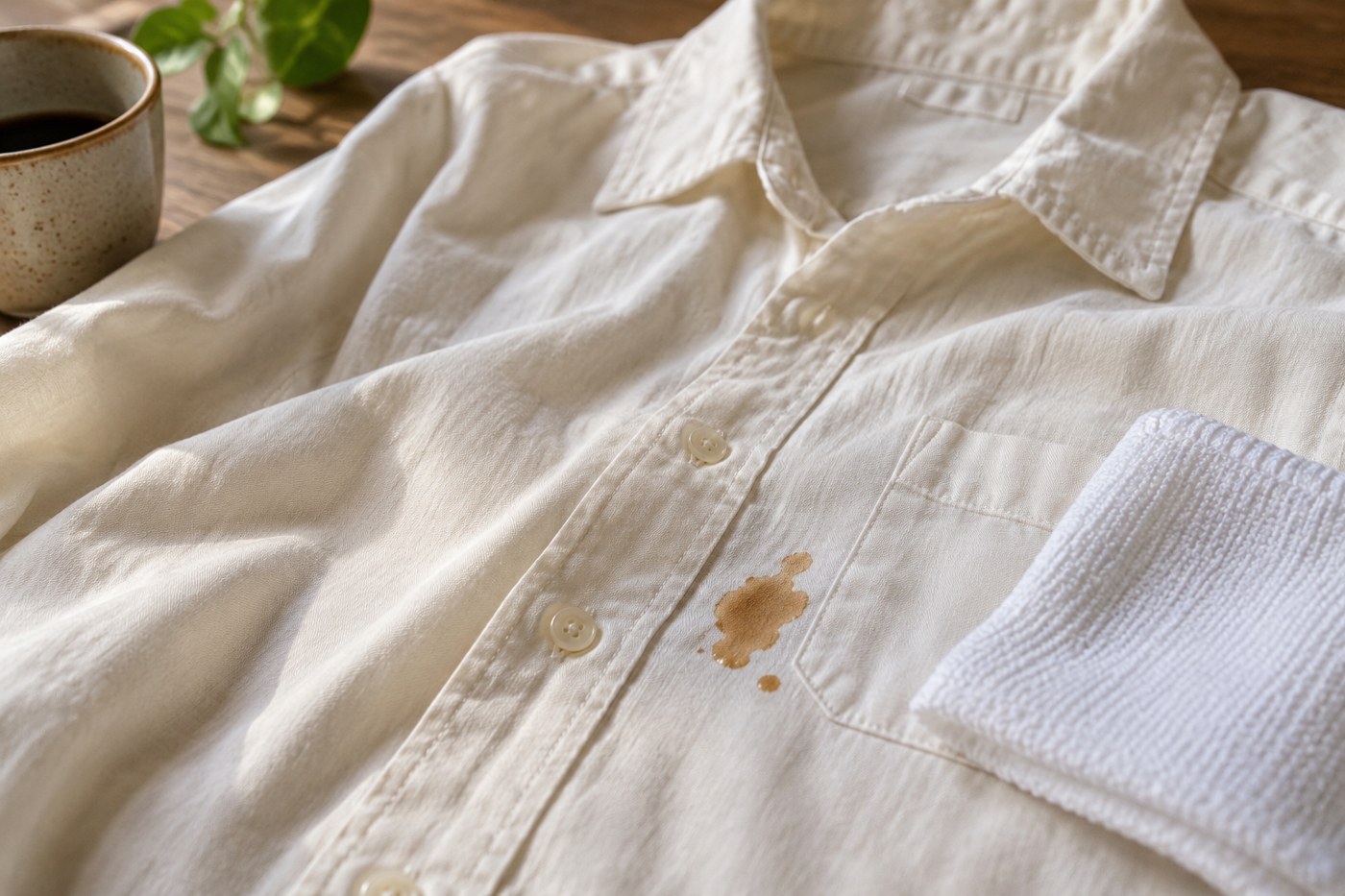
Identify the spill and check the garment before choosing a treatment.

Wardrobe
A small, labelled set of supplies is easier to use than a drawer of unidentified products.
Wardrobe
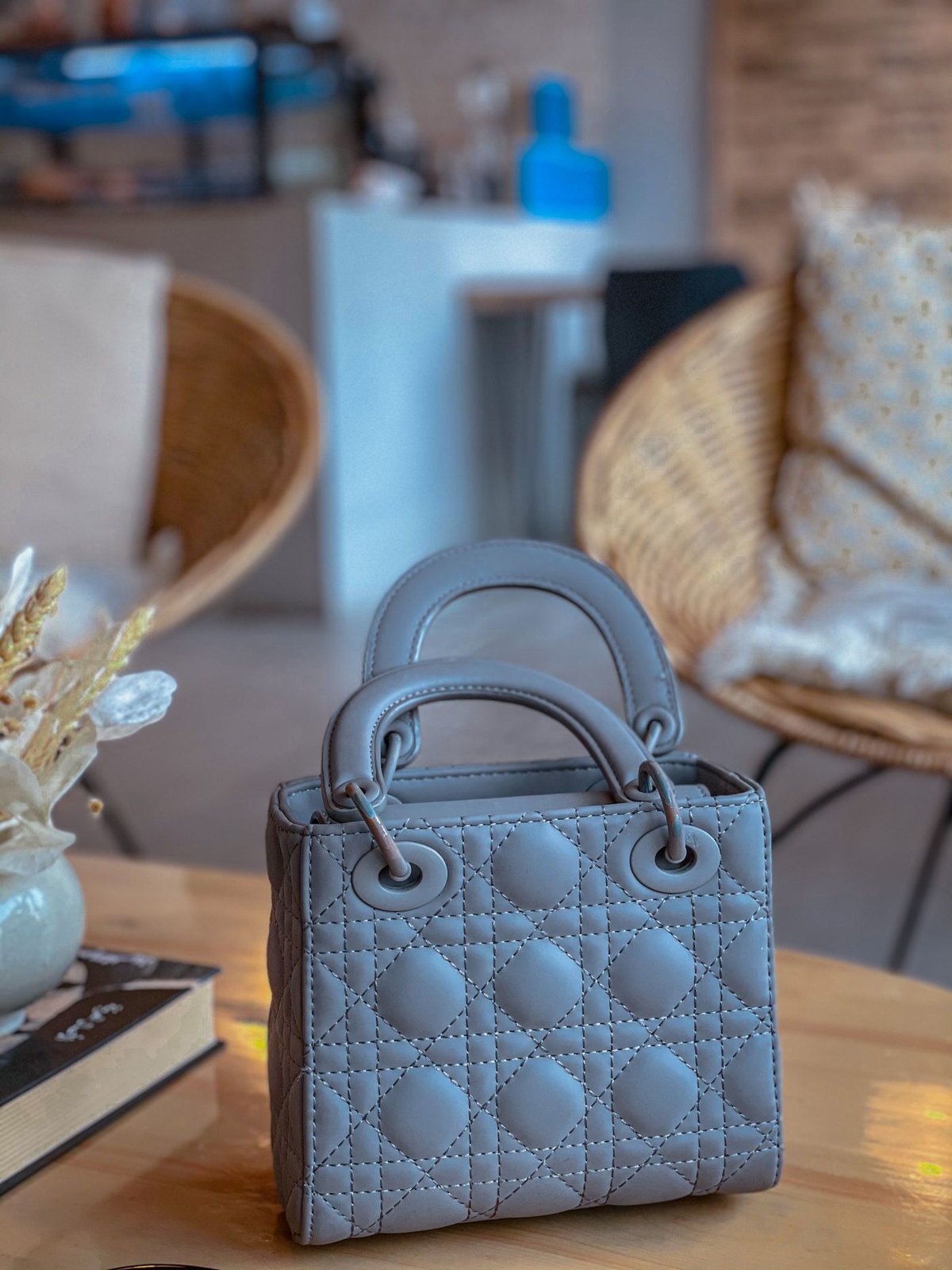
Empty the bag and support its form before deciding where it will wait for the next outing.
Wardrobe
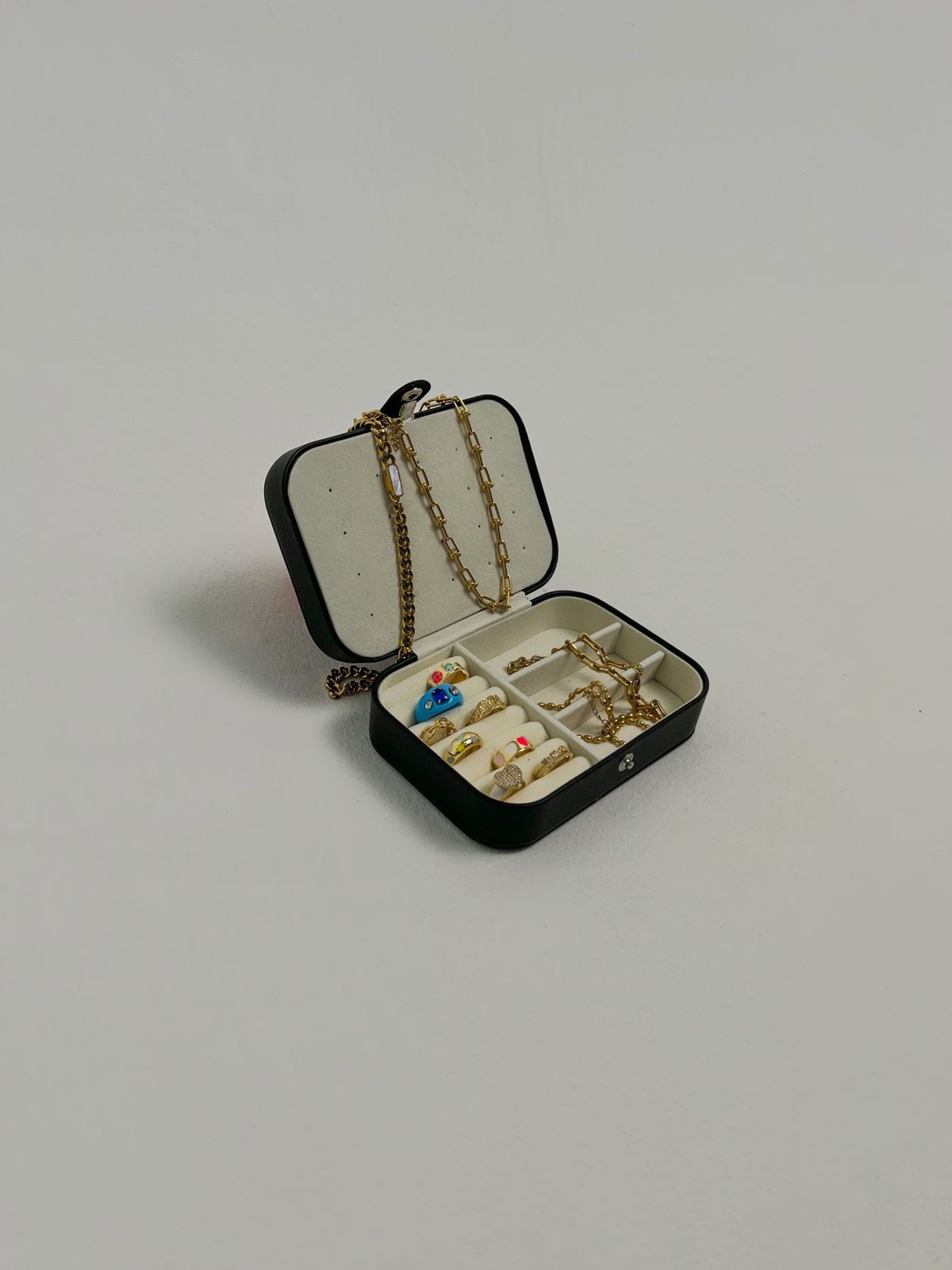
Separate pieces by how they catch, fasten and get worn, rather than arranging everything for display.

Wardrobe
A seasonal change is easier when the stored clothes are clean, complete and labelled by use.

Wardrobe
Pack for the days on the itinerary, including the ordinary parts between the photographs.

Wardrobe
A mid-trip wash can reduce the bag, but only when access and drying time are real.
Wardrobe
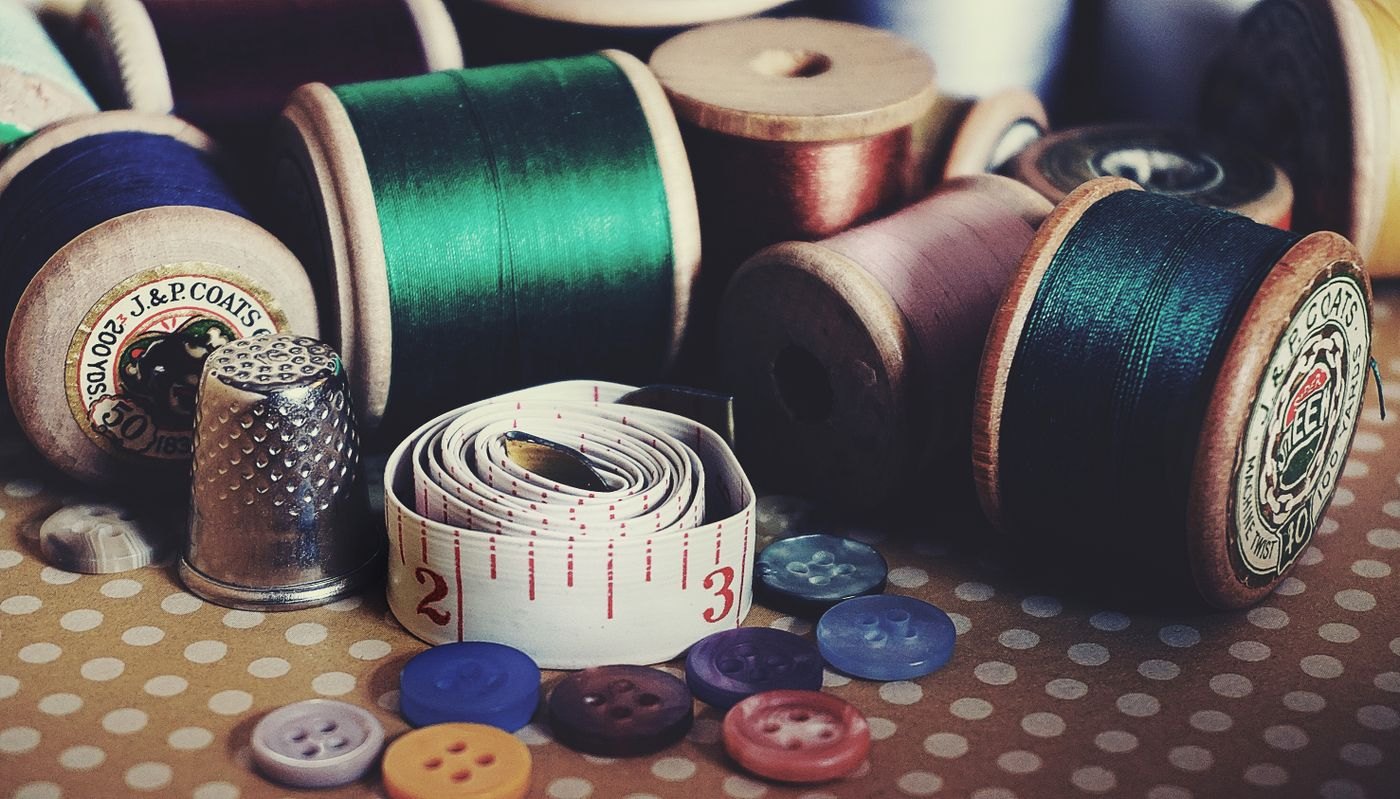
Consider the condition, the result and whether you still want to wear the garment.
Wardrobe
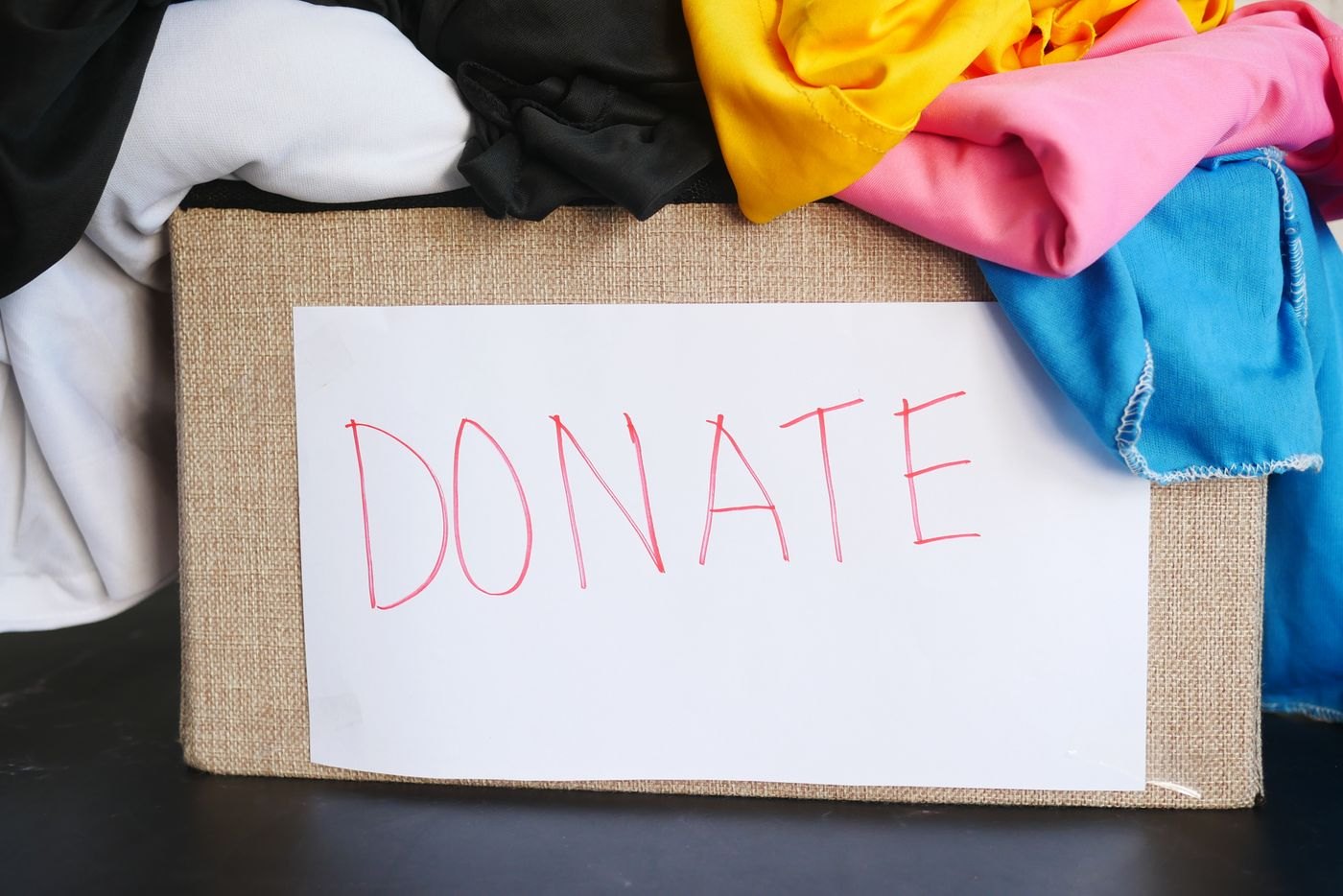
Check condition and the recipient’s requirements before filling a donation bag.
Wardrobe
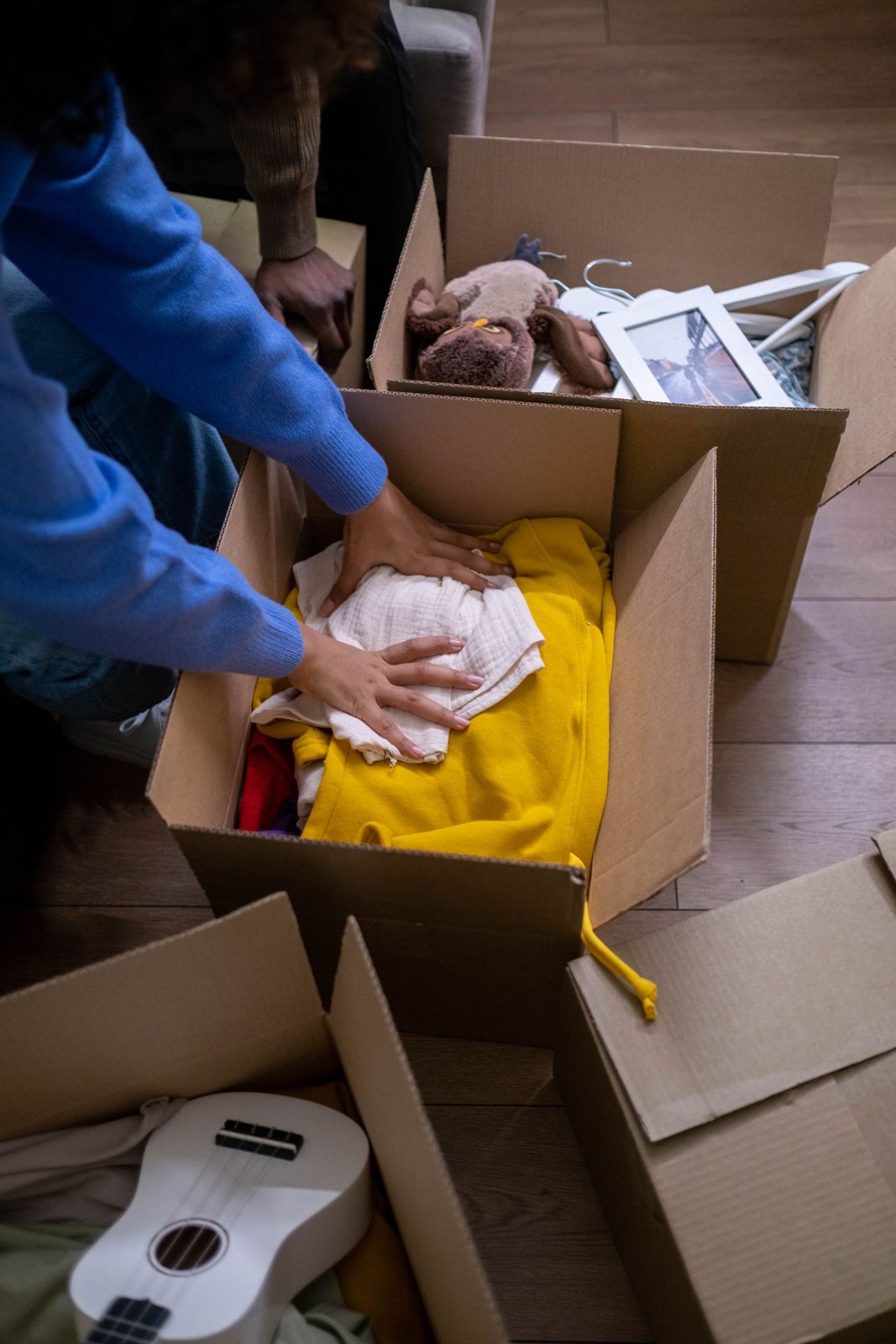
Sentimental clothes can have a place of their own without competing with tomorrow’s outfit.

Wardrobe
A short note about proportion or comfort can be more useful than a folder of unexplained photographs.