Stop pulling at the loose end
When a seam opens, resist the temptation to tug the visible thread or wear the garment once more to see whether it holds. Lay it out in good light and turn it inside out if possible. Look for the point where the stitching has stopped and whether the fabric on either side remains intact.
An opening along the stitching line can be different from cloth tearing beside it. The first may involve failed thread; the second may reflect strain or weakened fabric. Both deserve a proper look before you decide that a few stitches will solve the problem. A seam that repeatedly opens in the same place may also be telling you about fit or how the garment is used.
Check what the seam is doing
A side seam in a loose top carries different demands from the seat seam of trousers. Stretch fabrics, linings and finishes can require different techniques. If you are unfamiliar with the construction, take it to an alterations or repair professional rather than copying a stitch that happens to look similar from the outside.
Keep any loose piece attached unless the person repairing it advises otherwise. Photograph the area and note when you first noticed it. If the garment is new, contact the retailer before attempting a repair and check the options available under its current process. Altering the item yourself may complicate that conversation.
Decide how it returns to use
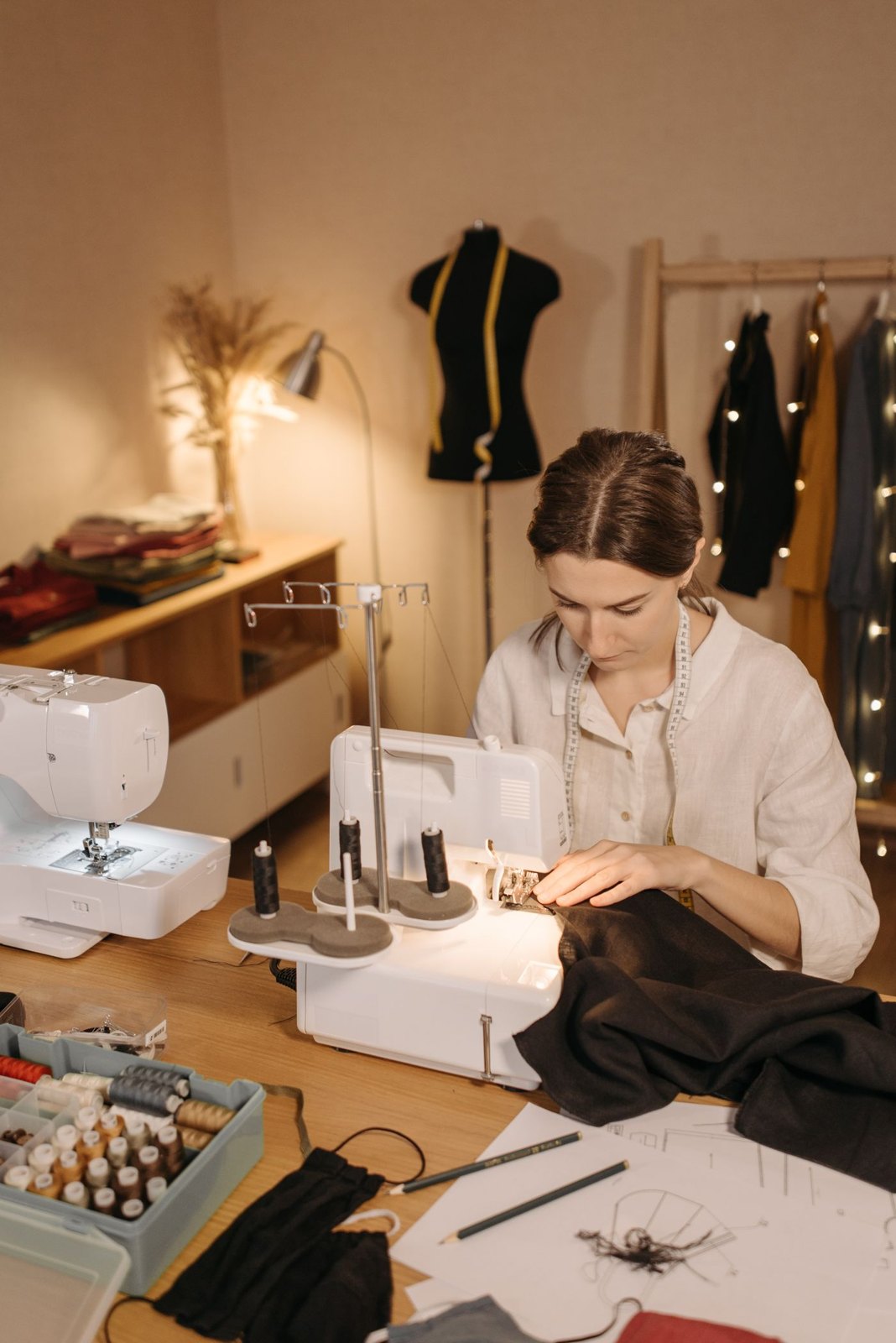
For a straightforward repair you are confident doing, choose thread and a method appropriate to the garment and test movement gently afterwards. Avoid drawing the fabric together so tightly that the surrounding area puckers. The seam needs to restore the original relationship between the pieces, not simply close a visible gap at any cost.
A professional can tell you whether there is enough sound fabric for the intended repair and whether reinforcement will be visible. Ask about the finished appearance as well as durability. An invisible result is not always possible, particularly where cloth has worn away.
Once repaired, try the garment in the movement that puts pressure on that area. If it still feels tight, forcing the seam to carry the same strain is unlikely to make wearing it more comfortable. A change in fit, a different use or retiring the item may be part of the decision.