Wear the layer you use most
A bag tried over a thin top can feel very different over a winter coat. Put on the outer layer that matters for the bag's main job, then add representative contents. The weight and thickness together affect where the strap sits and how the bag rests.
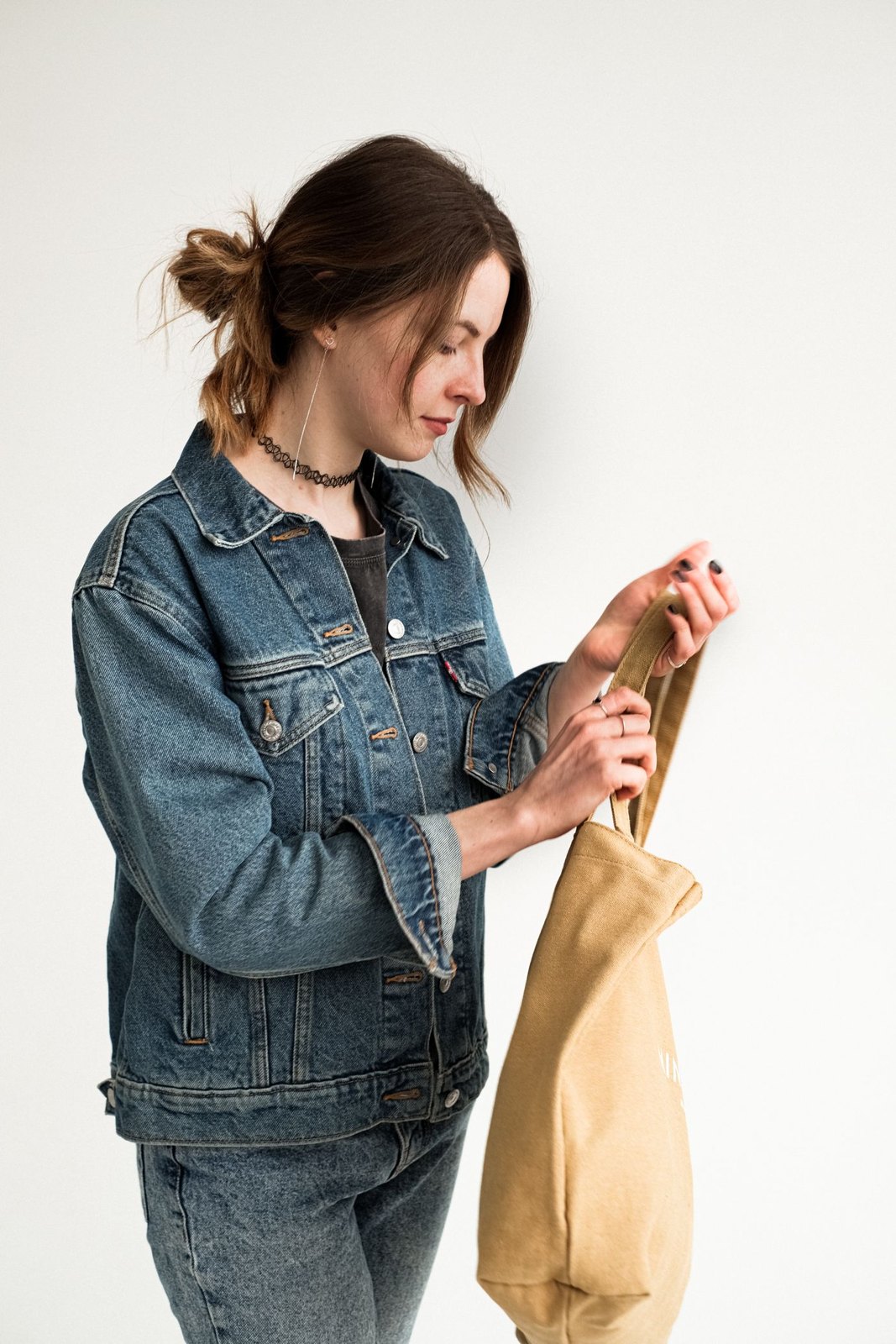
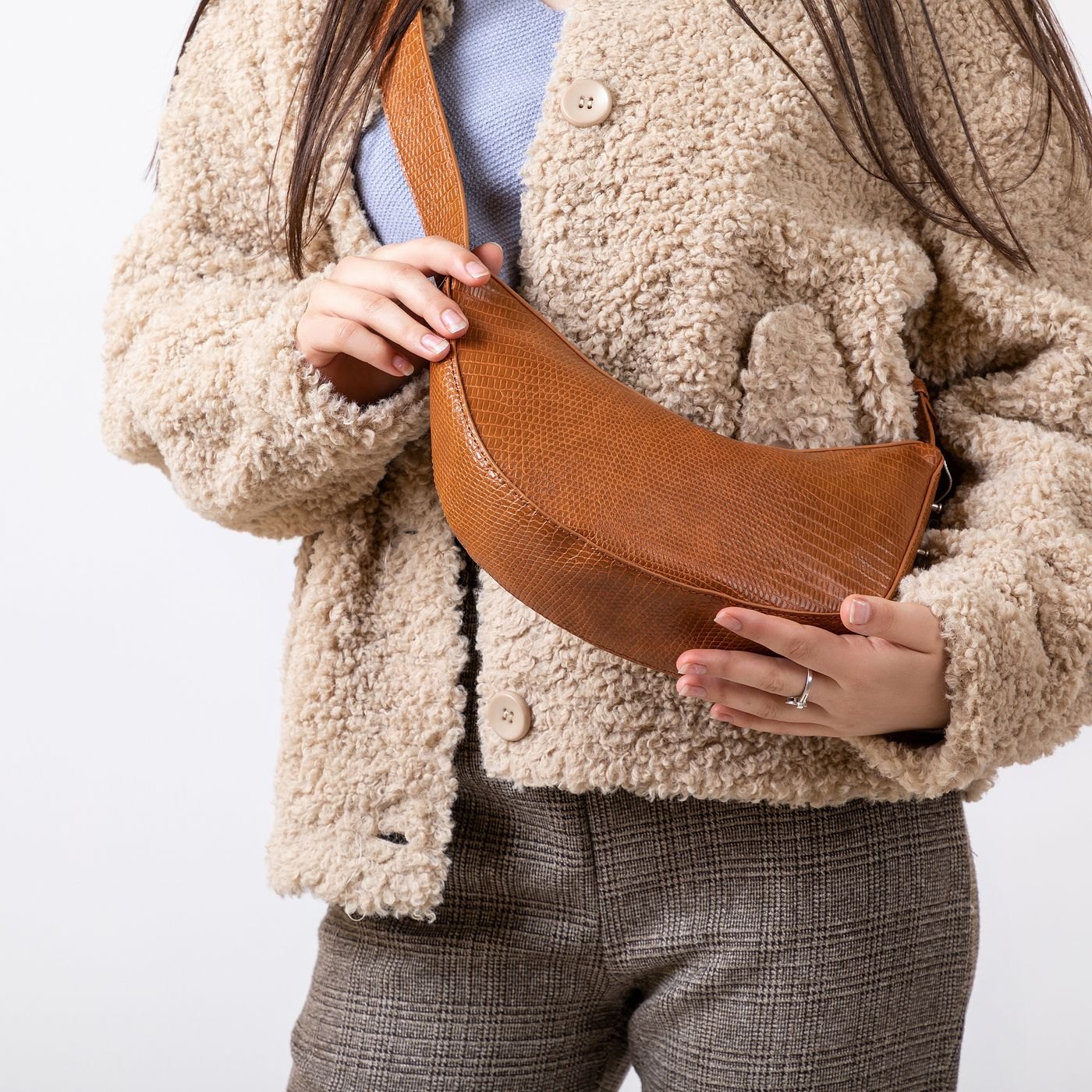
Check the shoulder first. Does the strap stay in place without your lifting that shoulder? Does it bunch the coat or interfere with a collar? A smooth fabric and a narrow strap can behave differently from a textured jacket and a wider one. There is no reason to force the same carrying arrangement across every coat.
Look at the route of the strap
For a crossbody style, follow the strap across the front. It may press against a lapel, sit over a fastening or move a scarf out of place. Adjust the length in small steps and see whether the layers settle comfortably. Check access to the bag with the coat fastened, not only open.
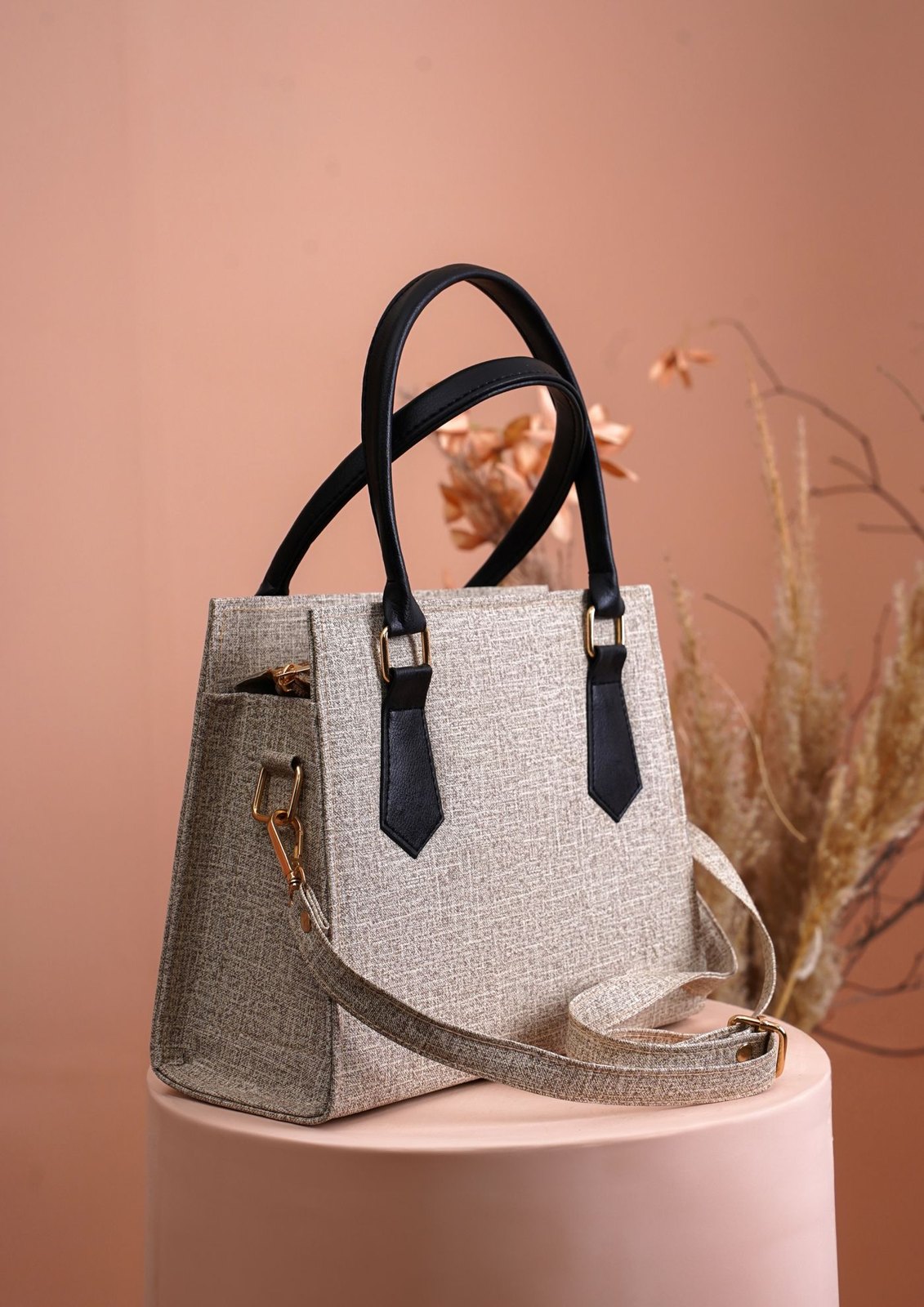
A top-handle bag creates another set of questions. Try holding it beside the coat and moving your arm naturally. A long coat and a large bag can feel crowded together even when the colours are harmonious. Think about carrying both while opening a door or using a phone.
Decide how much contrast you want
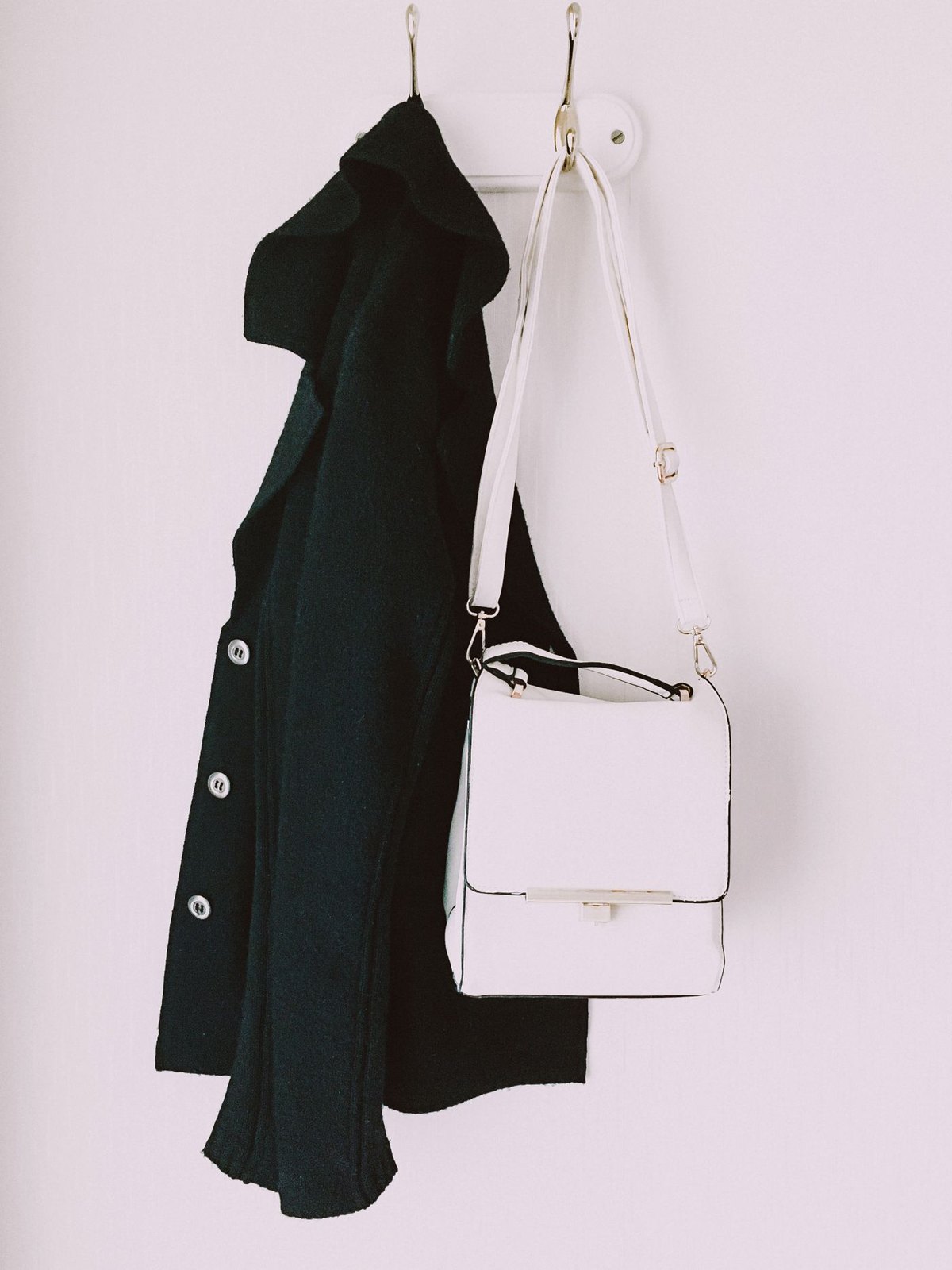
Once the fit works, look at colour and shape. A pale bag against a dark coat becomes a visible point in the outfit. Similar tones can make the bag quieter. A structured bag may create a clear edge beside a soft coat, while a relaxed shape can continue the same movement. These are choices about appearance, not rules requiring a match.
If a favourite bag works poorly with one particular coat, consider another carrying option or reserve the pairing for different days. You do not need to replace either item simply because they compete for the same shoulder. The useful test is whether the combination lets you move without repeatedly rearranging it.