Put the everyday contents on a table
Gather what you normally carry on an ordinary day: keys, phone, wallet, any glasses, a notebook or whatever else genuinely travels with you. Separate regular contents from things left in the bag by accident. A month's receipts should not determine the size of the next purchase.
Notice the objects that set the minimum dimensions. A rigid glasses case or water bottle may matter more than several small items combined. Check the opening as well as the interior. A bag can have enough volume but a narrow mouth that makes a familiar object awkward to remove.
Try the weight in the right place
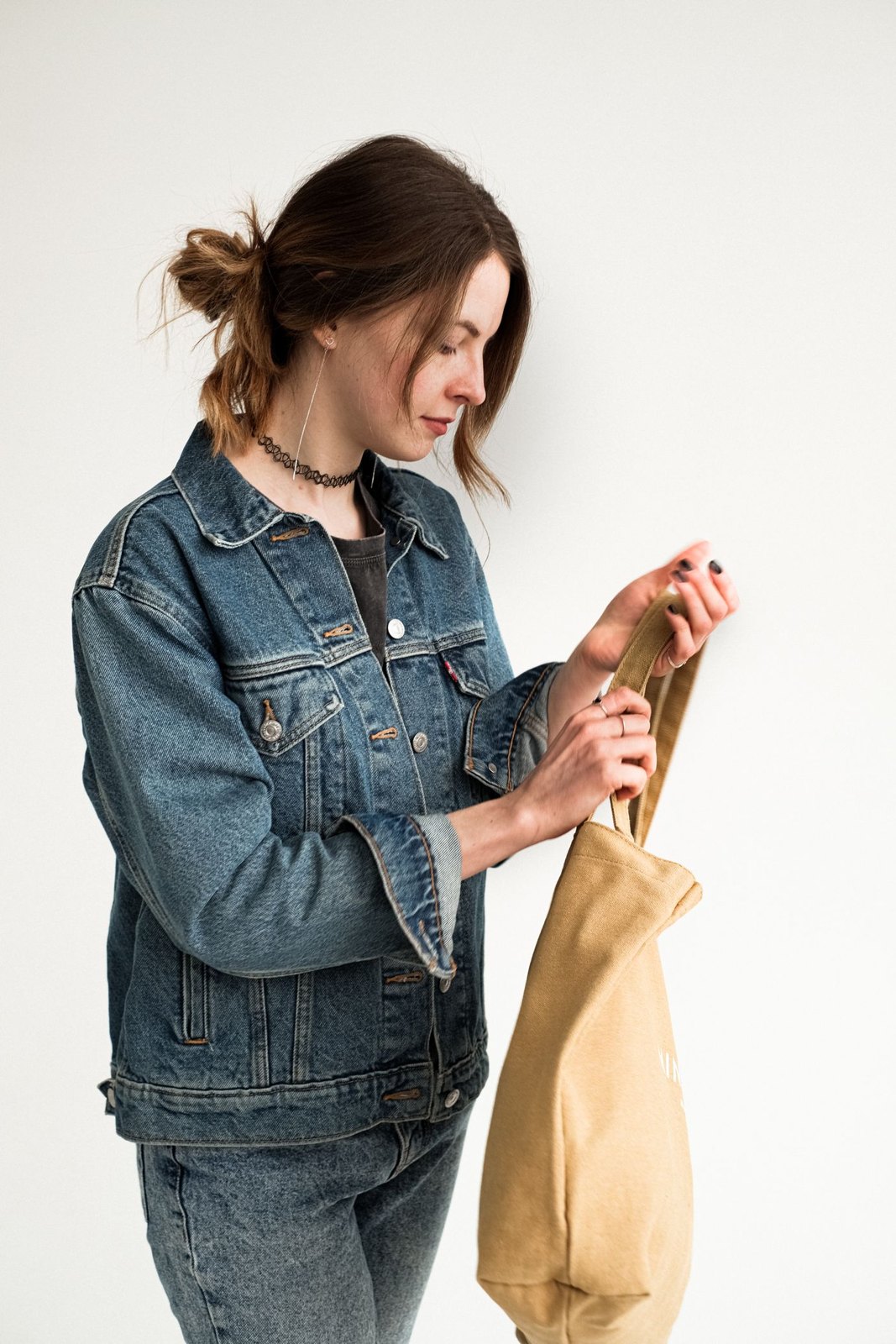
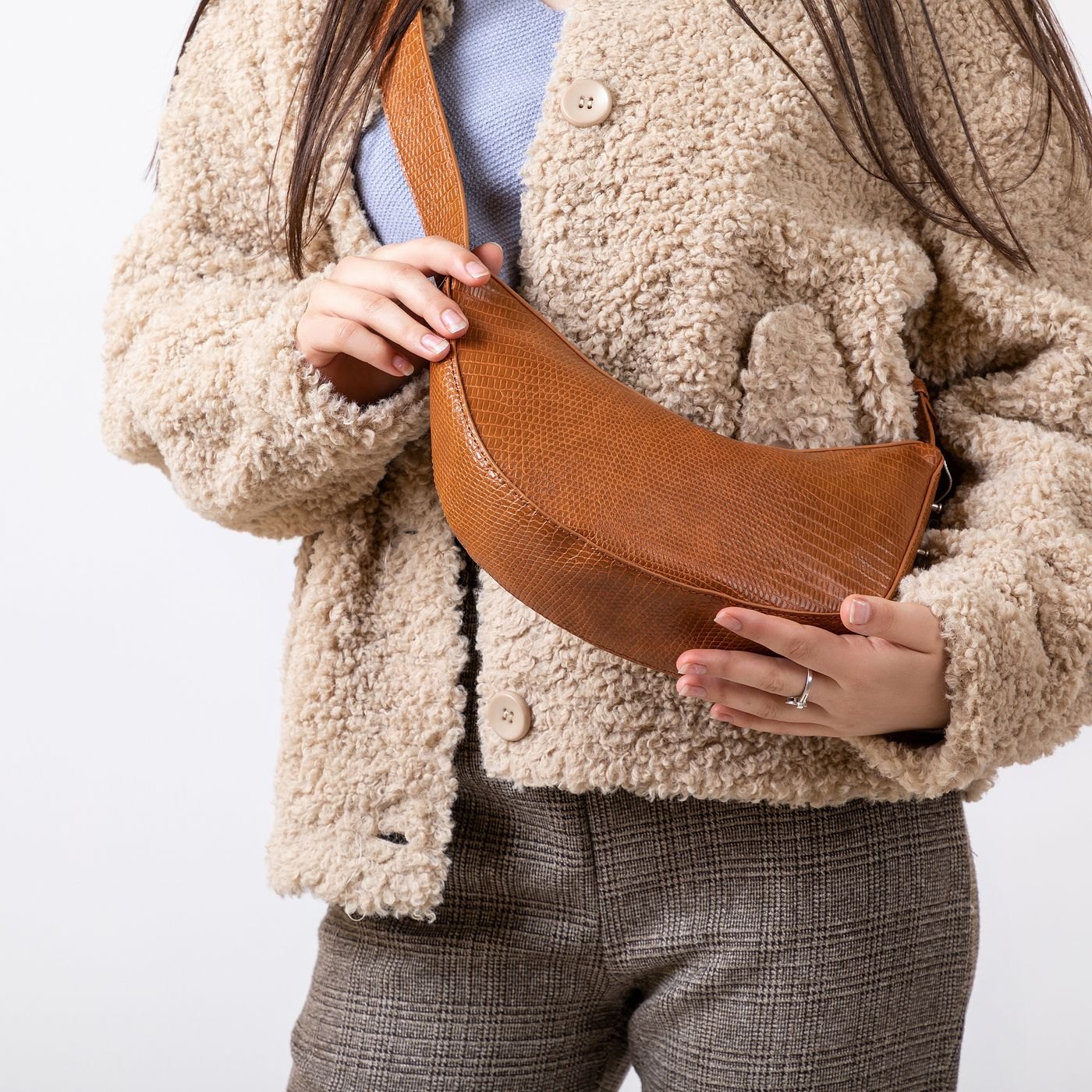
Where a shop permits it, test the bag with representative contents. An empty bag tells you little about how the handle feels after it is loaded. Try the strap over the coat or jacket you wear most often and see whether it stays where you want it without constant adjustment.
Check how you access the bag while wearing it. Can you reach the closure comfortably? Does opening it require putting everything down? A secure fastening can still be inconvenient for a routine that involves frequent access. Choose according to how you move through the day rather than what looks neat on a display shelf.
Look inside with a purpose
Pockets are useful when they fit specific items. Several tiny compartments may not help if your phone does not fit any of them. A light lining can make small objects easier to see; a removable pouch can group loose pieces in a simpler bag. Neither feature is mandatory, but each should solve a problem you actually have.
Consider the bag's own weight, the care instructions and the surfaces it will meet. A delicate finish may suit some days but demand more attention on a crowded commute. Ask the maker about unfamiliar materials instead of applying a product intended for another finish.
Give the choice a clear job
An everyday bag does not need to work for every invitation and every journey. Define the days it covers and accept that an occasional different task may call for another option. Trying to fit a laptop, weekend clothes and a dinner outfit into one ideal bag can make the ordinary version unnecessarily large.
After choosing, review the contents once in a while. Even a well-designed bag becomes difficult to use when it accumulates objects without a reason. Its usefulness comes from the relationship between the bag and what you carry, not from the number of pockets listed in its description.