Decide which lunch you are preparing
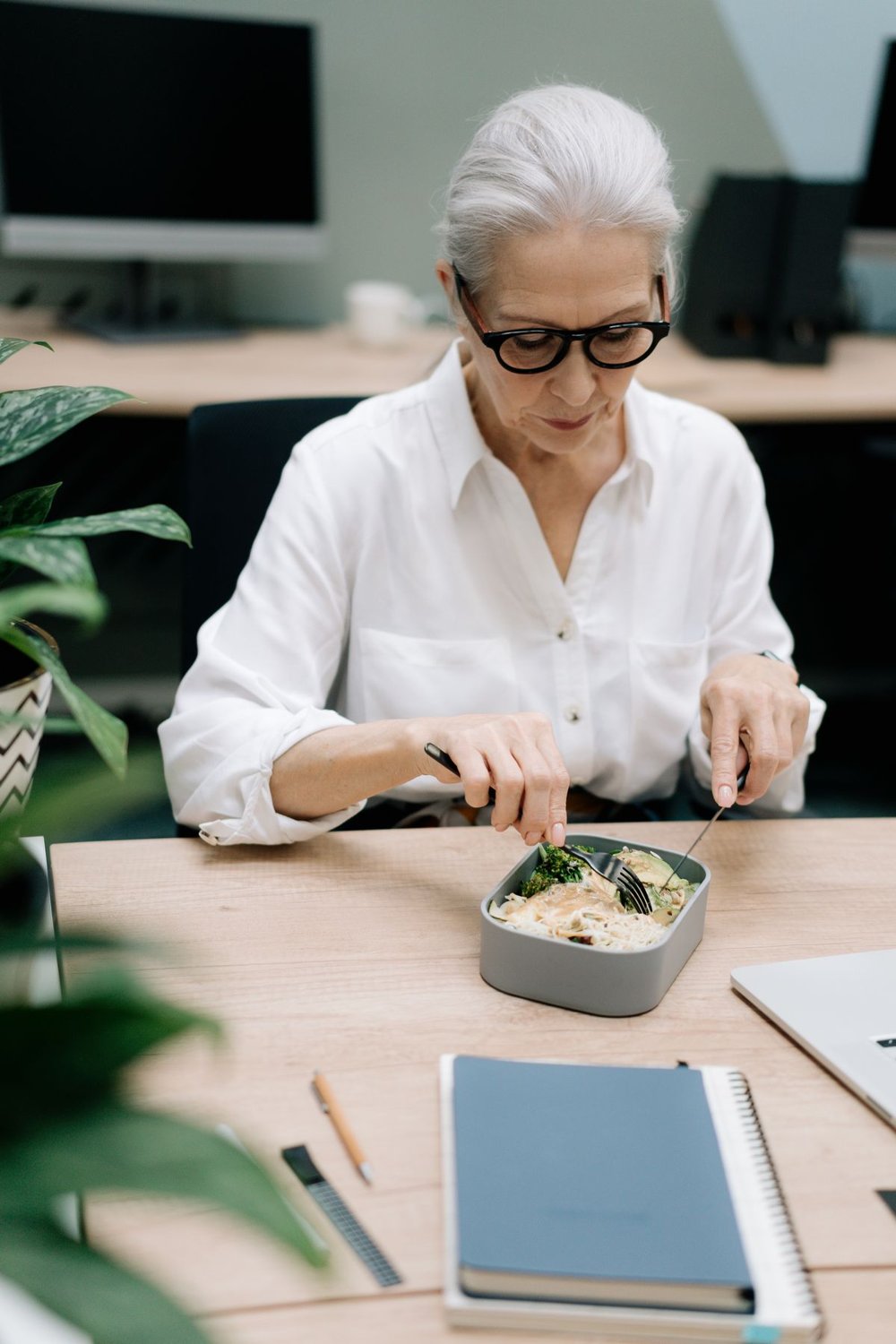
A workday lunch can be leftovers, something assembled in the morning or a meal bought near work. Choose the version for the next day before you begin filling containers. An uncertain plan is what often leaves several half-prepared ingredients in the fridge and no complete lunch ready to go.
Look at the facilities available where you will eat. Is there a refrigerator, a microwave and a place to wash a container? Can you take a proper break away from the desk? The answer changes what is convenient to bring. Do not pack a meal that depends on reheating if you will have no suitable way to do it.
Match the container to the meal
Try the empty container in your bag first. A wide box that is pleasant to eat from may not fit upright beside a laptop. A small round pot might hold one part of the meal but require several others. Think about the complete collection rather than buying a container because it looks tidy on a kitchen shelf.
Check that lids close securely and use food containers intended for the purpose. Follow their instructions for heating, cleaning and any restrictions. Keep dressings or other liquids separate if that helps the food travel well. Add the cutlery you will actually need rather than assuming it will be available at work.
Keep food safety part of the journey
Follow official food-safety guidance for the foods you pack, including chilling, storage and reheating where relevant. The USDA recommends an insulated bag with at least two cold sources for perishable packed lunches. Put perishable food in a suitable refrigerator on arrival if one is available. A neat container does not replace appropriate temperature control.
If the journey or working conditions make safe storage difficult, choose a lunch that suits those conditions or buy food when you need it. Avoid making a complicated meal fit a day that cannot support it. Take particular care with any dietary or allergy requirements and keep the food information you need.
Give the morning one collection point
Pack what you can in advance under appropriate storage conditions, then create a reminder for anything that must stay chilled until departure. A note beside your keys may be more useful than placing the food out early. Keep the empty lunch bag and cutlery where you can collect them in one movement.
For example, you might prepare the container the evening before, leave it refrigerated and put the lunch bag beside your work bag. In the morning, the remaining task is to transfer it with the appropriate cooling pack. The system should make the safe option easy to remember.
Plan the return trip too
Decide where the used container will go after lunch. A separate bag or compartment can keep it away from papers and clothing. Follow food-safety advice for any leftovers rather than carrying them around indefinitely because throwing them away feels wasteful.
At home, empty and wash the container as its instructions allow. Repacking becomes easier when yesterday's box is already clean. If you repeatedly skip a particular lunch, ask whether the portion, texture or effort is the problem. Change that part instead of buying another container. A workday lunch works when it fits the whole day, from the first refrigerator door opening to the washing up afterwards.