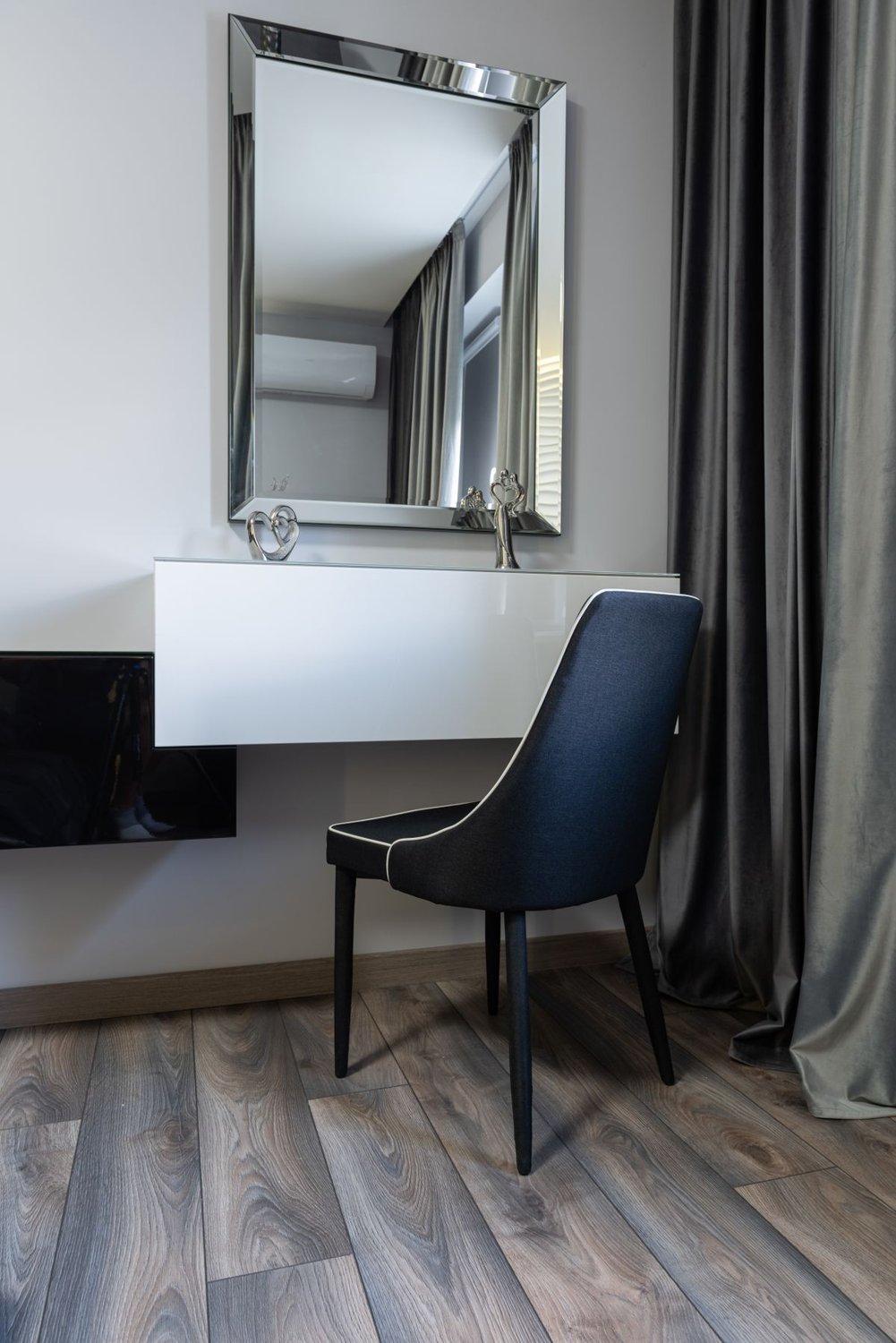
Notice the repeated delay
Most slow mornings have a particular sticking point. The keys are somewhere in yesterday's bag, the clean shirt needs attention or breakfast depends on a last-minute decision. For a few days, notice where you stop moving. You do not need to time every task; simply name the interruption that keeps returning.
Choose one of those interruptions to deal with first. Adding a journal, a long skincare sequence and a carefully arranged breakfast to an already crowded hour may create more work. The aim is to leave enough room for ordinary things to take their ordinary amount of time.
Leave a decision ready
An outfit can be ready without being laid out across a chair. Hang the main pieces together, check that they are clean and place the shoes nearby. Include the layer you will need outside. If the weather is uncertain, choose two workable options rather than attempting to predict the whole day the night before.
Make breakfast similarly straightforward. Put the bowl or mug within reach and check that the food you intend to eat is actually available. This is preparation, not a requirement to eat the same thing every day. Keeping two or three familiar options can leave room for preference without starting from an empty list each morning.
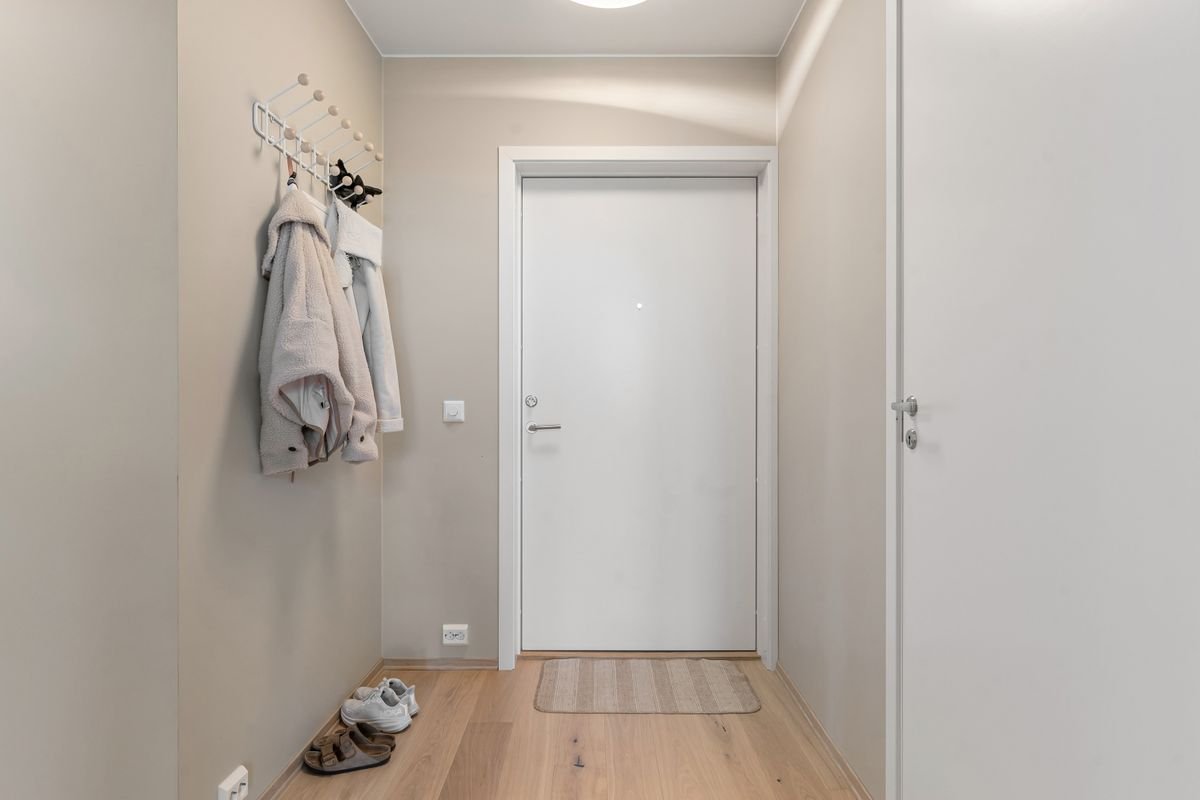
Give the objects you take out a single landing place. A tray near the door can hold keys, but it will not help if it becomes a storage spot for post, receipts and loose chargers. Keep it small enough that its purpose stays obvious. Return the essentials there when you arrive home, while they are still in your hand.
Protect a little unassigned time
A schedule that accounts for every minute has nowhere to put a missing sock or a kettle that needs filling. Work backwards from the time you must leave, then leave a small margin between getting ready and walking out. The margin may be five minutes. It does not need to become another activity.
If other people share the bathroom or kitchen, agree on the point where your routines clash. Moving one task can be more effective than asking everyone to hurry. A bag packed in the evening, for example, leaves the hallway available when several people need their coats at once.
Keep the useful part
After a week, notice what you actually maintained. If a fully planned outfit felt restrictive but finding your shoes was helpful, keep the shoe habit. If the tray collected clutter, change its location or reduce what belongs there. A routine earns its place by helping, not by looking complete on paper.
Some mornings will still be hurried. A late night, a changed appointment or an unexpected call can undo careful preparation. Keep the fallback modest: get dressed, eat what is available and take the things you need. A slower start is a direction to work towards, not another standard to miss.