Count the working places
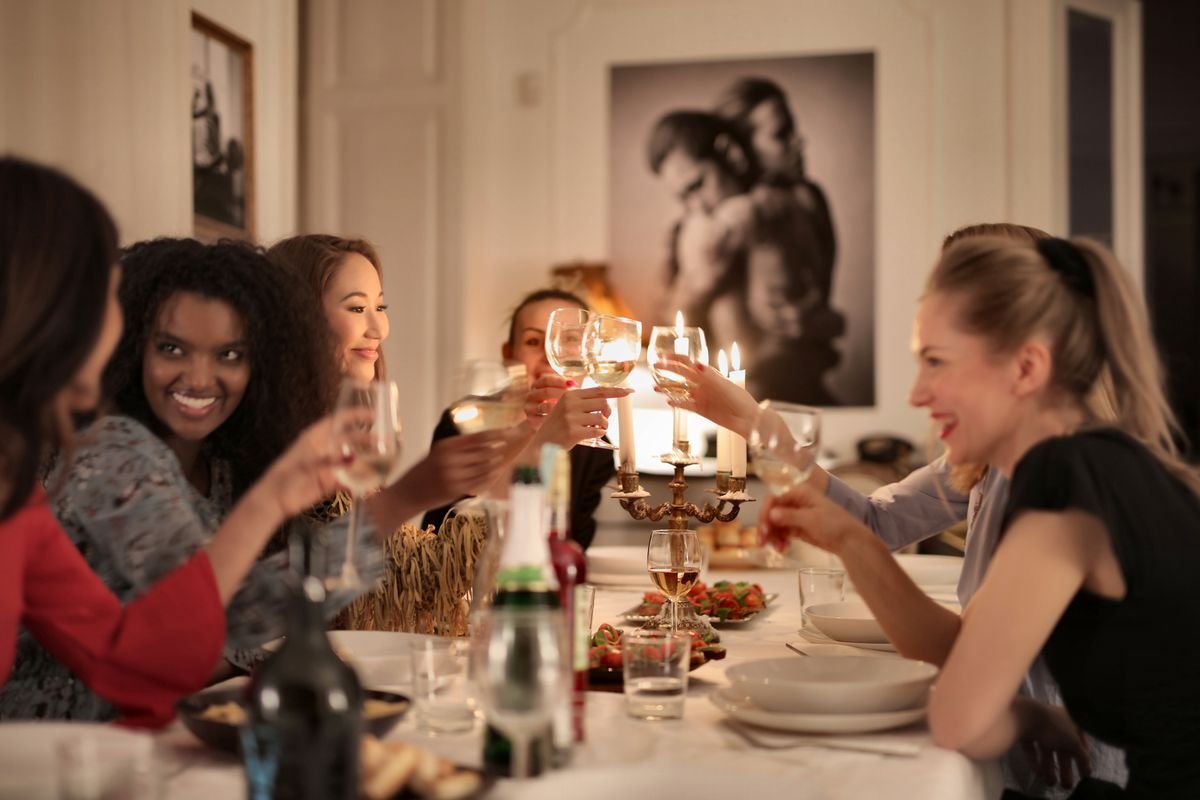
Set out one place for each person before thinking about decoration. Use the plates, glasses and cutlery that the meal actually needs. A casual supper does not need extra pieces simply because a formal table photograph includes them. Check that chairs fit comfortably and that everyone can reach the table.
Put the serving dishes down empty as a rehearsal. A large bowl in the centre can reveal that there is no room for a tall vase or several candles. Make those decisions while the food is still elsewhere, rather than rearranging the table with hot dishes in your hands.
Use a common detail
Mixed plates can look intentional when something connects them: a similar size, a shared pale colour or the same kind of napkin. You do not need a full matching service. If some pieces are patterned, let a plainer cloth or bare table give them space.
Choose the pieces that are comfortable to use. A beautiful glass that tips easily or a plate too small for the meal creates more work than a modest familiar one. Check for chips and use tableware suitable for its intended purpose. Presentation should not make eating awkward.
Keep the centre low and useful
If you want flowers, choose a height that allows people to see one another. A small arrangement can sit between dishes; a large bunch may be better on a side table. There is no obligation to place decoration in the centre at all. Bread, water and the food itself can give the table enough interest.
If using candles, follow safe placement and burning instructions, keeping them away from anything flammable and never leaving them unattended. An ordinary lamp can provide atmosphere without adding another thing to monitor during dinner. Use the option that lets you remain present with your guests.
Set up the things that move
Think about water refills, spare cutlery and where empty serving dishes will go. A clear nearby surface is valuable, even if it is just part of a kitchen counter. Put a cloth or suitable protection where a warm dish may be set down. Check what your table surface can tolerate rather than assuming it can take every serving vessel directly.
Ask about dietary needs before planning food, and keep the meal manageable within what you can prepare confidently. The table arrangement should support that meal instead of dictating a more complicated menu.
Sit down before guests arrive
Try a place yourself. Are your knees comfortable? Can you pick up the glass without reaching around flowers? Is the light pleasant enough to see the food? These small checks are more useful than photographing the table from above.
Once it works, stop adding things. The guests will bring coats, conversation and movement into the room. Leave the table enough space to become a place where people spend an evening, rather than a composition that must remain untouched.