Watch one arrival
Come home as you normally do and notice where things land. Keys may reach the kitchen because there is nowhere to put them at the door. A bag may sit on the floor because the existing hook is too small or already occupied. These are useful clues, not evidence that you need more willpower.
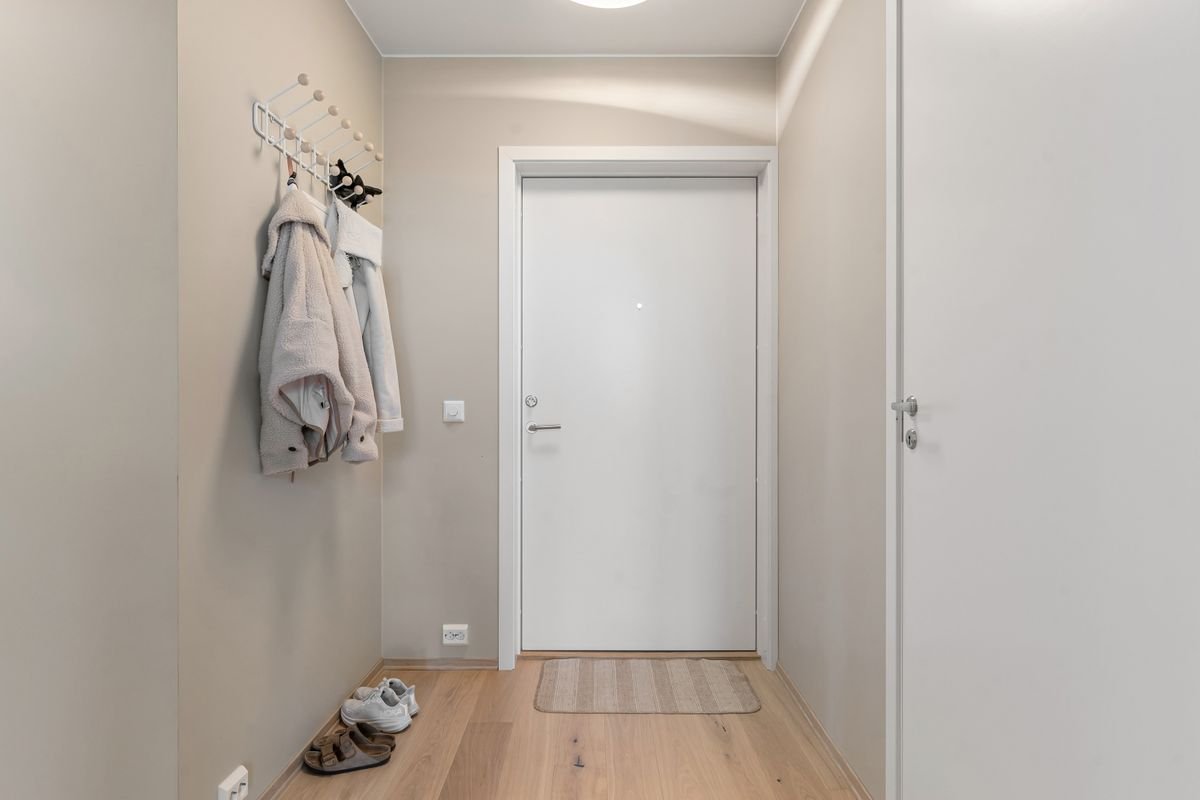
Begin with the items you carry most days. Give them a place within easy reach without narrowing the route through the entrance. The door must open freely, and anyone passing through should not have to step over a basket or move a chair.
Match the storage to the object
A small dish can hold keys, but it may be a poor place for a heavy bag. A hook can take a coat if it is properly installed and rated for the load; it is not automatically suitable for a full collection of bags. Check the wall, fixing and product instructions before adding anything mounted.
Use existing furniture to test a position first. Put a temporary tray on a nearby surface and see whether you actually use it. If you keep walking past, the location may be wrong. Buying a more attractive tray in the same place will not necessarily change the habit.
Keep outgoing items separate
Returns, library books and a parcel can collect beside the everyday keys until the entrance becomes a waiting room for errands. Give those temporary items a small, distinct area and connect them to a plan. A bag marked for the next outing is clearer than a loose pile that nobody can interpret.
Do not let the temporary area expand indefinitely. If an object has been there for weeks, decide what prevents it from leaving. It may need packaging, an address or a specific journey. Complete that next action instead of repeatedly tidying around it.
Allow for weather
Wet coats, umbrellas and muddy shoes need different handling from dry bags. Use suitable storage that protects the floor and lets items dry as their care instructions require. Avoid crowding damp fabric against things that must remain clean. A small entrance may need a nearby alternative rather than forcing every function into the same corner.
Think about who uses the space. A hook placed at one person's convenient height may be unreachable for another. Shared storage works better when everyone can see and use their own position without lifting someone else's belongings out first.
Reset the surface, not the whole house
At the end of the day, remove anything that does not belong in the entrance. This should take little time if the permanent collection is small. Put the next day's bag where it is easy to collect and check that the route remains clear.
Leave some empty space. The entrance will occasionally receive shopping, a visitor's coat or a delivery. Designing it with no spare capacity means every ordinary arrival becomes a problem. A useful hallway makes coming and going easier; it does not have to display a complete account of the household.