Ask the questions that affect the stay
Before the visit, confirm arrival and departure plans and ask about needs that will affect sleeping or food. Keep the conversation direct and modest. You do not need to guess a guest's preferences from past visits or create an elaborate hotel service in your home.
Explain the sleeping arrangement honestly. A sofa bed in a shared room is different from a separate bedroom, and knowing that helps the guest pack and plan. If there are stairs, pets or other relevant household details, mention them early enough to be useful.
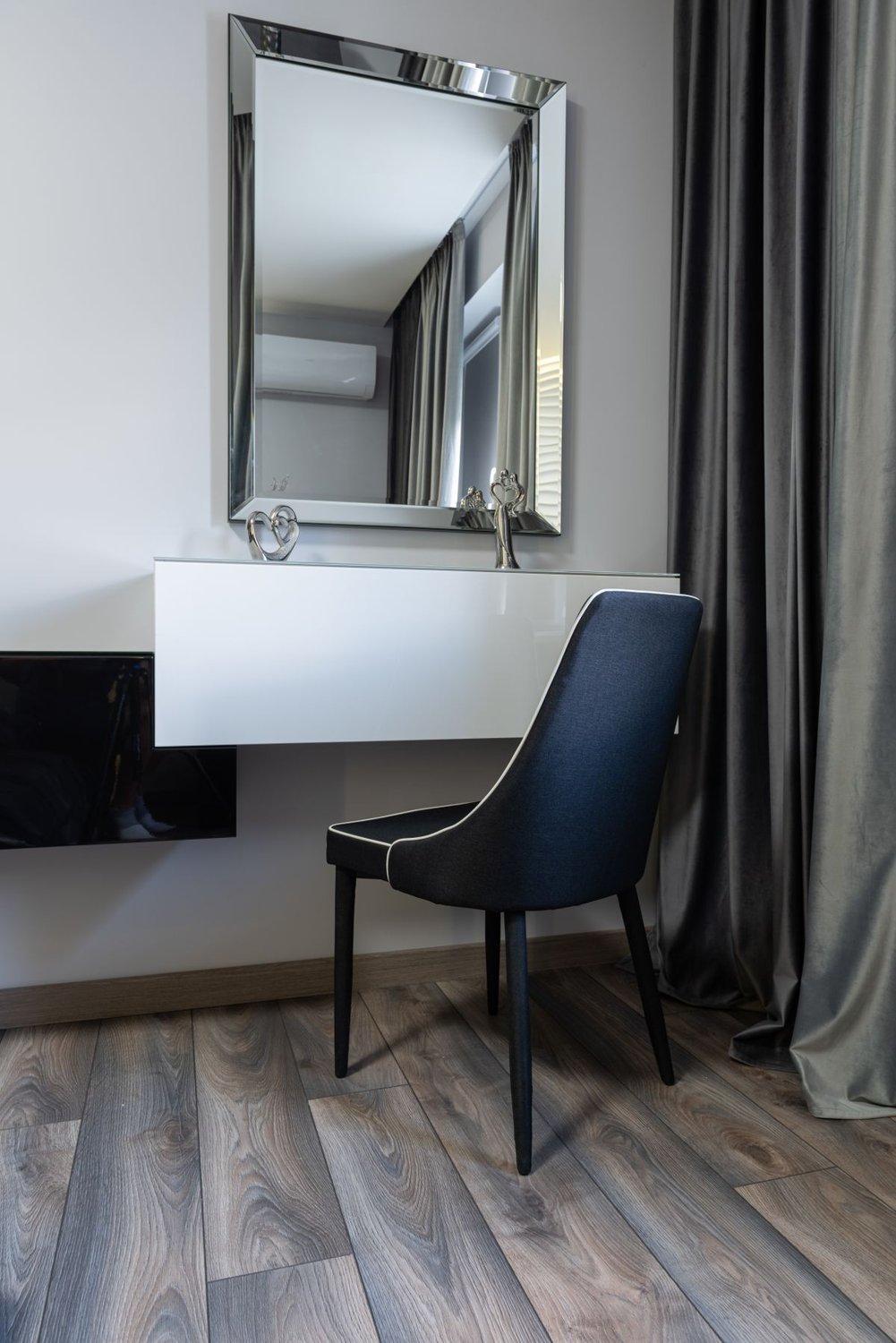
Clear usable space
Give the guest somewhere to put a bag without blocking a doorway. Clear a small surface for glasses, a phone or a book. If there is hanging space, remove enough of your own things that it can actually be used. An empty hanger on a packed rail is not much help.
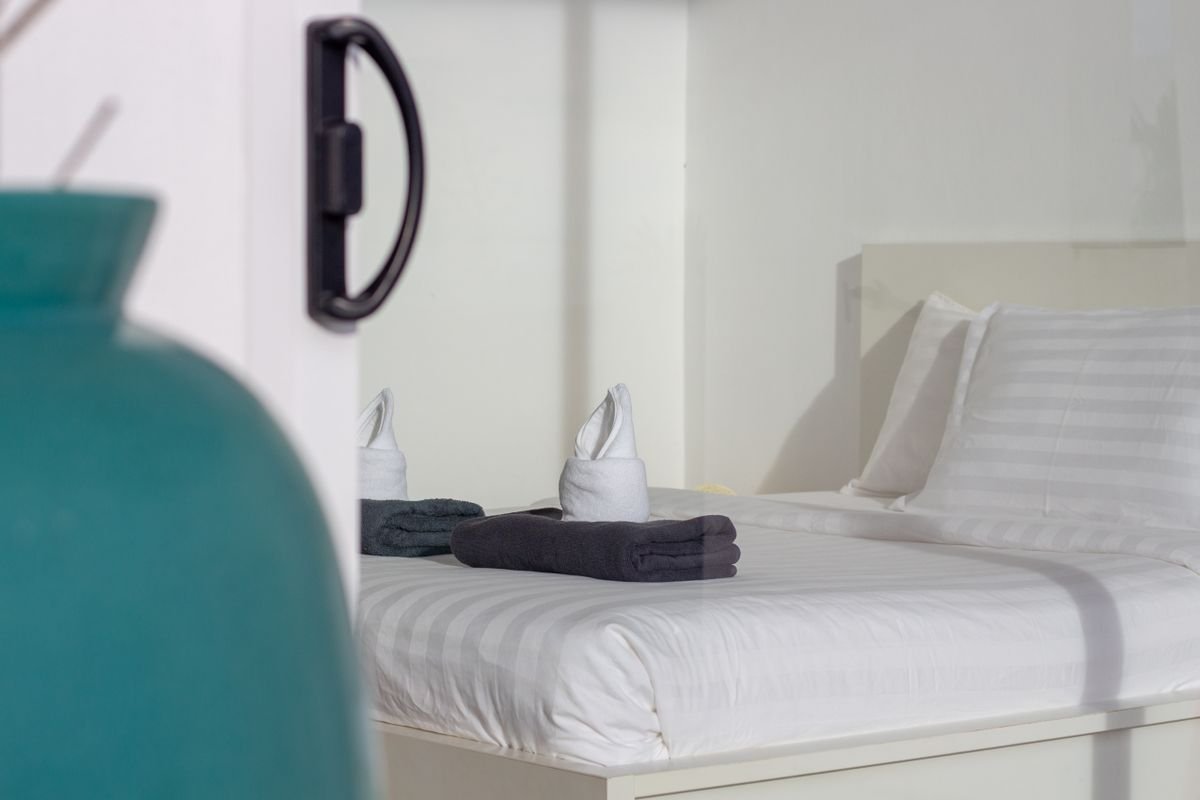
Prepare clean bedding and a suitable towel, following their care instructions. Check the bed or sofa bed by setting it up fully before the guest arrives. Find any missing part or awkward mechanism while you have time to deal with it. If the sleeping space serves another purpose during the day, explain how that change will work.
Show the night-time essentials
Point out the bathroom, light switches and the route between them. A lamp within reach of the bed is useful if available and safely positioned. Let the guest know about any unusual door latch or tap rather than leaving it as a late-night puzzle.
If they need to charge a device, show a suitable accessible socket. They should use appropriate compatible equipment and follow its instructions. Do not improvise a tangle of extension leads to make the bedside surface look complete. A safe charging place elsewhere in the room may be simpler.
Make the bathroom understandable
Tell the guest which towel is theirs and where used towels should go. Leave room for a small toiletry bag. You can offer unopened basic supplies if you have them, but do not assume they will want to use your personal products or tools.
In a household with one bathroom, mention the morning pattern. A brief conversation about when people need to leave can prevent awkward rushing. The same applies to hot water or any relevant limitation: clear information is kinder than hoping nobody notices a constraint.
Explain the ordinary morning
Say whether breakfast is planned and what is available. Ask about dietary needs before buying food and avoid guessing. A simple breakfast that fits the household can be more comfortable than an elaborate spread that requires everyone to assemble at a precise time.
Let the guest know whether they can make tea or coffee and where the necessary items are. If a machine is unfamiliar, show them how you use it or offer to make the first drink. Keep instructions brief enough to remember. You are helping them feel at ease, not giving a tour of every cupboard.
Leave room for privacy
An overnight visit can include time apart. Tell the guest when you will be working or doing household tasks, and ask what they have planned. There is no need to fill every hour because they are staying under your roof. A clear plan for meeting again can make independent time feel natural.
Before bedtime, check whether they have what they need, then let the room belong to them for the night. In the morning, explain what would help with bedding or towels if they ask; do not expect them to infer your preferred routine. The most useful preparation is often a clear surface, a comfortable place to sleep and information offered before it becomes a question.