Walk through the evening
Wait until the room is being used under its normal evening conditions. Turn on the lights as you usually would and notice the activities taking place. Someone may be reading, another person watching television, and a third passing through to the kitchen. A single bright ceiling light does not necessarily serve all those activities equally well.
Look for the specific difficulty. Is a chair too dark for reading? Does a bulb reflect in a screen? Is the route to the door hard to see? Naming the problem is more useful than deciding that the whole room needs warmer or more atmospheric lighting. It gives you a small change to test.
Switch one lamp on at a time
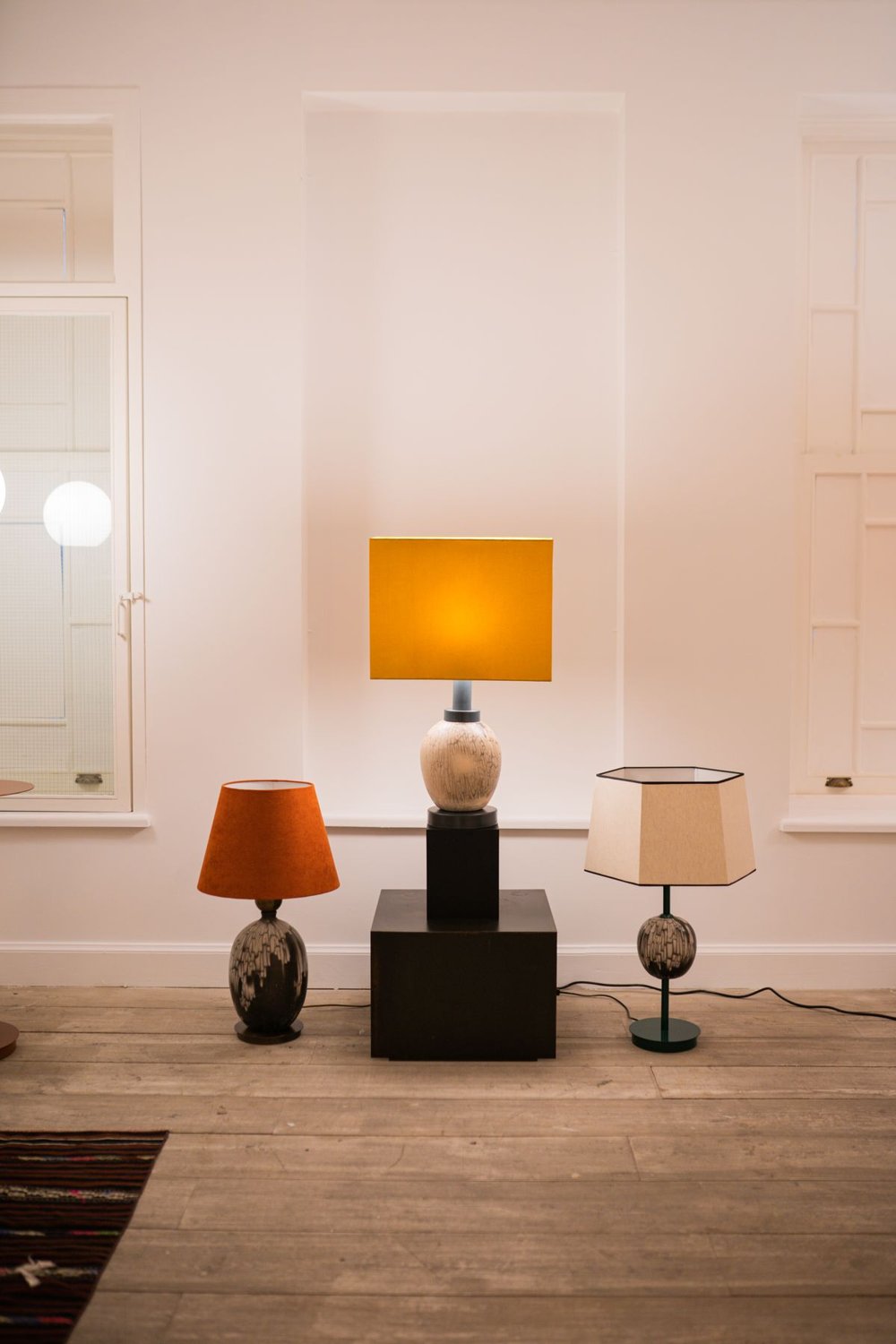
With the room otherwise safely lit enough to move around, look at what each lamp contributes. A shaded table lamp may illuminate a small circle and leave the nearby shelf dark. An uplighter may brighten a wall without helping someone read. A decorative lamp can be enjoyable even when it has little task value, but it helps to know which job it is doing.
Take a photograph for your own comparison if useful, recognising that a phone may automatically brighten dark areas. Your view while sitting in the room is the important test. Check from the chair, sofa and doorway rather than only standing beside the switch.
Before moving a lamp, switch it off and follow its handling instructions. Check cable length and a suitable socket position. Do not create a trailing lead through a walkway to achieve a pleasing arrangement. If the useful location requires electrical work, get an appropriately qualified person to assess it.
Move the light towards the task
For reading, try a position that lights the page without putting the bulb in your direct line of sight. For a table used for writing, see whether your hand casts a shadow over the work. The best placement depends on the lamp and the way you sit; a photograph of another room cannot settle it.
For example, a small lamp at the far end of a sofa may add general light but leave the person at the opposite end struggling to read. Moving that lamp closer to the reading seat could solve the immediate problem. It may also reveal that another part of the room still needs a separate light for a different purpose.
Check the shade as well as the bulb. A dark, dense shade and a pale translucent one distribute light differently. Use only components and bulbs compatible with the fitting and within its stated limits. Avoid improvising with fabric, paper or an unsuitable bulb to modify the effect.
Reduce the conflict between lights
Once individual lamps make sense, turn them on in combinations. You may find that two small sources suit an ordinary evening while the ceiling light is useful for cleaning or a larger gathering. There is no requirement to use every light at once.
If colours seem inconsistent, check the bulb specifications before replacing anything. Compare the actual light in the room and choose compatible options where that matters to you. A bedside lamp and a work lamp can have different roles without needing to produce identical effects across the whole home.
Consider switch access. A lamp that must be reached behind a heavy sofa is unlikely to become part of an easy routine. Make the useful arrangement convenient to operate, using only suitable equipment as directed. The final test is whether the room works for the activities in it. A decorative effect is welcome, but it should not require people to read in shadow or navigate around cables.