Read the instructions for this sponge
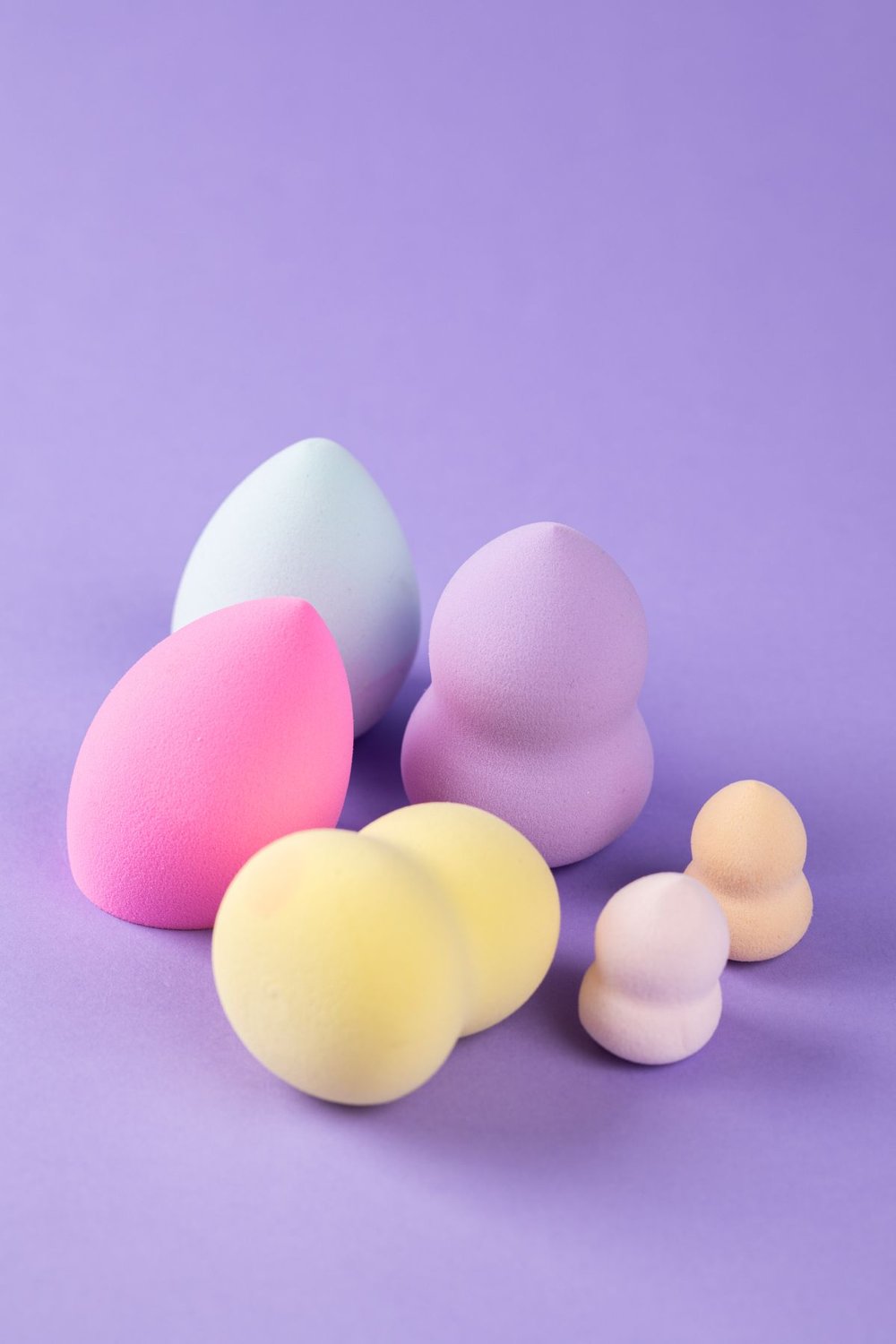
Makeup sponges come in different materials and shapes, and their care directions can differ. Keep the manufacturer's instructions when you open a new one. They should tell you how to clean it, whether it is intended to be dampened for application and when to replace it. Do not treat a sponge bought for one purpose as interchangeable with every other applicator.
If you cannot identify an old sponge or remember its history, a new storage box does not resolve that uncertainty. Start with tools you can care for properly rather than building a collection of mystery spares at the bottom of the bag.
Put cleaning into the routine
The American Academy of Dermatology describes cleaning reusable makeup sponges with water and a mild cleanser, rinsing them thoroughly and allowing them to air-dry on a clean paper towel. Follow the specific care directions for your sponge too. Avoid tearing at it or using an improvised harsh cleaner in an attempt to restore its original colour.
Prepare the clean drying surface before washing. That small step stops you reaching for the nearest used towel afterwards. Wash your hands and keep the area free of loose powder or other products that could transfer back onto the sponge.
A stain and an unclean tool are not questions to settle through appearance alone. Follow the cleaning and replacement guidance rather than keeping an applicator indefinitely because its colour seems acceptable. If it is damaged or deteriorating, retire it instead of using its remaining pieces for smaller areas.
Leave the case open until the tool is dry
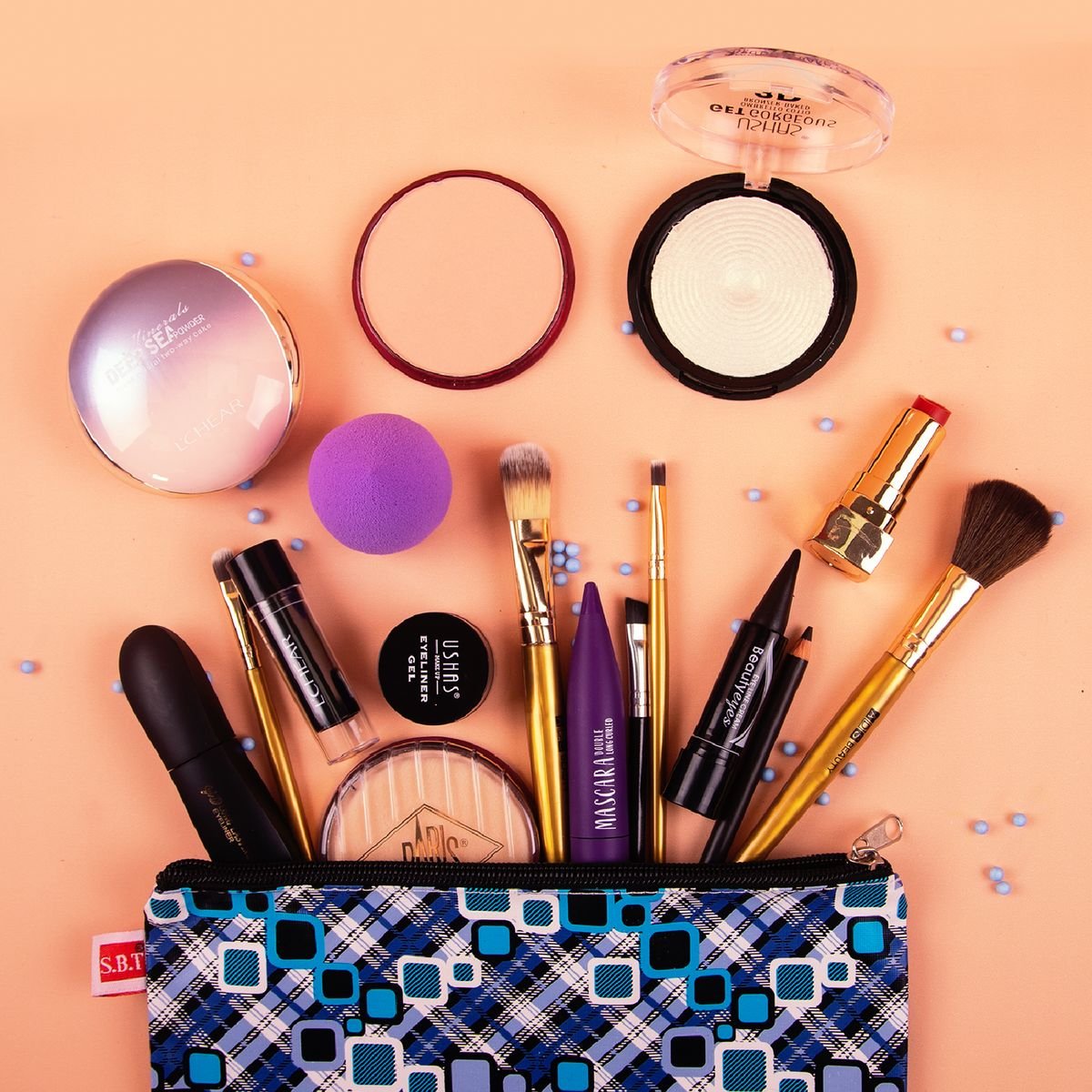
A travel case has a different job from a drying area. Putting a wet sponge into a closed makeup pouch because the surface looks tidy simply moves the unfinished task out of sight. Give it an undisturbed place to dry, away from splashes, dust and anyone else's used tools.
Think about the morning arrangement. If you pack your bag immediately after makeup, it may be easier to use a different applicator for travel or leave the sponge at home to dry. Do not assume that a decorative holder is suitable for every stage of use. Check the design and the maker's guidance.
Keep one person's tools together
Make the sponge easy to identify in a shared bathroom. A separate labelled storage place is clearer than relying on two similar colours. The AAD advises against sharing makeup and applicators that contact skin. You can share counter space without sharing the tools themselves.
When you next edit the makeup bag, include the sponge in the decision. Is it still in good condition, and can you keep up with its care? You may find that a simpler application method suits your day better. Owning fewer tools is a reasonable choice when each one has a cleaner, more manageable place in the routine.