Record the opening, not a guess
A jar can spend months unopened in a cupboard before joining the daily routine. Once you open it, write down that date. A small label on the container or a note in your phone can work, provided you can connect it unmistakably to the product. Include the full name if several bottles look similar.
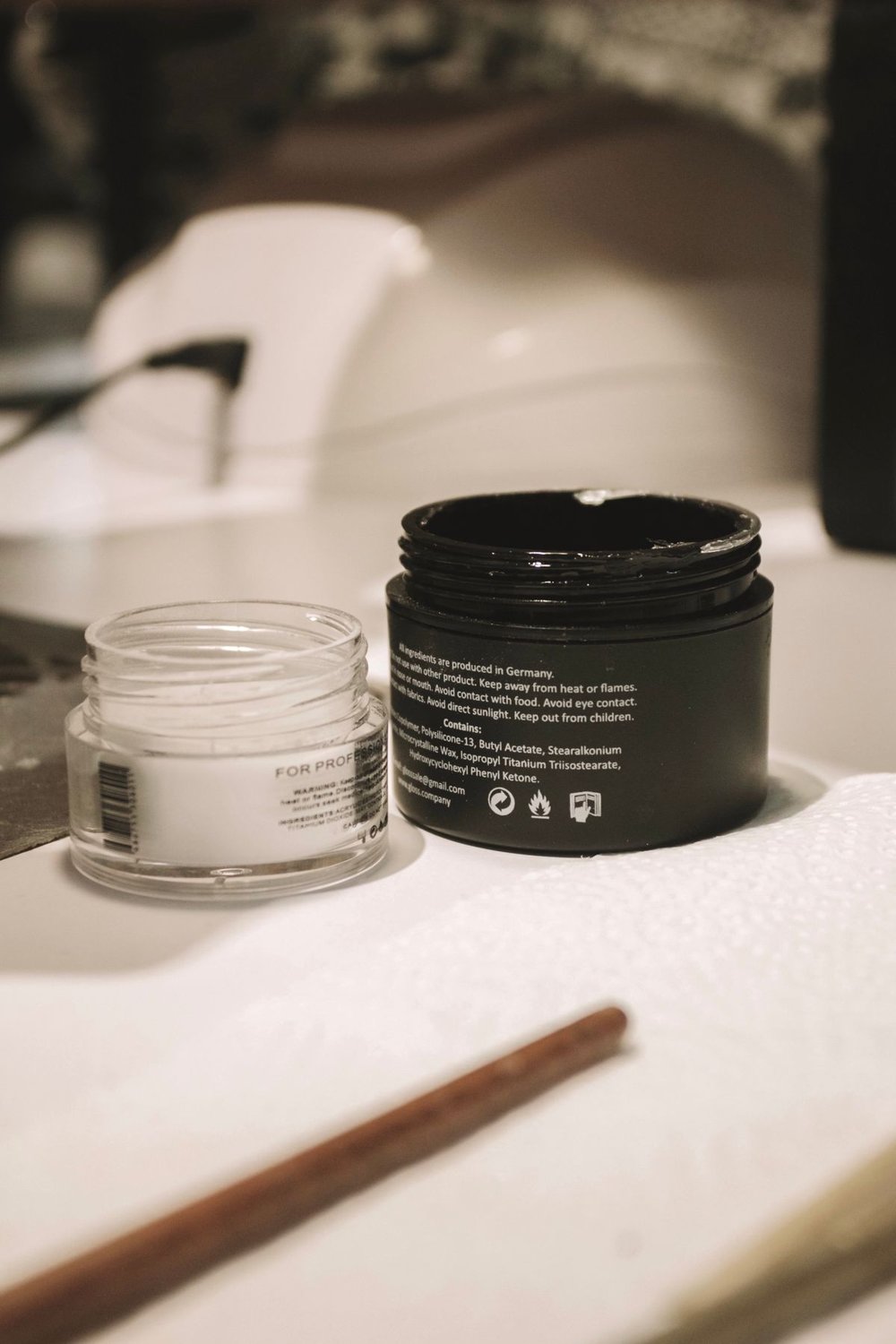
Keep the original information visible. Do not cover an ingredient list, warning, batch code or printed expiry date with your label. If the packaging is too small, photograph it and add the opening date to a clearly named note. The system only needs to be simple enough that you will use it again.
Distinguish the markings
A printed expiry date and an opening-date reminder are not the same thing. Some cosmetics carry an open-jar symbol with a number followed by M, indicating a period after opening. Follow the product's directions and any printed expiry information. The FDA explains that shelf life varies by product and conditions of use and storage; an arbitrary date chosen for the whole makeup drawer is not a substitute.
Products regulated differently, such as sunscreen in the United States, can have different requirements. Keep their original instructions and expiry information rather than treating every tube as ordinary colour cosmetics. If a label is unclear, ask the manufacturer using the exact product details.
Avoid opening several backups
A sale can leave you with more products than you will use. Keep unopened backups separate from the active routine and resist opening each one merely to compare it. A row of partly used jars is harder to track than one product in use and one still sealed.
When buying a replacement, look at what is already waiting. A simple note saying unopened spare at home can prevent an unnecessary purchase. You do not need an elaborate spreadsheet unless that suits you; the useful information is what you have, what is open and what the instructions say.
Review the product, not just the label
A recorded date does not guarantee that something remains suitable to use. The FDA notes that storage and contamination affect cosmetics. Changes in smell, texture or appearance should not be ignored because your reminder is still weeks away. Follow manufacturer advice and stop using a product that causes a problem rather than trying to finish it for the sake of avoiding waste.
Keep lids secure and store items according to their directions. A pouch left in a hot car is a different environment from a cupboard at home. If you are uncertain about a product's condition, contact the maker or replace it rather than adding ingredients to revive it.
Make the note usable six months later
A phone entry that says new cream is difficult to interpret after several purchases. Use the product name, size or another identifying detail, and write opened rather than simply adding a date. A photograph of the front and the relevant label can connect the record to the object even if the packaging design later changes.
For example, an entry could read hand cream, blue tube, opened 12 October, with the manufacturer information photographed beside it. This is a record format, not a suggested lifespan. Any reminder should follow the information for that product and should not override a printed expiry date or a change in its condition.
When the product leaves the collection, remove or archive its note. Otherwise the record gradually fills with things you no longer own, making it harder to find the few that matter. Keep the system close to the moment of opening and finishing rather than expecting yourself to perform a large audit from memory.
Make the next check small
When you open something new, check the item it replaces. Remove the empty or retired container so the two do not become confused. This creates a natural moment to keep the collection accurate. The date is there to support a decision, not to turn the dressing table into another administrative project.