Choose an area rather than a diagram
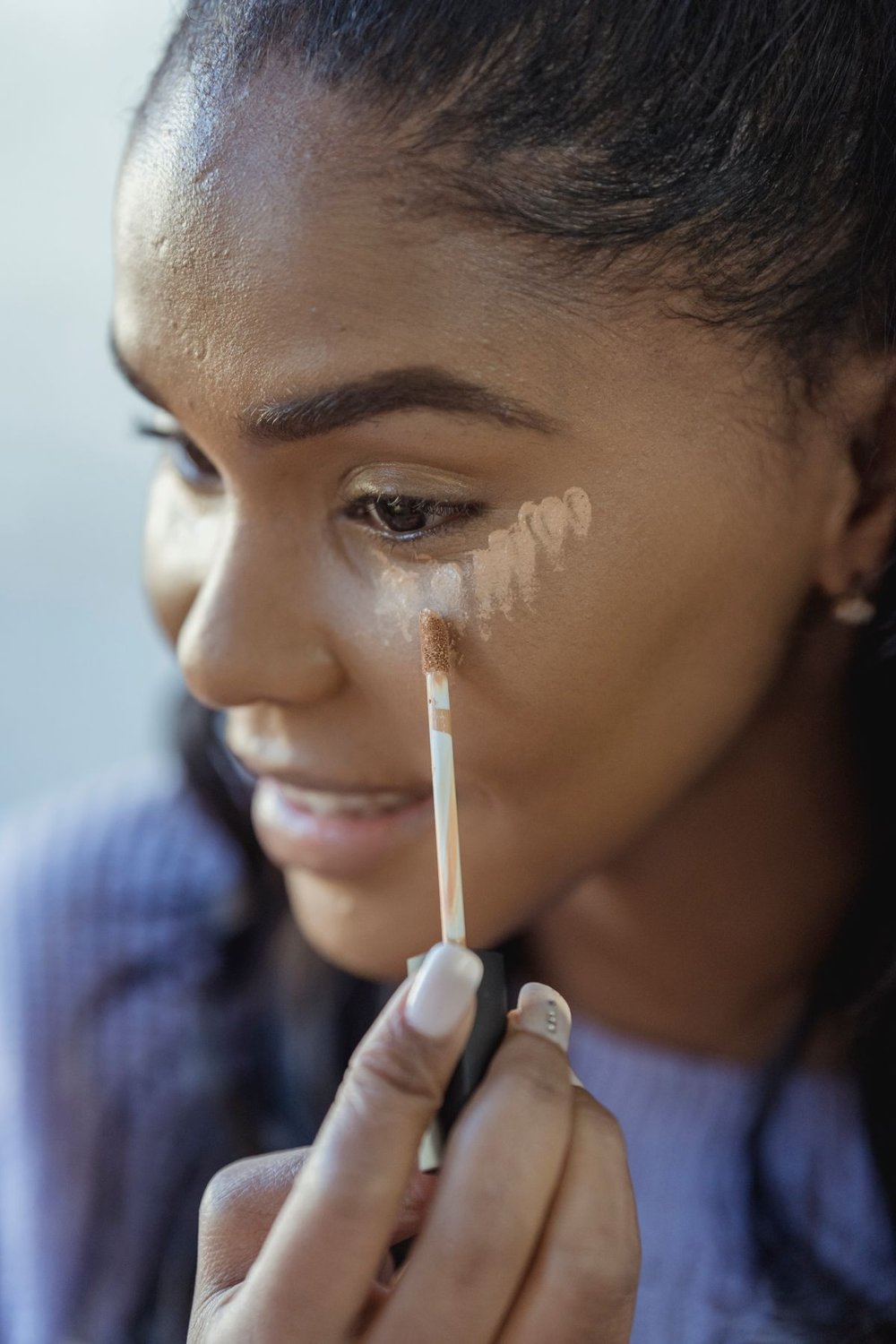
A face chart can suggest where concealer is often applied, but it cannot decide what you want to cover. Look at your face in comfortable, even light and choose one small area. It may be beside the nose or beneath part of an eye. You do not have to copy a large triangle simply because it appears in a tutorial.
If you wear foundation, see what its coverage already does before adding concealer. Sometimes the second product is needed in only a few places. Using less can also make it easier to adjust the texture without repeatedly removing and reapplying the entire base.
Start with a small amount
Follow the formula's directions and use a clean applicator or tool. Put down less than you think you will need, then soften the edge into the surrounding skin. Try to keep most of the coverage where you intended it rather than spreading it across a much larger area. A small brush, fingertip or sponge gives a different level of control; choose one you can use comfortably and keep clean.
Wait until you can see the result before adding another layer. More product does not always improve the appearance. It can draw attention to texture or create a patch that differs from the rest of the face. If the colour looks wrong, extra coverage will not make it a better match.
Check with your normal expression
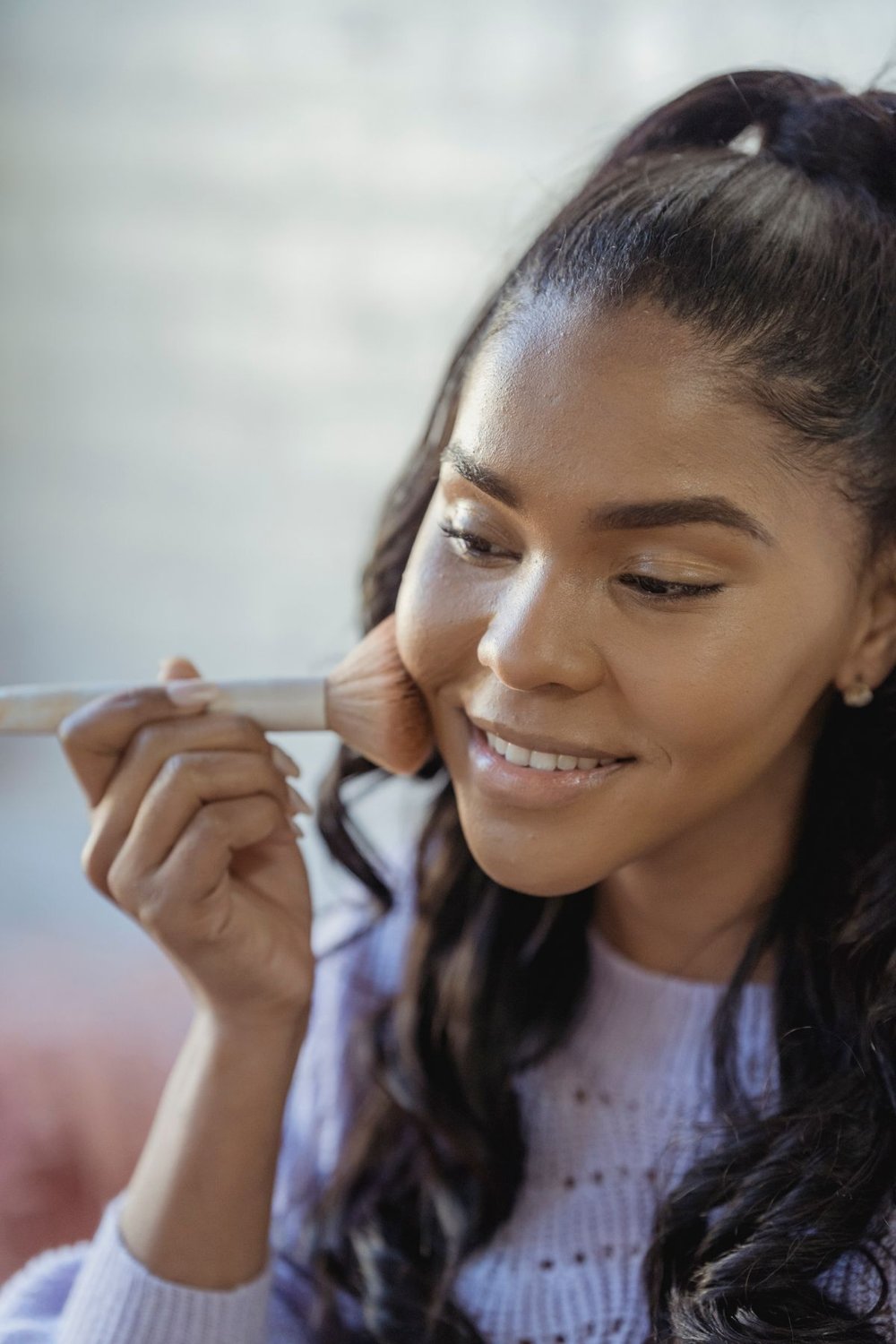
Smile, relax your face and look from the distance at which you would talk to someone. Skin moves, and makeup moves with it. A result that looks reasonable in ordinary light does not need to remain identical in an extreme close-up.
If you use powder, add it only where you want its effect and where it suits the formula. A full layer over every concealed area is not a compulsory final step. Follow product guidance around the eyes and stop using anything that causes irritation. The purpose of the exercise is a chosen amount of coverage, not the removal of every visible variation in your skin.