Write the unfinished question
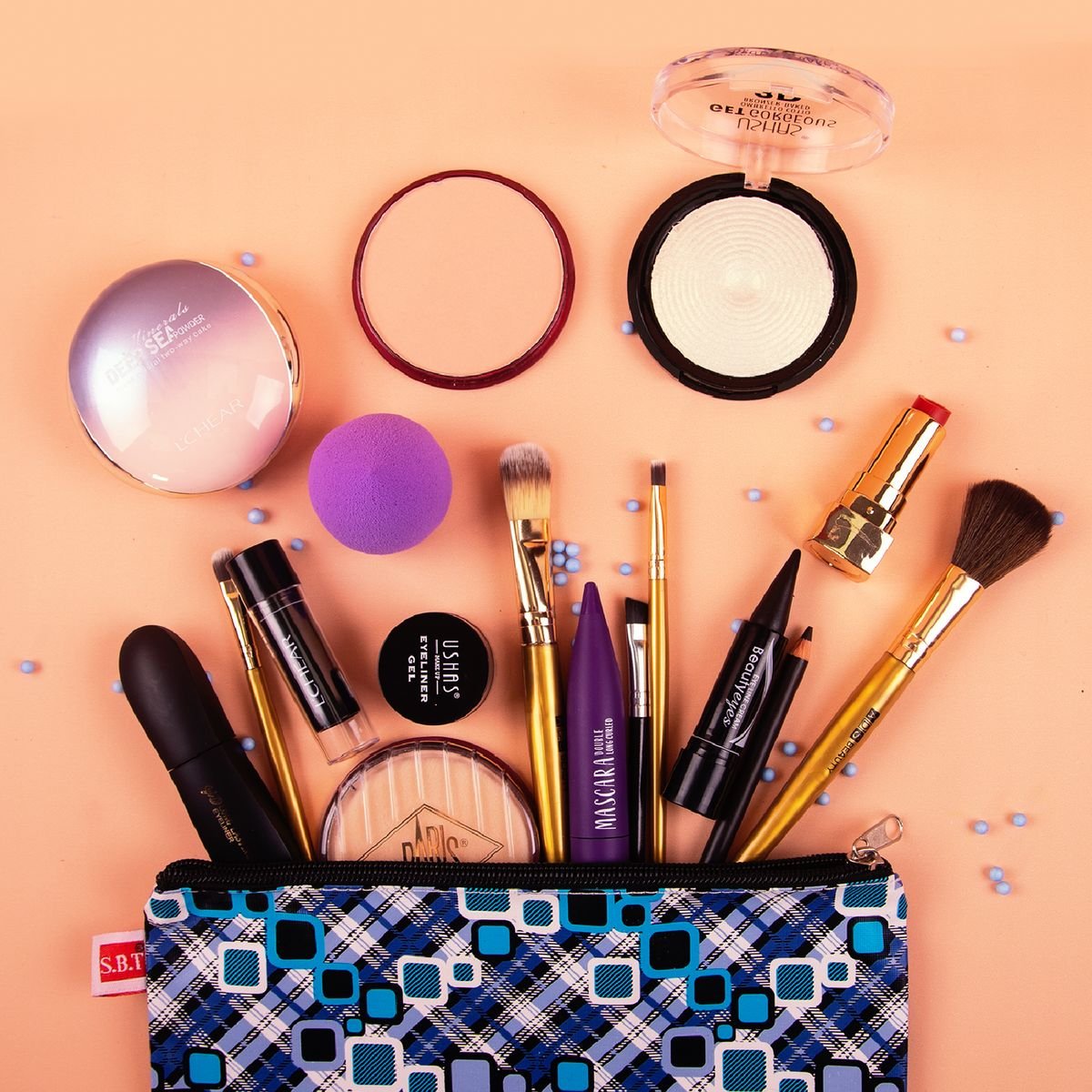
Before buying another beauty product, put the reason into one sentence. Perhaps your current lip colour feels too opaque, your cleanser is inconvenient to pack or a makeup brush is too large for the area you use it on. A specific question gives you something to compare against the description of a new item.
A broad wish to improve the routine can lead in almost any direction. Try turning it into an observable preference: less visible shimmer, a container that closes securely or a texture you can apply without a separate tool. These details do not promise a particular outcome, but they make the search more focused.
Look at what is already open
Check the products in use and the unopened backups. You may already own an item that answers the question, or a similar purchase that you stopped using. Remember why. A formula can be perfectly reasonable and still not suit the way you get ready.
If an old product caused irritation or another problem, do not experiment with it again simply to avoid waste. Follow appropriate advice and the manufacturer's instructions. This edit is about ordinary purchasing decisions, not diagnosing or treating a skin condition.
Distinguish a change from an addition
Ask whether the new item would replace a step or add one. Replacing an awkward product can simplify the routine; adding another layer can make it harder to maintain. Neither is automatically wrong, but the distinction should be deliberate.
For example, a tinted product might replace two things in your routine if it performs the functions you need and is used as directed. A new finishing product might require an extra brush and more cleaning. Read the instructions and consider the full use, rather than treating the small bottle as the only commitment.
Use the available evidence
Look at the product's intended use, ingredients if relevant to you, size and care or storage requirements. Seek a hygienic sample when possible. Reviews can describe other people's experiences, but they cannot establish how a product will feel or behave for you. Be especially cautious about treating promotional before-and-after images as a prediction.
Compare the total cost with the amount you are likely to use. A larger package is not a saving if it spends most of its life unopened or partly used. Check return conditions before purchase, particularly for opened cosmetics, rather than assuming you can test freely and send it back.
Keep the decision narrow
Once you have an answer, avoid adding several related items to complete an imagined system. Try the one change within the familiar routine and give yourself time to notice whether it solves the original problem. If it does not, that is useful feedback about the question or the product.
You can also decide that the question does not need a purchase. Moving a mirror, cleaning a tool or using less of a product may be the adjustment you wanted. The result should be a clearer routine, whether or not a new package arrives.